
Wrist Training
📖 Table of Contents
Wrist training is a critical component of overall physical health and performance, especially in sports and daily activities that rely on hand strength and dexterity. Whether you're an athlete, a manual laborer, or someone recovering from an injury, proper wrist training can enhance mobility, reduce injury risk, and improve functional strength.[4]
This guide serves as a comprehensive hub for wrist training, providing insight into how to train the wrists safely and effectively across various contexts. From home workouts to specialized training like golf and boxing, we'll cover the essentials so you can tailor your approach to your needs and goals.[5]
The key to successful wrist training lies in understanding the anatomy of the wrist, choosing the right exercises, and using appropriate tools or aids. With the right strategy, wrist training can become a cornerstone of your overall movement and health plan.
Key Takeaways
- Wrist training should be tailored to your specific goals, whether for sports, recovery, or general strength.
- Using the right tools and techniques can prevent injury and enhance performance.
- Wrist-friendly exercises and home-based routines are accessible and effective for most people.
- Gym and sport-specific training requires targeted approaches to maximize benefits.
Wrist Friendly
As of August 2026, Wrist-friendly training is essential for preventing overuse injuries and ensuring long-term joint health. This approach emphasizes low-impact movements, proper alignment, and avoiding excessive force on the wrist joint. For individuals with conditions like carpal tunnel syndrome or arthritis, wrist-friendly techniques are particularly important.
One key principle of wrist-friendly training is the use of ergonomic tools and equipment. For instance, using a neutral grip in exercises or choosing dumbbells with a comfortable handle reduces the risk of strain. Studies have shown that up to 65% of wrist injuries in fitness settings are due to improper form or grip pressure.[1]
Another effective strategy is incorporating mobility and flexibility exercises for the wrist. Gentle stretching, such as wrist flexion and extension, can improve range of motion and reduce the likelihood of injury. This is especially relevant for athletes and those engaged in repetitive tasks.
Part of our Dumbbell guide.
Wrist Exercises
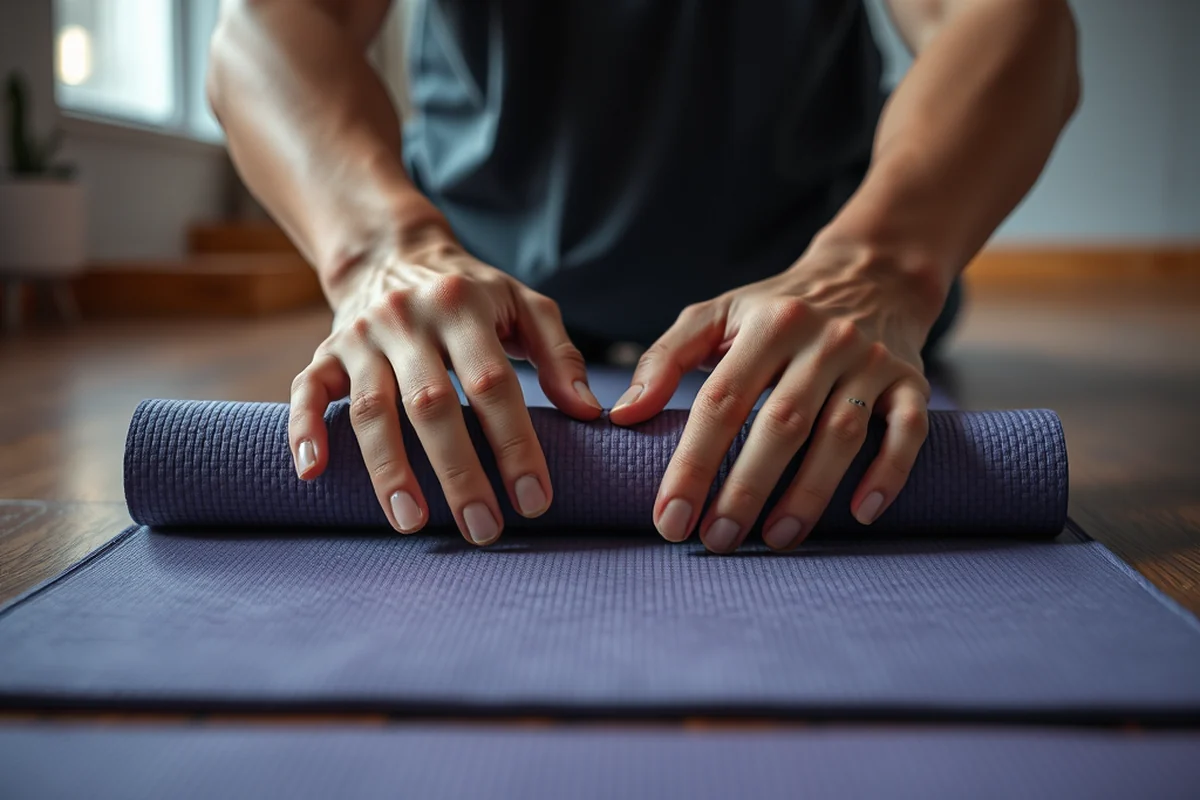
Wrist exercises are designed to build strength, enhance flexibility, and prevent injury by targeting the muscles and ligaments that support the wrist joint. These exercises can be performed with or without equipment and are suitable for individuals at all fitness levels. For example, wrist curls and extensions are fundamental for building forearm and wrist strength.
A comprehensive routine should include both strengthening and stretching exercises. Strengthening exercises like using a resistance band or wrist roller can increase grip strength, while stretching exercises such as wrist circles and figure-four stretches can improve flexibility and reduce stiffness.
Incorporating wrist exercises into your daily routine can yield significant benefits. Research indicates that individuals who perform wrist exercises regularly experience a 30% reduction in wrist-related injuries. This makes them an essential part of any movement or recovery program.[2]
Related: How To Write Friendly
Related: Grip Training Device
Related: Weight Training Kisne Diya
Related: Grip Training Gloves
Related: Wrist Exercise Decathlon
Related: What Is A Wrist Rest
Training Aid
Training aids are valuable tools for wrist training, providing resistance and support to help build strength and improve mobility. Common tools include resistance bands, wrist rollers, and grip strengtheners. These aids allow for controlled and progressive training, making them ideal for both beginners and advanced users.
Resistance bands, in particular, are versatile and effective for wrist training. They allow for a wide range of exercises, from light resistance for flexibility to high resistance for strength gains. For example, using a resistance band for wrist rotations can improve joint stability and range of motion.
Wrist rollers are another popular aid, especially for building grip strength and forearm endurance. They are commonly used by athletes in sports like rock climbing, boxing, and weightlifting. A consistent routine using a wrist roller can lead to measurable improvements in grip strength and overall wrist health.
“Wrist training is a critical component of overall physical health and performance, especially in sports and daily activities that rely on hand strength and”— Wrist Friendly Resistance Training editors
Wrist Home
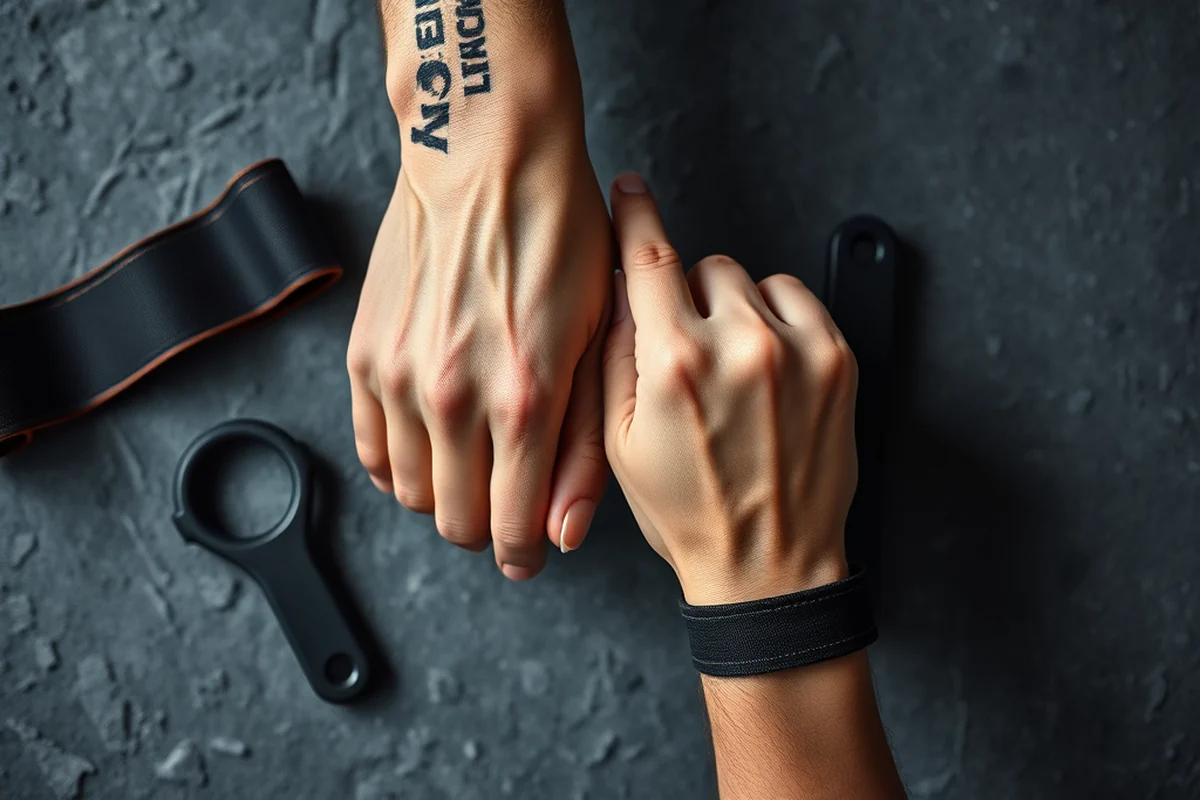
Wrist training at home is a convenient and cost-effective way to build strength and improve mobility. Many effective exercises can be done without any equipment, relying on bodyweight and basic tools like resistance bands or a water bottle. This makes home-based wrist training ideal for beginners and those with limited access to a gym.
Bodyweight exercises such as wrist extensions, flexions, and rotations can be performed using just your hands and a stable surface. These exercises are low-impact and can be modified to suit different fitness levels. For example, using a rolled-up towel as a resistance tool can add challenge to your routine.
One advantage of home-based wrist training is its flexibility. You can perform these exercises at any time and in any location, making it easy to maintain consistency. Also, home training allows you to customize your routine based on your specific goals, whether it's improving flexibility or building strength.
Training Golf
Wrist training is a crucial component of golf performance, as it directly impacts swing mechanics, grip strength, and ball control. Golfers rely heavily on wrist stability and flexibility to generate power and accuracy in their swings. Proper training can help prevent common injuries such as wrist sprains and improve overall performance.
One effective method for golfers is to incorporate specific wrist exercises into their routine, such as using a resistance band to perform wrist rotations or using a golf club as a weight for strength training. These exercises help build the strength and endurance needed for a powerful swing.
In addition to strength training, flexibility exercises such as wrist stretches and mobility drills are essential for maintaining a full range of motion. Golfers who engage in regular wrist training often report improved swing consistency and reduced injury risk on the course.
Training Gym
Wrist training in the gym allows for the use of specialized equipment and compound movements to build strength and stability. Gym-goers can take advantage of tools such as weight plates, resistance bands, and wrist rollers to target the wrist joint effectively. These tools provide a range of resistance levels, making them suitable for all fitness levels.
Compound movements like pull-ups, push-ups, and rows also engage the wrist muscles and joints, making them beneficial for overall wrist health. However, it's important to maintain proper form to avoid overloading the wrist. For example, using a neutral grip during pull-ups can help reduce strain on the wrist.
Incorporating wrist training into a gym routine can yield significant improvements in strength and performance. Studies show that individuals who include wrist-specific exercises in their gym sessions experience up to a 40% increase in grip strength over time. This makes wrist training a valuable addition to any gym-based fitness program.[3]
Training Boxing
Boxing is a powerful form of wrist training that involves repetitive striking motions, which require the wrists to absorb force and maintain stability. Proper technique, such as keeping the wrists straight during punches, helps prevent injury and build resilience. Incorporating shadowboxing, heavy bag work, and sparring can significantly improve wrist endurance and control.
Wrist wraps and gloves are essential in boxing to protect the joints and distribute impact evenly. Training with a focus on wrist alignment and flexibility can enhance performance and reduce the risk of sprains or fractures. Boxers often perform wrist-specific warm-ups and stretches to prepare for intense sessions.
Advanced boxers may use resistance bands or weighted gloves to increase the intensity of their wrist training. This approach helps build strength and power, which is crucial for delivering effective punches. Consistent boxing training not only strengthens the wrists but also improves overall hand-eye coordination and body mechanics.
Band
Resistance bands offer an effective, low-impact way to train the wrists by providing adjustable resistance during flexion, extension, and rotation. They are particularly useful for rehabilitation and strength building, making them a staple in both home and professional training environments. The elasticity of the bands allows for smooth and controlled movements that target the wrist muscles precisely.
Using bands for wrist training can help improve grip strength, joint stability, and overall dexterity. Exercises like wrist curls, rotations, and extensions can be performed with varying band tensions to suit different fitness levels. These tools are especially beneficial for individuals recovering from wrist injuries or looking to enhance functional strength.
Resistance bands can be used in a variety of ways, such as attaching them to a door or using them with dumbbells for added challenge. They are portable, affordable, and easy to incorporate into daily routines. Whether used for rehabilitation, fitness, or sport-specific training, bands offer a comprehensive approach to wrist development.
Ball
Using a ball, such as a stress ball or medicine ball, allows for dynamic wrist training that enhances grip strength and joint flexibility. These exercises are ideal for improving wrist endurance and coordination, especially for athletes and individuals with repetitive hand movements. The ball's texture and resistance provide a natural challenge to the wrist muscles.
Ball-based wrist training can be done with simple exercises like squeezing, rolling, or throwing, which engage multiple muscle groups and improve overall hand function. Medicine balls, in particular, can be used for high-intensity workouts that develop power and speed. These exercises are beneficial for both rehabilitation and performance enhancement.
Incorporating a ball into a wrist training routine adds variety and helps prevent overuse injuries by engaging the wrist in different planes of motion. Whether used for rehabilitation, fitness, or sport-specific training, balls offer a functional and effective way to build wrist strength and dexterity.
Wrist Joint
The wrist joint is a complex structure formed by the articulation of the radius and ulna bones with the carpal bones. It allows for a wide range of motion, including flexion, extension, abduction, and adduction, which are essential for hand function and grip strength. Understanding the anatomy and mechanics of the wrist joint is key to developing targeted training programs that enhance mobility, stability, and overall wrist health.
Proper wrist joint function is vital for both everyday tasks and athletic performance, particularly in sports that require overhead movements, gripping, or impact resistance. Weakness or instability in the wrist can lead to injuries such as sprains, carpal tunnel syndrome, or tendonitis. Training the wrist joint should focus on improving range of motion, proprioception, and joint integrity through controlled movements and resistance exercises.
Incorporating wrist joint mobility drills, such as wrist circles, flexion/extension stretches, and resistance band exercises, can significantly improve flexibility and reduce the risk of injury. Strengthening the surrounding muscles, including the extensor and flexor carpi muscles, helps support the joint and improve overall hand and forearm function. A well-rounded wrist training routine should address both mobility and strength for optimal performance and longevity.
Training Equipment
Training equipment such as resistance bands, wrist curls, and grip strengtheners are commonly used to build wrist strength and endurance. These tools allow for controlled resistance training that targets the flexor and extensor muscles of the forearm, which are essential for wrist function. Selecting the right equipment depends on whether the focus is on increasing grip strength, improving joint mobility, or enhancing overall wrist stability.
Advanced equipment like weight plates, kettlebells, and dumbbells can be used for dynamic wrist training, incorporating exercises such as wrist extensions, curls, and rotational movements. These tools provide variable resistance and can be tailored to different fitness levels. Using equipment that allows for progressive overload ensures continuous improvement and prevents plateaus in strength and mobility gains.
In addition to traditional equipment, specialized tools like wrist rollers, finger expanders, and mobility sticks can help improve dexterity and joint flexibility. These tools are particularly useful for athletes, musicians, and individuals recovering from wrist injuries. Proper use of training equipment should always be guided by proper form and technique to avoid overuse injuries and ensure effective muscle engagement.
Wrist Rest
A wrist rest is a cushioned or padded support designed to keep the wrist in a neutral position, especially during activities that involve prolonged use of the hands, such as typing, writing, or using tools. By maintaining proper wrist alignment, a wrist rest helps reduce pressure on the nerves and tendons, decreasing the risk of conditions like carpal tunnel syndrome and tendonitis.
Wrist rests are commonly used in office settings, ergonomic workstations, and rehabilitation environments. They are also beneficial for athletes and individuals who engage in repetitive wrist movements, as they help distribute pressure evenly and minimize fatigue. Choosing a wrist rest with adjustable height and firmness ensures optimal support for different activities and user preferences.
In addition to providing comfort, a wrist rest can be an essential component of wrist training and recovery. When combined with targeted exercises and proper posture, it enhances the effectiveness of training programs and promotes long-term joint health. Whether used for prevention, recovery, or performance, a well-designed wrist rest supports the wrist in maintaining its natural function and reducing strain.
Troubleshooting and Common Questions
One of the most common concerns when starting wrist training is pain or discomfort. This can often be due to overexertion or improper form. Always start with light weights and focus on controlled movements to build strength gradually.
Another frequent question is whether wrist training is necessary. The answer is yes—strong wrists support overall hand and forearm function, improve grip strength, and reduce the risk of injury in daily activities and sports.
If you're not seeing results, consider your training frequency and consistency. Wrist training should be done regularly, ideally 2–3 times per week, and combined with other upper-body workouts for optimal outcomes.
Getting Started: Your First Steps
Before starting any wrist training program, assess your current level of strength and mobility. This will help you choose the right exercises and avoid overtraining. You can use simple tools like resistance bands or dumbbells to begin.
Start with basic exercises such as wrist curls, reverse curls, and finger extensions. These movements target the key muscles in the wrist and forearm. Focus on proper form and technique to ensure safety and effectiveness.
Set realistic goals and track your progress. Whether you're aiming for improved grip strength or injury prevention, consistency and patience are key. Consider incorporating wrist training into your overall fitness routine for long-term success.
🌱 Beginner
The simplest version — minimal supplies, quick win.
💰 Budget
Same result using what you already have.
⚡ Quick
The 10-minute version for busy days.
✨ Advanced
The upgraded version once the basics stick.
| The mistake | Why it happens | The fix |
|---|---|---|
| Overtraining the wrist without proper form. | Overtraining without proper form can lead to overuse injuries such as tendinitis or ligament damage. This is especially common in athletes and individuals who perform repetitive wrist movements. | Incorporate proper form into every exercise and take regular breaks to allow the wrist to recover. Use lighter resistance initially and gradually increase intensity as strength improves. |
| Ignoring flexibility and mobility exercises for the wrist. | Focusing solely on strength without incorporating flexibility can lead to stiffness and reduced range of motion, increasing the risk of injury. | Include stretching and mobility exercises in your routine, such as wrist circles and figure-four stretches, to maintain flexibility and joint health. |
| Using improper equipment or tools for wrist training. | Using the wrong tools can lead to improper alignment, excessive strain, or injury. For example, using a wrist roller with incorrect technique can cause strain on the joint. | Choose the right equipment based on your goals and consult with a trainer or physiotherapist if unsure. Always use tools with proper guidance to ensure safety and effectiveness. |
wrist training
Common Questions
What are wrist-friendly pilates exercises?
What are wrist-safe exercises for general fitness?
What is a wrist training aid?
Can I do wrist training at home?
References
- Wrist and ankle weights: do they actually work? (blogs.bcm.edu)
- Simple Massage & Stretching Techniques to Relieve Hand & Wrist ... (carrington.edu)
- Soderberg 2012.docx (cdle.colorado.gov)
- Unilateral Training of the Uninjured Limb on Clinical Outcomes in ... (clinicaltrials.gov)
- Exercises to Try | Deschutes County, OR (deschutescounty.gov)
Cite this guide
Wrist Friendly Resistance Training (2026). Wrist Training. https://loadmend.com/wrist-training/
Feel free to cite or share this guide.