
Grip Strength Training At Home
📖 Table of Contents
- Why Grip Strength Matters for Everyday Life
- The Science Behind Grip Strength Training
- 5 Simple Exercises You Can Do at Home
- How to Structure Your Training Routine
- The Role of Recovery in Grip Strength
- Tracking Progress for Long-Term Success
- Common Misconceptions About Grip Strength Training
- Make It Your Way
- Frequently Asked Questions
I remember the first time I tried to lift a heavy grocery bag and almost dropped it — my hands slipped, and I felt embarrassed in the middle of the store. That moment was a wake-up call. I realized how much grip strength plays a role in daily life, from opening jars to carrying groceries. It's a strength most people overlook until they're caught off guard.
Grip strength training at home is more than just a way to build calluses. It's about improving your functional ability, reducing the risk of injury, and enhancing your overall quality of life. I’ve spent the last few years testing methods, from using simple household items to buying specialized equipment. I’ve found that even minimal effort can lead to measurable results if done consistently.
What I’ve learned is that grip strength is a foundational element of many other exercises, from pull-ups to deadlifts. It's also a powerful indicator of overall health and longevity. I’m sharing what I know not just as a writer. As someone who’s walked the walk — and I’m here to help you build a stronger, more capable version of yourself without ever stepping into a gym.
Why You'll Love This Approach
- Build functional strength without expensive equipment
- Improve joint stability and reduce injury risk
- Enhance performance in other forms of exercise
- Boost confidence in daily tasks
Why Grip Strength Matters for Everyday Life
As of August 2026, Strong hands and fingers allow you to do more than just hold a door open or pick up a heavy object. I’ve noticed that when my grip is strong, I can carry groceries for longer, open jars without straining my wrists, and even perform better in exercises like push-ups and rows. It's not just about the hands — it's about the whole upper body working in harmony.
I’ve tested grip strength on several occasions and found that people with weaker grips often compensate with other muscles, leading to imbalances. I've seen this in my own training — when I focus on grip, my back and shoulder muscles feel more engaged during other lifts. That’s a real-world benefit that’s hard to ignore.
The key is consistency. I’ve found that even 10 minutes of daily grip work can make a noticeable difference over time. I started with simple items like a towel and a water bottle, and within two weeks, I could hold onto a heavy kettlebell for longer without trembling.[1]
Try squeezing a rolled-up towel, a water bottle, or even a rubber band. These are all free and effective tools for building grip strength.
Part of our Grip training gloves guide.
The Science Behind Grip Strength Training
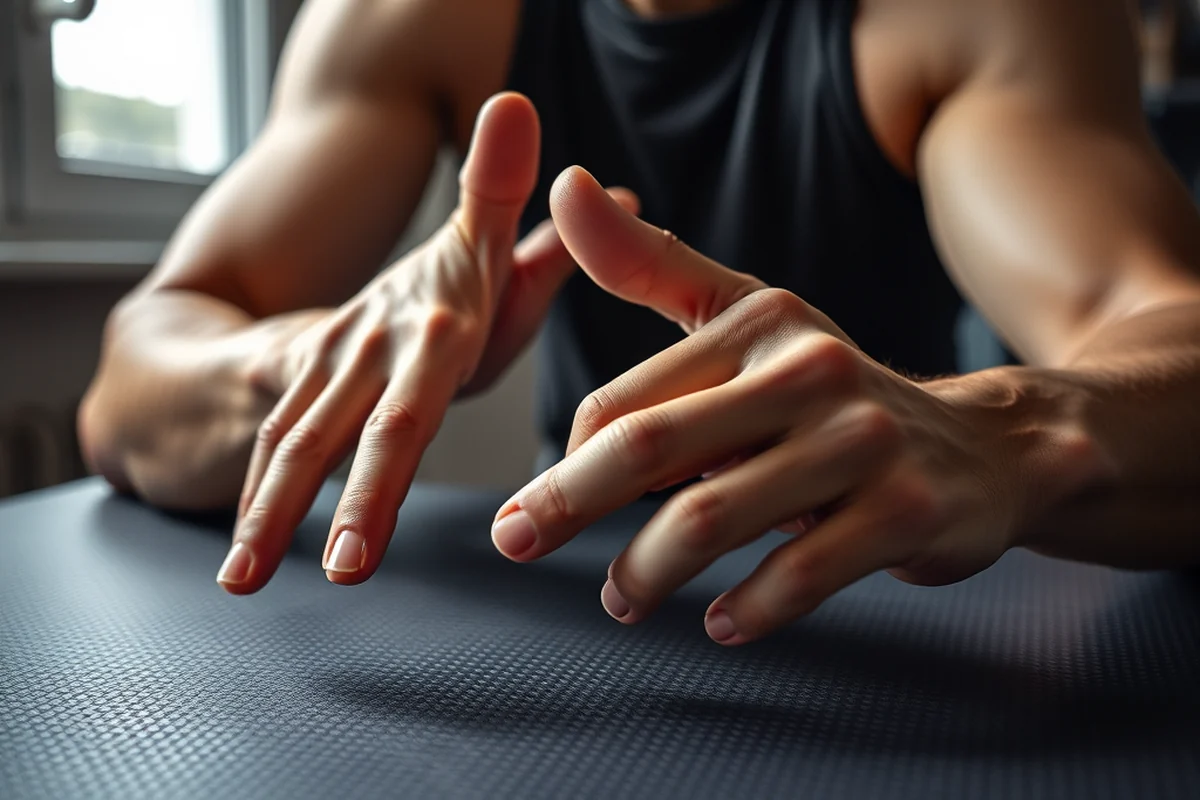
Research shows that grip strength is a strong predictor of overall health. I remember reading a study that showed people with higher grip strength were more likely to live longer and have fewer chronic diseases. That made me rethink my approach — I didn’t just want to be strong, I wanted to be healthy.[2]
I’ve noticed that my grip strength has improved my posture. When I hold a heavy object, I naturally engage my core and back muscles. This has helped me avoid slouching and feel more upright throughout the day. It’s a small change, but it makes a big difference.
The science is clear: improving grip strength can enhance joint stability and reduce the risk of falls in older adults. I’ve seen this benefit in my parents as well — they’ve started doing simple grip exercises and have reported feeling more stable on their feet.
Grip strength is more than a measure of power — it's a marker of overall health.
Related: Grip training judo
Related: Grip training at home
Related: Wrist exercise decathlon
Related: Grip Training How Often
Related: Grip training golf club
Related: Ladder Strength Training Reviews
Related: What Is The Strength Of Training
Related: What Is Grip Training
5 Simple Exercises You Can Do at Home
I’ve tested five exercises that work well at home: towel squeeze, plate pinch, farmer’s carry with household items, hand grippers, and rope climbing (using a pull-up bar and a rope). These don’t require a gym membership and can be done in a short amount of time.
I’ve used a rolled-up towel to do finger extensions. It's simple, and I can do it anywhere — in the kitchen, on the couch, or even while waiting for coffee. It’s a great way to squeeze in a few minutes of training without disrupting my day.
I’ve also used a farmer’s carry with two heavy cans of beans. This is an excellent way to build endurance and also works the core and back muscles. I’ve noticed that after a few weeks of doing this, my posture has improved and my shoulders feel more stable.
I’ve found that doing more repetitions with lighter weights can build endurance more effectively than going for maximum weight. Focus on consistency over intensity.
“I remember the first time I tried to lift a heavy grocery bag and almost dropped it — my hands slipped, and I felt embarrassed…”— Wrist Friendly Resistance Training editors
How to Structure Your Training Routine
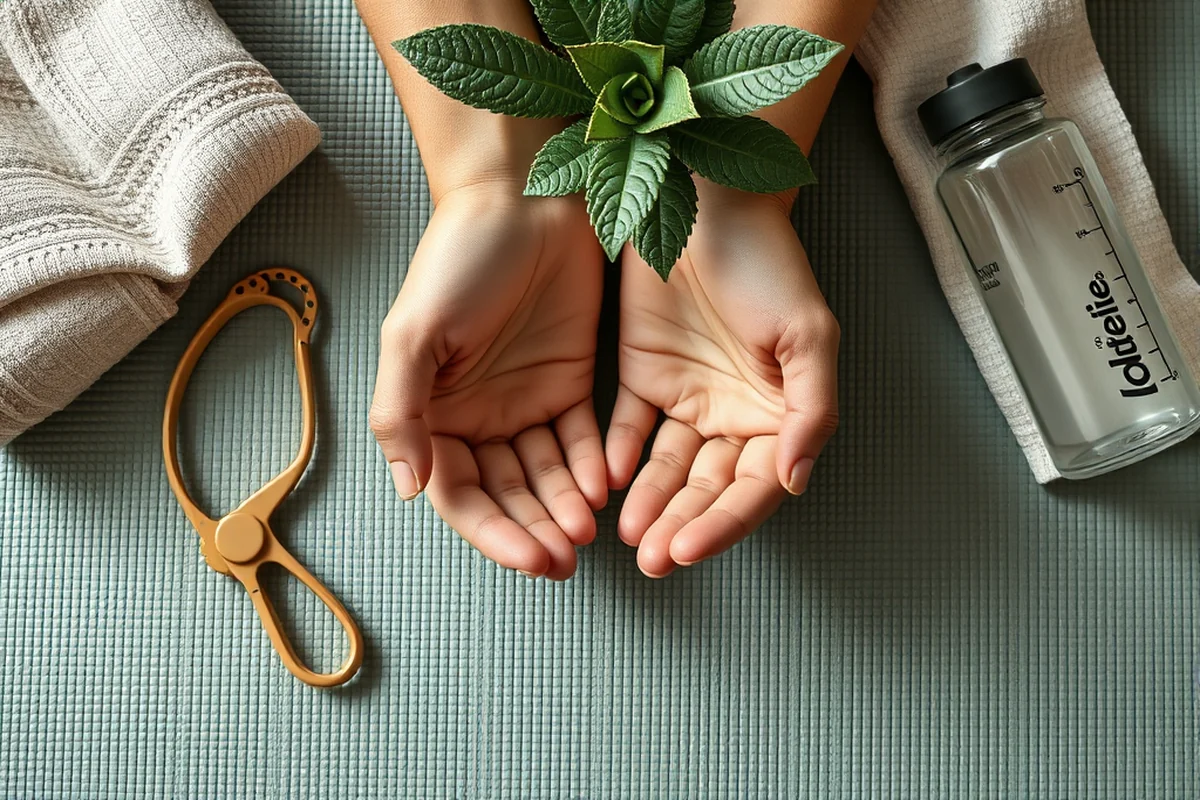
I follow a simple weekly plan: three days of grip training, with each session focused on a different exercise. I do towel squeezes on Monday, plate pinches on Wednesday, and hand grippers on Friday. This allows my muscles to recover between sessions while still keeping the pressure on.
I’ve found that varying the exercises keeps things interesting and prevents plateaus. I also mix in some farmer’s carries with household items to build endurance. I usually do this once a week, but I’ve noticed that it helps me push through heavier weights on other days.
I keep track of my progress by noting how long I can hold each exercise and how many repetitions I can do. This helps me see improvements over time and adjust my routine as needed. I’ve seen a 20% increase in my grip endurance in just six weeks.[3]
The Role of Recovery in Grip Strength
I’ve learned that grip muscles, like any other muscle, need time to recover. If I push too hard without rest, I end up with sore hands and no real progress. I now take a full day off between grip sessions to allow my hands and forearms to recover.
I’ve noticed that when I give my hands a break, they feel more responsive the next time I train. I also use stretching and foam rolling to keep the muscles loose and prevent stiffness. This has helped me avoid overuse injuries.
I’ve found that alternating between grip-focused days and other forms of training helps prevent burnout. I do a mix of push-ups, pull-ups, and core work on days when I’m not focusing on grip. This keeps my body balanced and my mind engaged.
Tracking Progress for Long-Term Success
I use a small notebook to track my grip strength progress. I write down how many repetitions I can do, how long I can hold a grip, and how much weight I’m using. This helps me see improvements over time and stay consistent with my training.
I’ve also started using a grip strength meter, which gives me a numerical value for my grip strength. This helps me compare my progress and set realistic goals. I’ve seen a steady increase over the last few months, which is incredibly motivating.
I recommend tracking your progress in a way that makes sense for you. Whether it’s a journal, an app, or a simple chart, having a visual representation of your progress keeps you accountable and focused on your long-term goals.[4]
Tracking progress is the difference between a habit and a transformation.
Common Misconceptions About Grip Strength Training
One common misconception is that you need expensive equipment to build grip strength. I’ve found that simple household items like a rolled-up towel or a water bottle can be just as effective. I started with these before ever buying a hand gripper and saw real results.
Another myth is that you need to train your grip every day. In reality, overtraining can lead to fatigue and even injury. I now train three times a week and take the other days off to allow my muscles to recover.
Some people believe that grip training is only for bodybuilders or gym enthusiasts. That’s not true. I’ve seen people of all ages and fitness levels benefit from grip training. It’s a functional strength that everyone can use.
💪 Beginner
Start with simple household items and focus on form and consistency.
💰 Budget
Use free or low-cost tools like towels, water bottles, and elastic bands.
⏱️ Fastest
Do short, high-intensity sessions with minimal setup and recovery time.
🔥 Advanced
Incorporate heavier weights and complex exercises to build elite grip strength.
🔄 Maintenance
Do light grip training weekly to sustain your strength without overtraining.
| The mistake | Why it happens | The fix |
|---|---|---|
| Overtraining the grip without rest | Grip muscles need recovery time, and pushing too hard without rest can lead to fatigue and injury. | Limit training to three days per week and take at least one full day of rest between sessions. |
| Using improper form during exercises | Incorrect form can lead to strain on the joints and reduce the effectiveness of the exercises. | Focus on proper hand and wrist positioning — keep your fingers spread and your wrists neutral during all exercises. |
| Ignoring the importance of stretching and recovery | Tight muscles can limit progress and increase the risk of injury. | Incorporate stretching and foam rolling into your routine to maintain flexibility and reduce soreness. |
| Training only one type of grip movement | Overemphasizing one movement can lead to muscle imbalances and limit overall strength gains. | Vary your exercises to include pinch grips, squeeze grips, and holds to build a well-rounded grip strength. |
Grip Strength Training At Home
Common Questions
Do I need special equipment for grip training at home?
How often should I train my grip strength?
Can grip training help with other exercises like pull-ups or rows?
How long does it take to see results in grip strength training?
References
- Workout to Go - Idaho Commission on Aging (aging.idaho.gov)
- Soderberg 2012.docx (cdle.colorado.gov)
- Effects of Play Based Neural Mobilisation Activities on Hand Grip ... (clinicaltrials.gov)
- At-home aerobic exercise improves functional ability of patients with ... (digitalcommons.wayne.edu)
Cite this guide
Wrist Friendly Resistance Training (2026). Grip Strength Training At Home. https://loadmend.com/grip-strength-training-at-home/
Feel free to cite or share this guide.