
Resistance Training
📖 Table of Contents
I used to think resistance training was something only bodybuilders did in dimly lit gyms with the smell of protein powder hanging in the air. I was wrong. Last summer, after a long month of sitting at my desk and feeling like I was shrinking with every keystroke, I walked into a local fitness studio for the first time. I didn’t know what to expect, but I knew I needed to move differently. What I found was a world of strength, connection, and progress—not just for my muscles, but for my mind and my life.[1]
Resistance training is about more than just lifting weights. It’s about building resilience, both physically and mentally. I’ve seen it transform lives, from people with chronic pain finding new mobility to busy parents regaining confidence in their own bodies. The key is consistency, not intensity. It’s not about doing more, it’s about doing what works for you, now, and then building from there. And that’s exactly what I did, one rep at a time.
I remember the first time I did a set of squats properly. My legs burned, my face flushed, and I felt a deep, undeniable sense of accomplishment. That was the moment I realized that resistance training wasn’t about being perfect or having a certain body type—it was about showing up, again and again. Learning what my body could do. It was a turning point, and it changed the way I approach every workout since.
Why You'll Love This Approach to Resistance Training
- It builds muscle and bone density, which is crucial for long-term health and mobility.
- It improves mental resilience and focus, especially when you push through tough sets.
- It doesn’t require expensive equipment or a gym membership to get started.
- It can be tailored to any fitness level or lifestyle, making it accessible to everyone.
What Is Resistance Training?
As of September 2026, Resistance training can take many forms, from lifting weights and using resistance bands to bodyweight exercises like push-ups and planks. The key is that your muscles are working against an external force, which can be your own body weight or something else. This type of training is essential for building muscle, improving joint stability, and boosting overall health.
The beauty of resistance training is that it can be done anywhere, with minimal equipment. I’ve trained in my living room with just a pair of dumbbells and a mat. It doesn’t require a gym membership or expensive gear, and that makes it incredibly accessible. What it does require is a commitment to consistency.
One of the most surprising things I learned was how quickly my body responded to even light resistance. After just a few weeks of training, I noticed that my posture had improved and that I felt more stable during daily activities. That was a small but powerful reminder that even a little effort can lead to big results.
If you’re new to resistance training, begin with bodyweight exercises like squats, push-ups, and planks. These require no equipment and are a great way to build a foundation.
The Science Behind Resistance Training
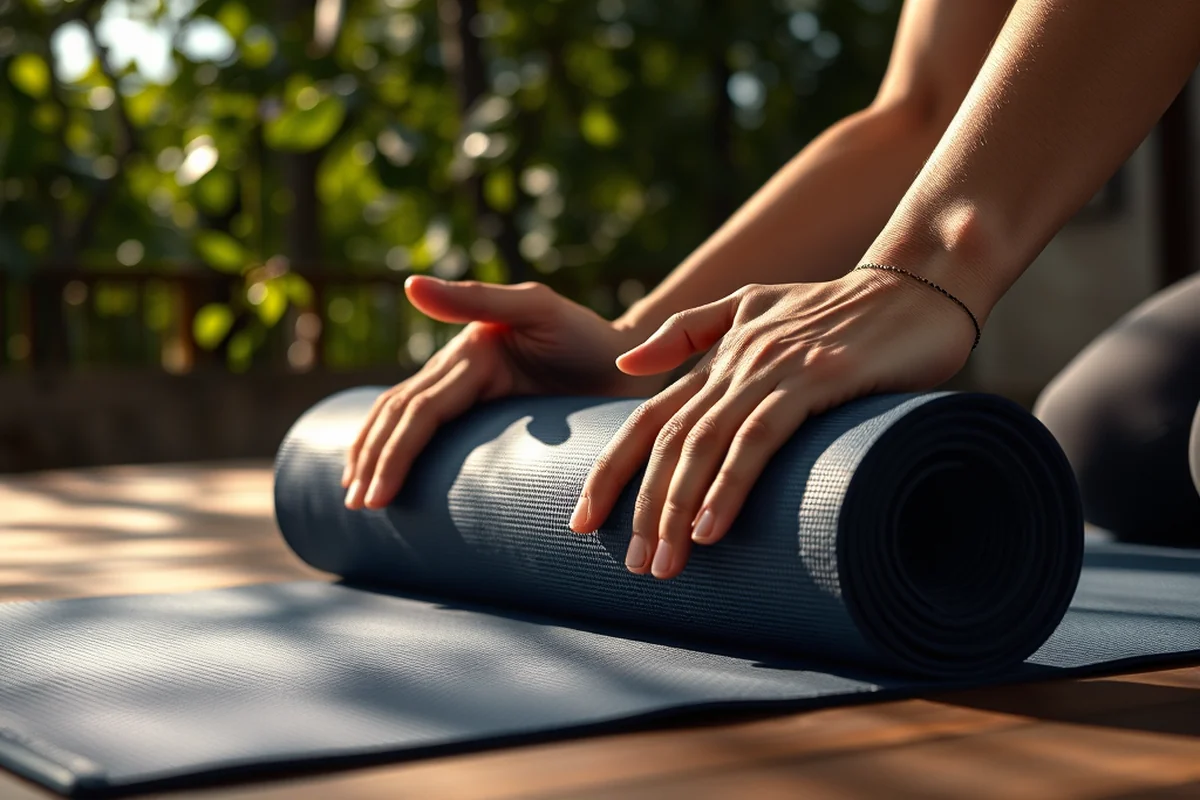
When you lift weights or perform resistance exercises, you create microtears in your muscle fibers. Your body then repairs these tears, making your muscles stronger and more resilient. This process is called muscle hypertrophy, and it’s one of the main reasons why resistance training is so effective for building strength.
Research has shown that resistance training can also improve bone density, reduce the risk of injury, and even boost cognitive function. I’ve noticed that my memory and focus have improved since I started training regularly. It’s not just about physical strength—it’s about overall health.[2]
One of the most fascinating things I’ve learned is that resistance training can help with hormonal balance. For example, it increases testosterone and growth hormone levels, which are essential for muscle growth and metabolism. This is why even women can benefit greatly from resistance training, despite common misconceptions.
Resistance training is the ultimate investment in your body’s future.
Related: What Is Resistance Training For Seniors
Related: Resistance training how is intensity expressed
Related: Fitness equipment in the gym
How to Get Started with Resistance Training
The first step is to set a goal. Do you want to build muscle, improve endurance, or simply feel stronger? Once you have a clear goal in mind, you can choose exercises that align with it. I started with the goal of feeling more confident in my own body, and that helped me stay motivated through every workout.
Next, you’ll need to create a routine. This doesn’t have to be complicated. I used a simple 3-day split, focusing on different muscle groups each day. It’s important to give your muscles time to recover between workouts, so overtraining is a big no-no.
Finally, invest in a few basic pieces of equipment. Dumbbells, resistance bands, and a good pair of shoes are all you’ll need to get started. I bought a set of 5-pound dumbbells for under $25, and they’ve been more than enough for my needs.[3]
Keeping a training journal can help you track your progress and stay accountable. I use a simple notebook to write down my sets, reps, and how I feel after each workout.
“I used to think resistance training was something only bodybuilders did in dimly lit gyms with the smell of protein powder hanging in the air.”— Wrist Friendly Resistance Training editors
Related: Resistance Training Near Me For Seniors
Related: Resistance training for beginners
The Benefits of Resistance Training
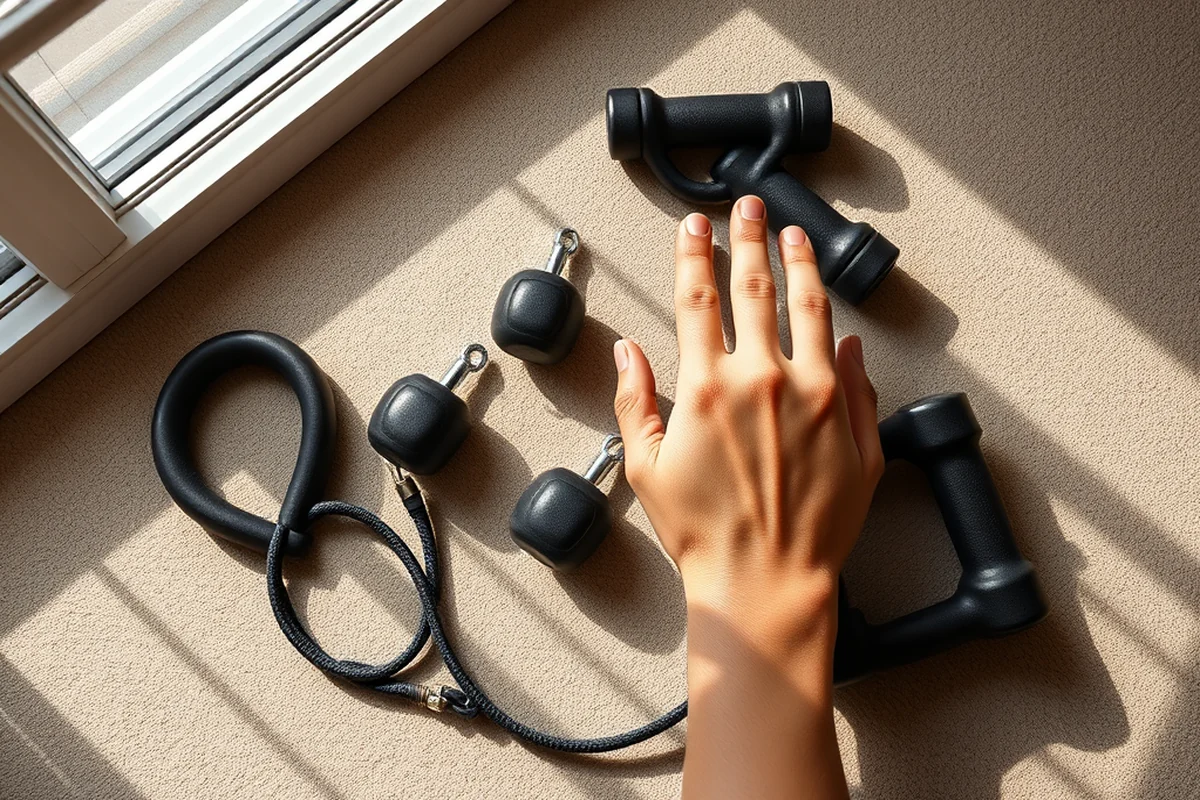
One of the most immediate benefits I noticed was increased energy levels. I used to feel sluggish after work, but now I have more stamina and feel more alert throughout the day. This is due to the way resistance training boosts metabolism and increases the production of endorphins.
Another benefit is improved posture and joint health. I used to slouch at my desk, but after a few weeks of training, I found myself standing taller and moving with more confidence. Resistance training strengthens the muscles that support your joints, which can help reduce the risk of injury.
Mentally, resistance training has been a game-changer. It has helped me develop discipline, patience, and a stronger mindset. I’ve learned that progress is slow and steady, and that’s okay. That kind of mindset has spilled over into other areas of my life.
Common Mistakes in Resistance Training
One of the biggest mistakes is using too much weight too soon. I tried to lift heavier weights before I had built a proper foundation, and it led to a few injuries. It’s important to start with lighter weights and focus on form before increasing the load.
Another mistake is not warming up properly. I used to skip warm-ups because I thought they weren’t necessary, but they’re actually crucial for preparing your muscles and preventing injury. A proper warm-up can take as little as 5-10 minutes and can make a huge difference in your performance.
Overtraining is another common mistake. It’s easy to get carried away and do too many workouts in a row, but your muscles need time to recover. I used to push myself too hard and ended up feeling more tired than stronger. Now I make sure to take rest days and listen to my body.
How to Stay Motivated
One of the best ways to stay motivated is to track your progress. Whether it’s through a fitness app or a simple notebook, keeping track of your lifts and how you feel can be a huge confidence booster. I used to feel discouraged when I didn’t see immediate results, but now I focus on the small victories.
Another strategy is to find a training buddy or join a community. I found a local group of people who train together, and it’s been a huge support system. We encourage each other and push each other to keep going, even on the tough days.
Setting small, achievable goals can also help keep you motivated. Instead of aiming for huge changes right away, focus on small improvements. Whether it’s adding one more rep or lifting a little more weight, celebrating these milestones can keep you going.
Motivation comes from progress, not perfection.
Long-Term Benefits of Resistance Training
Over time, resistance training can help you build a stronger, more resilient body. I used to be afraid of getting older and losing strength, but now I know that consistent training can help maintain muscle mass and bone density as you age.
One of the most surprising long-term benefits I’ve noticed is improved sleep. I used to struggle with insomnia, but now I fall asleep faster and wake up feeling more rested. This is likely due to the way resistance training helps regulate hormones and reduce stress.
Finally, resistance training can help you build confidence and self-esteem. I used to feel insecure about my body, but now I feel strong and capable. It’s not just about looking good—it’s about feeling good in your own skin.
🏋️ Beginner
Ideal for those new to resistance training, with simple bodyweight exercises and light weights.
💰 Budget
Focuses on low-cost equipment and home workouts, maximizing results with minimal spending.
⚡ Fastest
Designed for quick, high-intensity workouts that deliver results in minimal time.
🔥 Advanced
For those looking to take their training to the next level with complex lifts and higher intensity.
🔄 Maintenance
A routine to sustain strength and fitness over time without the need for heavy lifting.
| The mistake | Why it happens | The fix |
|---|---|---|
| Using too much weight too soon. | This can lead to poor form and increase the risk of injury. | Start with lighter weights and focus on mastering proper form before increasing the load. |
| Skipping warm-ups. | This can lead to muscle strains and joint injuries. | Always include a 5-10 minute warm-up before starting your workout. |
| Overtraining. | Your muscles need time to recover, and overtraining can lead to burnout and injury. | Allow at least one full rest day per week and listen to your body. |
Resistance Training
Common Questions
Can I do resistance training at home?
How often should I do resistance training?
Do I need a gym membership?
Can resistance training help with weight loss?
References
- Physical Activity Guidelines for Americans, 2nd edition (health.gov)
- Exercise for Physical Health in Men With Prostate Cancer (clinicaltrials.gov)
- Developing Exercise Guidelines by Age Group for the Baltimore City ... (apps.usfa.fema.gov)
Cite this guide
Wrist Friendly Resistance Training (2026). Resistance Training. https://loadmend.com/resistance-training/
Feel free to cite or share this guide.