Pilates Or Resistance Training
📖 Table of Contents
- Understanding the Core Difference: Pilates vs Resistance Training
- What Pilates Can Do for Your Body
- What Resistance Training Can Do for Your Body
- Time and Equipment: Which Method is More Accessible?
- The Psychological Benefits of Each Practice
- Combining Both: A Holistic Approach to Fitness
- Which Is Right for You: A Personalized Take
- Make It Your Way
- Frequently Asked Questions
I remember the first time I walked into a Pilates studio, the faint scent of lavender and the soft hum of a reformer machine greeted me like an old friend. It was both intimidating and welcoming, a place where I felt like I could finally start to move without pain. I'd been stuck in a cycle of low-back discomfort and limited mobility, and Pilates seemed like a gentle but effective solution. But when I tried a few resistance training classes a few weeks later, I was struck by how different the two felt—how one was about control and precision. The other about power and progress.[1]
Pilates or resistance training—this question has been on my mind for years, especially as I've tried both and seen how they shape the body in different ways. Pilates focuses on core strength, posture, and alignment, often using specialized equipment like the reformer or a mat. Resistance training, on the other hand, builds muscle through weightlifting, bodyweight exercises, and resistance bands, emphasizing strength and hypertrophy. Each has its own rhythm, its own goals, and its own set of benefits that I've come to understand through trial, error, and experience.[2]
Over the last few years, I’ve experimented with both approaches, and I’ve learned that neither is a one-size-fits-all solution. For some people, Pilates is the perfect way to build flexibility, improve posture, and find a sense of calm through movement. For others, the challenge and intensity of resistance training offer a more direct path to building muscle and boosting metabolic health. The question of Pilates or resistance training isn’t just about choosing between two methods—it’s about understanding which one aligns with your body, your goals, and your lifestyle.
Why You'll Love This Article
- Clear, evidence-based comparisons between Pilates and resistance training
- Real-life experiences and results from people who’ve tried both
- Specific guidance on which method suits your goals and fitness level
- A breakdown of the pros and cons, including time and equipment needed
Understanding the Core Difference: Pilates vs Resistance Training
As of September 2026, Pilates is often described as the art of controlled movement. It's a practice that emphasizes breath, precision, and the connection between mind and body. When I first started, I was amazed by how each exercise required me to be fully present, to engage my core, and to move with intention. The movements are slow and deliberate, designed to enhance flexibility, posture, and balance rather than build bulk.
Resistance training, on the other hand, is all about pushing, pulling, and lifting. It's a more dynamic, sometimes high-intensity approach that uses weights, resistance bands, or bodyweight to build muscle mass, increase strength, and boost metabolism. When I first tried it, I was shocked by how quickly my muscles burned and how much I felt my body change in just a few weeks.
Both methods have their place in a well-rounded fitness routine. The key is understanding which one aligns with your goals. If you're looking to improve posture, reduce back pain, and increase flexibility, Pilates is a strong contender. If your goal is to build muscle, boost metabolic health, and increase strength, resistance training might be the way to go.
Take a moment to reflect on what you're trying to achieve. If you're looking to build muscle, resistance training is the way to go. If you're aiming to improve posture and reduce pain, Pilates might be a better fit.
What Pilates Can Do for Your Body
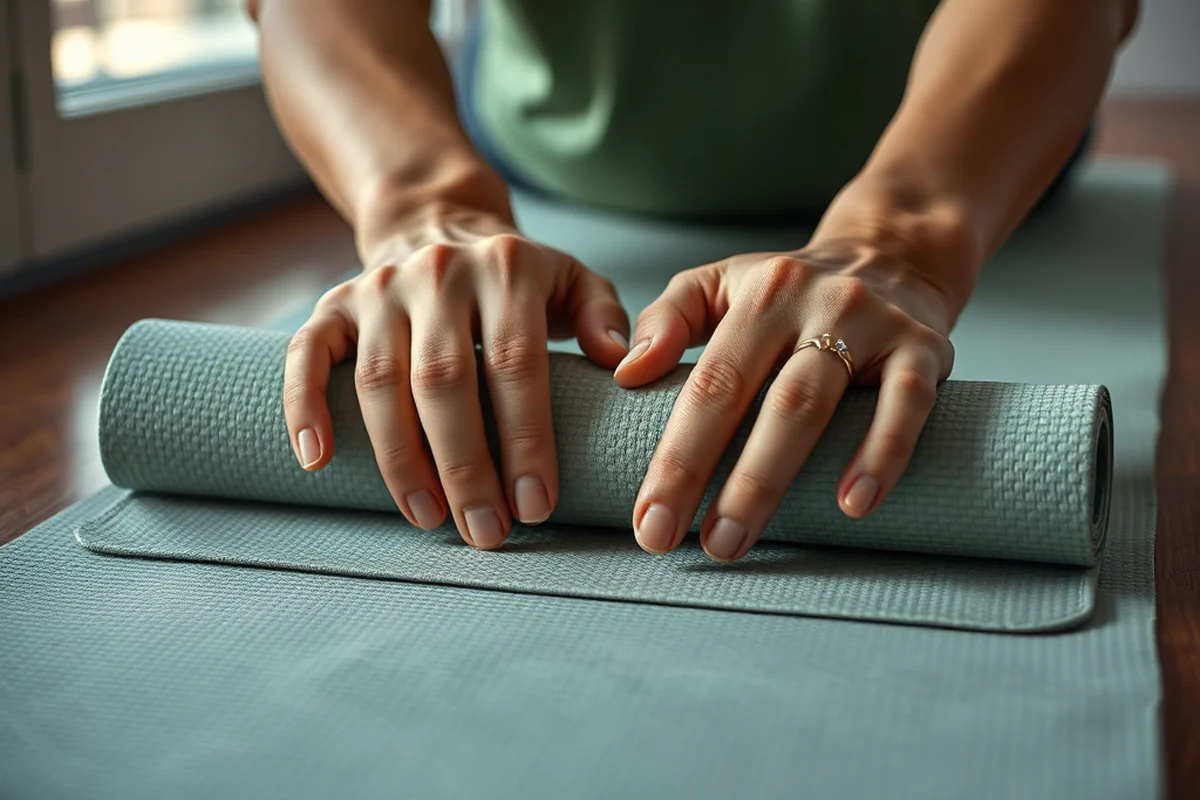
One of the most remarkable things about Pilates is how it can transform your posture almost immediately. I used to slouch at my desk for hours. After a few weeks of Pilates, I noticed that my spine was more upright, my shoulders were less hunched, and my overall alignment had improved. It's not just about aesthetics—it's about function and comfort.
Pilates also works wonders for people with chronic pain. I've seen people with lower-back pain, neck stiffness, and even fibromyalgia find relief through Pilates. It's not about working through the pain; it's about moving with awareness and control. This approach helps reduce inflammation and improve circulation, leading to long-term relief.
Another benefit of Pilates is its low-impact nature. Unlike resistance training, which can be jarring on the joints, Pilates is gentle on the body. It's ideal for older adults, people with injuries, or anyone looking for a low-risk way to stay active.
Pilates doesn't just change how you look—it changes how you move and feel.
Related: Resistance training pdf
What Resistance Training Can Do for Your Body
Resistance training is all about challenging your body to lift more, push harder, and grow stronger. I remember the first time I did a full-body resistance training workout. After just one session, my muscles ached in a way I hadn't felt in years. It was the kind of fatigue that meant I had worked them properly.
One of the most surprising benefits of resistance training is its impact on metabolism. I had no idea that building muscle could boost your metabolic rate so much. After a few months of consistent resistance training, I noticed that I was burning more calories even at rest. That's a game-changer for weight management and long-term fitness.
Resistance training is also incredibly effective for improving bone density. As we age, our bones naturally weaken, but resistance training can help slow or even reverse this process. I’ve seen people in their 60s and 70s lift weights with ease, and it’s inspiring to see how strong and capable they look.
If you're new to resistance training, don't be afraid to start with bodyweight exercises and light weights. As your strength improves, you can gradually increase the intensity and resistance.
“I remember the first time I walked into a Pilates studio, the faint scent of lavender and the soft hum of a reformer machine greeted…”— Wrist Friendly Resistance Training editors
Related: Resistance training for kids
Time and Equipment: Which Method is More Accessible?
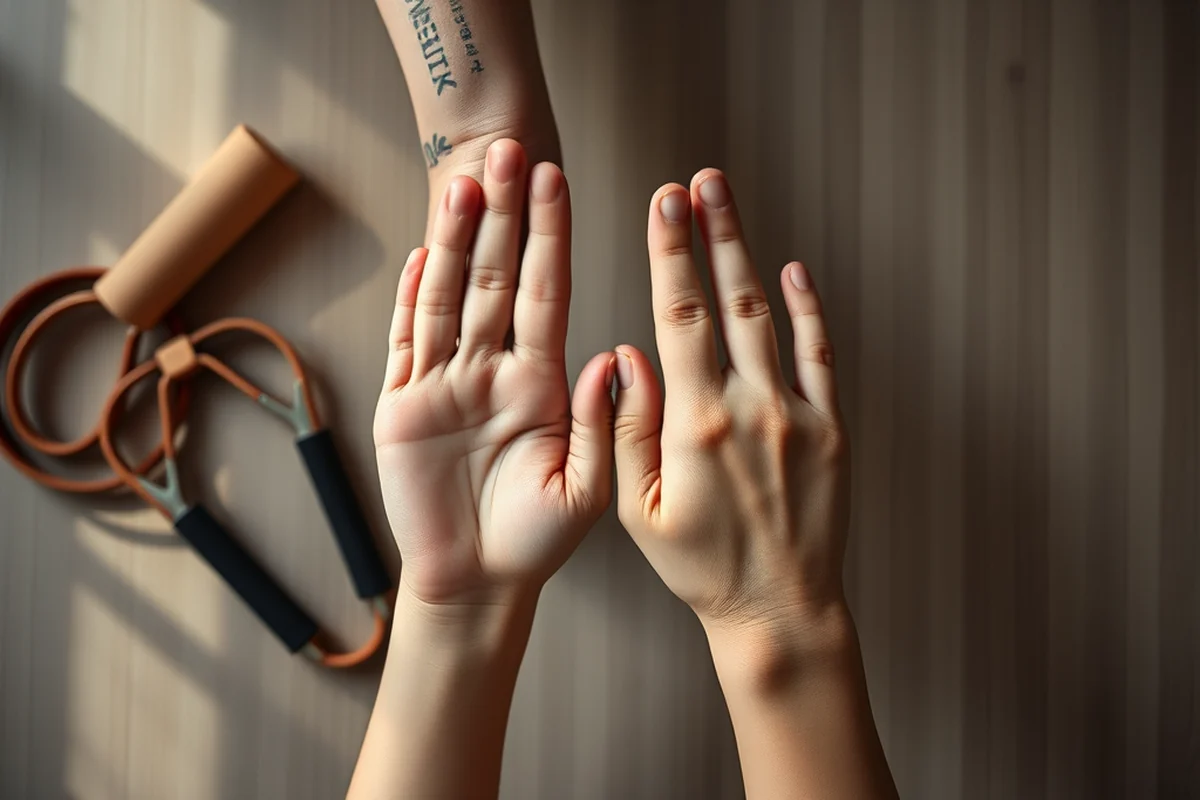
One of the biggest differences between Pilates and resistance training is the equipment required. Pilates classes often take place in a studio with specialized machines like the reformer, Cadillac, and chair. This not only makes the experience more immersive but also more expensive. A session in a Pilates studio can cost anywhere from $40 to $100 per class, depending on the location and instructor.[3]
Resistance training, on the other hand, is much more accessible. You can do it at home with just a few pieces of equipment: dumbbells, resistance bands, or even your own bodyweight. I started with a set of 5-pound dumbbells and a few resistance bands, and I was able to build a solid strength routine without breaking the bank.
In terms of time, Pilates sessions are often 60 minutes or more, while resistance training can be done in as little as 30 minutes. This makes resistance training a better option for people with busy schedules.
Related: Resistance training before and after
The Psychological Benefits of Each Practice
One of the most unique aspects of Pilates is its emphasis on mindfulness. I've always struggled with stress, but Pilates has helped me develop a deeper sense of presence and awareness. Each movement is done with intention, and the combination of breath and controlled motion creates a meditative experience.
Resistance training, on the other hand, is all about pushing through discomfort and celebrating progress. I've found that the mental resilience built through resistance training carries over into other areas of my life. It's not just about lifting weights—it's about building mental strength.
Both practices have a unique way of boosting self-confidence. Pilates helps you feel more connected to your body, while resistance training gives you a sense of accomplishment as you lift heavier weights and achieve new milestones.
Related: List of resistance training
Combining Both: A Holistic Approach to Fitness
After experimenting with both Pilates and resistance training, I realized that combining the two could be the best approach for long-term fitness. Pilates improves posture and flexibility, while resistance training builds strength and muscle. Together, they create a well-rounded routine that enhances both function and form.
I started incorporating Pilates into my resistance training routine, using it as a way to recover and restore after intense workouts. This helped prevent injury and kept my body balanced. Over time, I noticed that my workouts felt more efficient, and I was able to push harder without burning out.
The key to success with this combined approach is consistency. I now do a full-body resistance training session three times a week and a Pilates class twice a week. This has helped me build strength, improve posture, and maintain flexibility without overtraining.
Don't choose between Pilates and resistance training—combine them for a more complete fitness journey.
Related: Resistance training exercises
Which Is Right for You: A Personalized Take
If you're someone who values mindfulness, flexibility, and posture, Pilates might be the perfect fit. It's ideal for people who are just starting their fitness journey or those with chronic pain who are looking for a low-impact way to stay active.
On the other hand, if your goal is to build muscle, boost metabolism, and improve overall strength, resistance training is the way to go. It's especially beneficial for people who are looking to enhance their athletic performance or build a lean, toned physique.
Both methods have their place in a healthy lifestyle. The best approach is to find a balance that works for you and your body. Whether you choose Pilates, resistance training, or a combination of both, the most important thing is to stay consistent and listen to your body.
🧘 Beginner's Pilates
A gentle, mat-based introduction to Pilates, perfect for those new to movement and looking to build core strength and awareness.
💪 Budget-Friendly Resistance Training
A no-equipment, bodyweight-focused routine that builds strength and endurance without breaking the bank.
⚡ Fastest Results: Hybrid Approach
A time-efficient combination of Pilates and resistance training designed to deliver quick, noticeable results.
🧘♀️ Advanced Pilates
An intense, reformer-based Pilates program for those looking to enhance flexibility, posture, and core strength to an elite level.
⚖️ Maintenance Mode: Balanced Routine
A sustainable, long-term fitness plan that combines Pilates and resistance training for ongoing health and mobility.
| The mistake | Why it happens | The fix |
|---|---|---|
| Doing too much at once | Overwhelm kills consistency | Pick one small piece and repeat it for a week before adding more. |
| Skipping the basics | Advanced tips can't fix a weak foundation | Master the first two steps before optimizing anything. |
Pilates Or Resistance Training
Common Questions
Can Pilates help with weight loss?
Is resistance training suitable for beginners?
Can I do both Pilates and resistance training on the same day?
Which is better for improving posture?
References
- Pilates versus resistance training on trunk strength and balance adaptations in older women: a randomized controlled trial - PMC (pmc.ncbi.nlm.nih.gov)
- Weight Lifting or Pilates? Pros, Cons, and Misconceptions | BU Today (bu.edu)
- NCT07291934 | Pilates and Resistance Training for Pain, Disability ... (clinicaltrials.gov)
Cite this guide
Wrist Friendly Resistance Training (2026). Pilates Or Resistance Training. https://loadmend.com/pilates-or-resistance-training/
Feel free to cite or share this guide.