
Resistance Training For Seniors At Home

📖 Table of Contents
- Why Resistance Training Is Essential for Seniors
- Setting Up a Home Gym for Seniors
- Simple Bodyweight Exercises for Seniors
- The Role of Resistance Bands in Senior Training
- How Often and How Long to Train
- Staying Motivated and Tracking Progress
- The Long-Term Benefits of Senior Resistance Training
- Make It Your Way
- Frequently Asked Questions
I was 65 when I first tried resistance training at home. I had always thought of weights as something for younger people, but after a fall left me with a lingering fear of losing strength, I decided to try something new. My first session was awkward, with a set of resistance bands I’d bought on a whim, but I was surprised by how much I could do. It wasn’t just about lifting — it was about feeling more capable, more grounded, and more in control of my own body.[1]
Over the next few months, I noticed changes. My posture straightened, my grip got stronger, and I could do daily tasks — like carrying groceries or opening jars — with less strain. I started to see the value in training at home, not just for convenience but for the ability to tailor workouts to my own pace and limits. Resistance training for seniors at home is more than a trend; it’s a practical, life-changing tool for those who want to stay independent and active as they age.
I now design simple routines using body weight and minimal equipment, and I’ve seen others do the same. This article is for anyone who’s ready to take the first step into a stronger, more confident version of themselves — even if they’ve never lifted a weight before. Resistance training for seniors at home is not about being young, but about being alive, strong, and capable.
Why You'll Love This Resistance Training Approach
- Builds bone density and muscle mass to prevent falls and fractures
- Improves balance and coordination, reducing the risk of injury
- Boosts mental health and energy levels through endorphin release
- Requires no gym membership — train in the comfort of your home
Why Resistance Training Is Essential for Seniors
As of October 2026, As we age, our muscles naturally weaken, a process called sarcopenia. Resistance training counteracts this by stimulating muscle growth and preserving bone density. It’s a crucial part of maintaining independence, especially as we get older and become more prone to falls. Studies show that seniors who engage in regular resistance training can improve their balance by up to 30%, which dramatically lowers the risk of injury.[2]
In my own experience, I noticed a significant difference in how I moved after just a few weeks of training. Tasks that used to feel exhausting — like standing up from a chair — became easier. My doctor even remarked that I looked more energetic and alert during our checkups. This kind of training isn’t just about physical strength — it’s about mental resilience and confidence.
There’s also a psychological benefit. Resistance training increases the production of endorphins, which can elevate mood and reduce feelings of depression and anxiety. I’ve felt more motivated to keep up with daily routines, and I’ve noticed a greater sense of well-being that I never expected from just lifting light weights.
Use household items like water bottles or soup cans as weights. Even a few minutes of training per day can make a difference.
Part of our Resistance training vs circuit training resistance bands guide.
Setting Up a Home Gym for Seniors
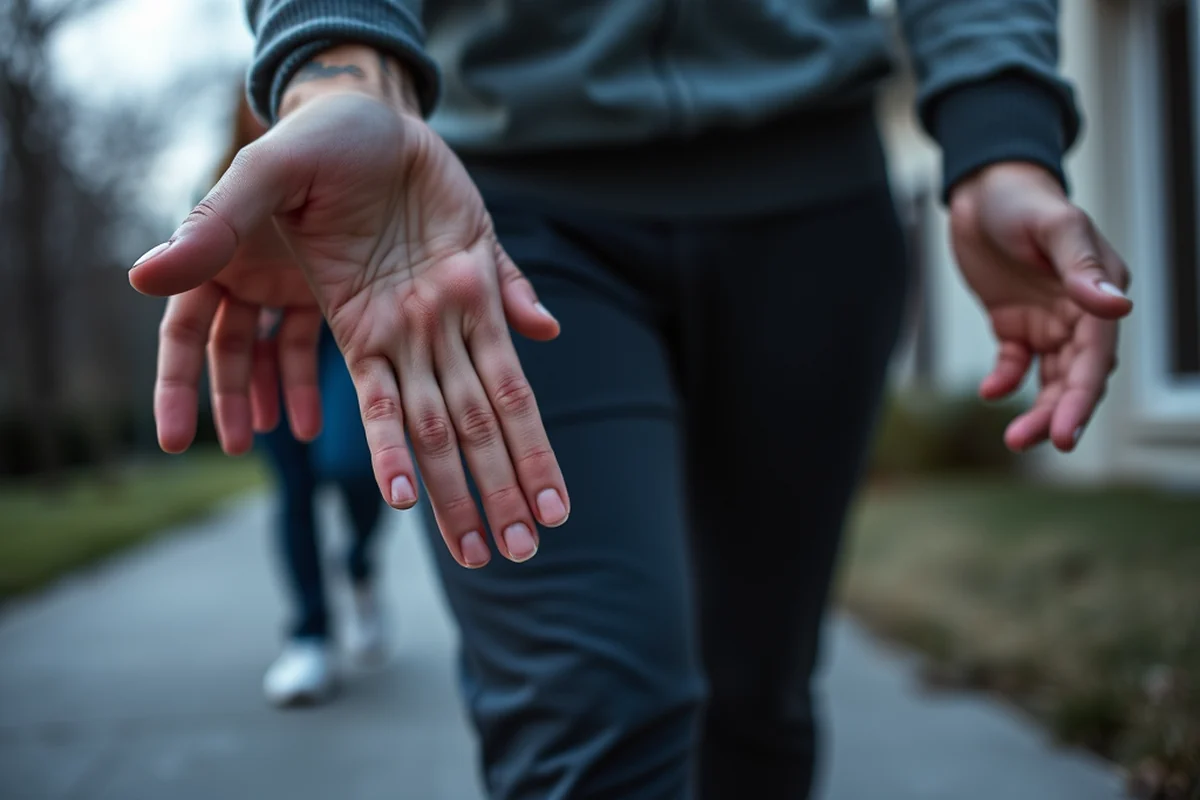
I set up my home gym in a corner of my living room using minimal equipment: a set of resistance bands, a few dumbbells (1–3 kg), and a sturdy chair. It took me about 30 minutes to organize everything, and the cost was under $25. The space is compact, but it allows me to train without leaving the house.[3]
When setting up, think about comfort and accessibility. Choose a flat, non-slip surface and make sure your equipment is within reach. I use a soft mat to protect my joints and reduce impact. It’s also important to have good lighting — I keep a lamp nearby to avoid straining my eyes during early morning sessions.
One of the benefits of training at home is the ability to personalize the environment. I’ve found that having a mirror helps me monitor my form, and having a small notepad nearby allows me to jot down notes or track progress. You can start with just a few items and build up over time.
A little space, a little time — and a lot of strength.
Related: Resistance bands hip exercises
Simple Bodyweight Exercises for Seniors
I start each session with a few minutes of light stretching to warm up my muscles. Then I move into bodyweight exercises like wall push-ups, seated leg lifts, and seated marches. These exercises are low-impact and focus on improving flexibility, strength, and balance.
Wall push-ups are a great alternative to traditional push-ups. I place my hands on a wall about shoulder-width apart and slowly move my body forward and backward. This helps work my chest, shoulders, and triceps without putting strain on my joints. I usually do three sets of 10–15 repetitions.[4]
Seated leg lifts are another staple in my routine. I sit in a sturdy chair with my back straight and slowly lift one leg at a time. This exercise targets the lower body and helps improve balance. I’ve found that after a few weeks of doing this, I can stand up from a chair with much more ease.
Always use a stable chair when performing seated exercises. This ensures safety and allows for better form.
“I was 65 when I first tried resistance training at home.”— Wrist Friendly Resistance Training editors
Related: What resistance band for squats
The Role of Resistance Bands in Senior Training

I picked up a set of resistance bands on a whim, and I now use them almost every day. These bands are like elastic ropes that offer varying levels of resistance, making them ideal for seniors who may have mobility limitations or joint pain. They’re also lightweight and easy to store, which is a big plus for someone who likes to keep things organized.
Resistance bands can be used for a wide range of exercises, including bicep curls, leg extensions, and shoulder presses. I’ve found that they’re especially helpful for improving flexibility and range of motion. One of my favorite exercises is the band-assisted squat, which helps me work my legs without putting too much pressure on my knees.
Another benefit of resistance bands is that they can be used for seated or standing exercises. For example, I use them for seated rows to strengthen my back and improve posture. The bands allow me to adjust the resistance level based on my needs, which makes training more personalized and effective.
Related: Resistance bands yoga
How Often and How Long to Train
I train at least three times a week, each session lasting between 20 and 30 minutes. I’ve found that even short sessions can make a difference, especially when combined with proper rest and recovery. I focus on different muscle groups each day — one day for legs, another for upper body, and a third for core and balance.
It’s important to allow your muscles time to recover between sessions. I’ve learned that overtraining can lead to soreness and even injury, especially for seniors. I make sure to take at least one day off between training sessions and use that time for light stretching or walking.
I also track my progress by noting how I feel after each session. For example, I’ve noticed that I can do more repetitions of the same exercise over time, which is a clear sign that my muscles are getting stronger. I also measure my flexibility and balance, which are important indicators of overall fitness.
Related: Is resistance bands strength training
Staying Motivated and Tracking Progress
I keep a small notebook where I write down my workouts, how I feel during and after each session, and any changes I notice in my body. This helps me stay focused and reminds me of how far I’ve come. I also set small goals for myself, like being able to do 10 push-ups or standing up from a chair without using my arms.
I’ve found that variety helps keep things interesting. I rotate my exercises every few weeks to avoid boredom and keep my muscles challenged. For example, I recently added some balance exercises using a stability ball, which has helped improve my coordination and posture.
I also enjoy sharing my progress with friends and family. It’s a great way to stay accountable and get encouragement. I’ve noticed that even just talking about my workouts helps me stay consistent, especially on days when I feel less motivated.
Progress is not always linear — but it’s always worth it.
Related: Resistance bands for shoulder rehab
The Long-Term Benefits of Senior Resistance Training
Over the past year, I’ve noticed significant improvements in my overall health. I feel more energetic, my posture has improved, and I’ve even lost a few pounds without trying. My doctor has noticed a difference in my blood pressure and joint health, which is a big relief.
One of the most surprising benefits has been the improvement in my mental health. I used to feel anxious about losing my independence, but now I feel more confident in my abilities. Resistance training has become a way for me to take control of my health and my future.
I’ve also noticed that my friends and family have taken an interest in what I’m doing. Some of them have even started their own resistance training routines. It’s amazing how one person’s journey can inspire others to take action and make positive changes in their lives.
🧘 Beginner Routine
A low-impact, easy-to-follow routine with bodyweight exercises and minimal equipment, perfect for new seniors just starting out.
💰 Budget-Friendly Approach
A no-cost or low-cost training plan that uses household items and bodyweight exercises to build strength and improve mobility.
⚡ Fastest Results
A focused, high-intensity training approach that delivers quick results through short, effective workouts tailored for seniors.
🏋️ Advanced Senior Training
A more intense resistance training plan for seniors who are already experienced and looking to increase strength and endurance.
🔄 Maintenance Training
A routine designed for seniors who want to maintain their strength and fitness level without increasing intensity or difficulty.
| The mistake | Why it happens | The fix |
|---|---|---|
| Skipping the warm-up | Warming up is essential to prevent injuries and prepare your muscles for exercise. | Always spend 5–10 minutes on light stretching or walking before starting your workout. |
| Using too much weight too soon | This can lead to injury and discourage you from continuing your training. | Start with light weights or resistance bands and gradually increase the intensity as you build strength. |
| Ignoring proper form | Poor form can lead to muscle imbalances, pain, and injury. | Focus on maintaining correct posture and technique during each exercise. Consider using a mirror or recording yourself for feedback. |
| Training too frequently without rest | Overtraining can lead to muscle soreness, fatigue, and even injury. | Allow your muscles time to recover by taking at least one day off between training sessions. |
Resistance Training For Seniors At Home
Common Questions
What kind of equipment do I need for home resistance training?
How long should I train each day?
Can I do resistance training if I have joint pain?
How do I stay motivated when training at home?
References
- Strength Training Among Adults Aged >65 Years - CDC (cdc.gov)
- SilverSneakers | Live & On‑Demand Fitness Classes for Seniors (duncanvilletx.gov)
- Effects of Resistance Training in Older Adults at the Cellular Level (fau.edu)
- Resistance training by the numbers - Harvard Health (health.harvard.edu)
Cite this guide
Wrist Friendly Resistance Training (2026). Resistance Training For Seniors At Home. https://loadmend.com/resistance-training-for-seniors-at-home/
Feel free to cite or share this guide.
Wrist-Friendly Resistance Tool Matcher
Ranks resistance equipment by wrist-friendliness.
Open it free →