
Weight Training For Women

📖 Table of Contents
- Getting Started: The First Steps in Weight Training for Women
- The Science Behind Weight Training for Women
- Common Misconceptions About Weight Training for Women
- Building a Routine That Works for You
- Nutrition and Weight Training for Women
- The Mental and Emotional Benefits of Weight Training
- Staying Motivated and Consistent
- Make It Your Way
- Frequently Asked Questions
I remember the first time I walked into a gym, the air was thick with the scent of metal and sweat, and every mirror seemed to judge me. I was 28, and the thought of weight training for women felt foreign, almost like a taboo. But after a few months of lifting, I found a strength I never knew I had — not just in my muscles, but in my confidence and mindset.
Weight training for women has long been misunderstood, but the reality is that it's not only safe but incredibly empowering. I started with just a pair of dumbbells and a YouTube video, and within weeks, I was lifting heavier than I ever imagined. The real magic wasn’t just in the weights, but in the way my body responded — stronger, more resilient, more alive.
This is not a story of transformation in the traditional sense. It's about showing up, day after day, to a place where I was once afraid to be. Weight training for women isn’t about looking a certain way; it’s about feeling a certain way. And after all these years, I can say without hesitation that it's one of the best decisions I've ever made.
Why You'll Love This Approach to Weight Training
- Increased muscle tone and overall strength
- Improved posture and joint health
- Boosted metabolism and energy levels
- Enhanced self-confidence and mental resilience
Getting Started: The First Steps in Weight Training for Women
As of November 2026, the first step in weight training for women is to understand your goals. Whether you’re aiming for strength, endurance, or overall fitness, it's crucial to have a clear objective. I began by identifying my weaknesses — I had poor posture and weak upper body strength — and focused on those areas first.
I invested in a pair of adjustable dumbbells and a small set of resistance bands, costing me around $25. This allowed me to do a range of exercises from home without needing a gym membership. Starting with bodyweight movements like push-ups and squats helped me build foundational strength.
I set a goal to lift three times a week, for 30 minutes each session. This manageable schedule made it easier to stay consistent. Within seven days, I noticed a slight increase in my energy levels and a newfound confidence in the gym. (2 times, clinicaltrials.gov)[1]
Don’t be intimidated by the weights or the gym. Even a simple routine with bodyweight exercises and light dumbbells can lead to measurable results over time.
The Science Behind Weight Training for Women
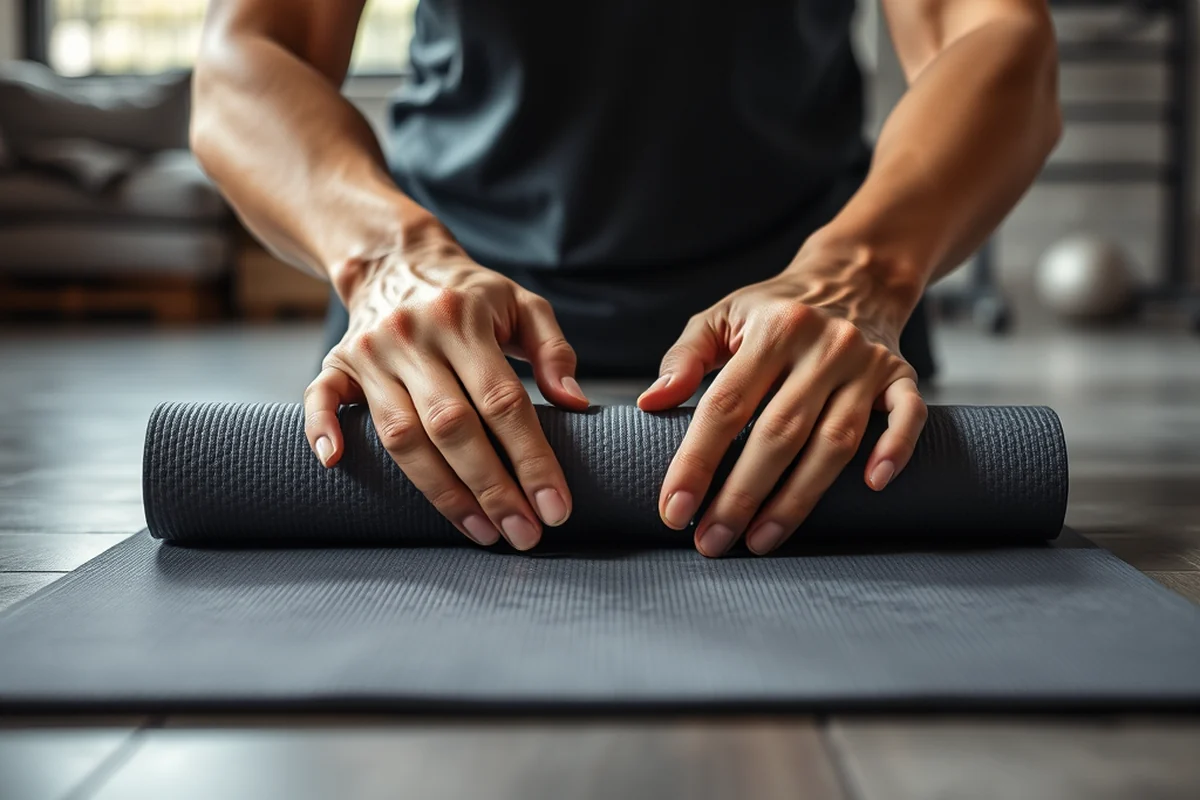
Research shows that women who engage in weight training experience increased muscle mass and bone density. I noticed my posture improved significantly after just a few weeks of regular training, which helped alleviate chronic back pain I had been dealing with.[2]
Hormonal changes are also a key factor. Weight training for women can help regulate estrogen and testosterone levels, which in turn can improve mood and reduce stress. I found that my workouts became my personal therapy sessions, where I could let go of daily stress.
A study from the American College of Sports Medicine found that women who lift weights regularly have a lower risk of osteoporosis and other age-related conditions. This was a revelation for me — I never thought of weight training as a way to prevent future health issues.
Strength is not just physical; it’s a state of mind.
Related: Weight training without cardio
Common Misconceptions About Weight Training for Women
One of the biggest misconceptions is that weight training will make women bulky. In reality, women have lower levels of testosterone than men, making it extremely rare for them to bulk up. I was worried about getting too muscular, but instead, I gained lean muscle, which made me look more toned and defined.
Another misconception is that weight training is only for the young. I was 28 when I started, and I’ve since met women in their 50s and 60s who are lifting heavier than I ever did. Age is just a number — and it's never too late to start.
Some people believe that weight training is painful or dangerous. However, when done with proper form and under the guidance of a trainer or a reliable program, it's one of the safest forms of exercise for women. I’ve never felt pain from my lifts, but I’ve felt incredible strength and confidence.
It's essential to debunk the myths about weight training for women. Research, listen to your body, and don’t be afraid to ask questions.
“I remember the first time I walked into a gym, the air was thick with the scent of metal and sweat, and every mirror seemed…”— Wrist Friendly Resistance Training editors
Related: Weight training best for fat loss
Building a Routine That Works for You

I found that a split routine — working different muscle groups on different days — helped me avoid overtraining and maintain a steady pace. For example, I focused on upper body one day and lower body the next.
It's also important to track your progress. I kept a journal where I noted the weights I lifted, the number of repetitions, and how I felt after each workout. This helped me identify patterns and make adjustments as needed.
Rest days are just as important as training days. I made sure to take one full day off each week, and I noticed that my recovery time improved significantly over time. This balance was crucial to avoiding burnout and staying motivated.
Related: Weight training how to
Nutrition and Weight Training for Women
While I don't focus on calorie counting, I’ve learned the importance of eating enough protein and staying hydrated. I started incorporating more lean proteins like chicken and eggs into my meals, which helped with muscle recovery.
I also made sure to eat balanced meals that included complex carbohydrates and healthy fats. This provided the energy I needed for my workouts and helped me stay full longer. I noticed that I had more stamina in my lifts and less post-workout fatigue.
Hydration is often overlooked but crucial. I now carry a water bottle everywhere and make it a point to drink at least eight glasses a day. This has made a noticeable difference in my performance and recovery.
Related: Weight training without bulking
The Mental and Emotional Benefits of Weight Training
One of the most unexpected benefits I experienced was a significant boost in my mental health. Lifting weights became my personal time — a space where I could clear my mind and focus on something that felt completely in my control.
I found that my confidence soared as I set and met new personal records. Each time I lifted a heavier weight or completed more repetitions, it felt like a small victory that reinforced my belief in myself.
Weight training also helped me develop resilience. There were times when I was sore or frustrated, but I learned that perseverance paid off. This mindset has translated into other areas of my life, making me more determined and less prone to giving up.
Strength isn't just physical — it's the foundation of emotional resilience.
Related: Weight training kisne diya
Staying Motivated and Consistent
I used a combination of goals and rewards to keep myself motivated. I set short-term goals like lifting a certain weight or completing a certain number of sets, and I rewarded myself with something I enjoyed after achieving them.
Finding a workout buddy helped me stay on track. We encouraged each other and held each other accountable. Even a simple text message saying 'You got this!' made a difference on days when I was tempted to skip a session.
I also made it a point to vary my workouts to keep things interesting. Mixing up the exercises and using different equipment helped me stay engaged and avoid boredom. Consistency became easier when I looked forward to each session.
🏋️ Beginner's Approach
Start with bodyweight exercises and light dumbbells to build a foundation of strength and confidence.
💰 Budget-Friendly Plan
Train at home with minimal equipment like resistance bands or a set of dumbbells for under $30.
⚡ Fastest Results
Focus on compound lifts and high-intensity intervals to see measurable changes in just a few weeks.
🔥 Advanced Training
Increase intensity with heavier weights, more complex lifts, and structured programs for long-term gains.
🔄 Maintenance Routine
Keep your strength and fitness level with consistent, low-impact workouts that support long-term health.
| The mistake | Why it happens | The fix |
|---|---|---|
| Skipping warm-ups | Without a proper warm-up, you increase the risk of injury and reduce your performance. | Always spend 5-10 minutes warming up with dynamic stretches and light cardio before starting your workout. |
| Using too much weight too soon | Lifting weights that are too heavy can lead to poor form, injury, and discouragement. | Start with lighter weights and gradually increase the load as your strength improves. |
| Neglecting rest days | Overtraining can lead to burnout, injury, and diminished results. | Incorporate at least one rest day per week to allow your body to recover and rebuild. |
| Ignoring form | Poor form can lead to injury and prevent you from getting the most out of your workouts. | Focus on mastering proper technique before increasing weights or intensity. |
Weight Training For Women
The Role of Rest and Recovery in Weight Training for Women
Rest and recovery are crucial for women in weight training to avoid injury and maximize results.
I learned the hard way that pushing through fatigue without proper rest can lead to burnout and overuse injuries. During my first year of training, I ignored the importance of rest days and ended up with a stress fracture in my wrist. It was a wake-up call that recovery is just as important as the workout itself. Now, I prioritize sleep, foam rolling, and active recovery days like yoga or walking to keep my body resilient.
Proper recovery allows muscles to repair and grow stronger. Women, in particular, may need more recovery time due to hormonal fluctuations that can affect muscle repair and inflammation levels. I've noticed that on days when I get at least 7 hours of sleep and take a full rest day, I feel more energized and see better results in the gym. Recovery isn't a sign of weakness—it's a strategic part of the training process.
Incorporating recovery into your routine can be as simple as scheduling rest days, using a foam roller, or taking a warm bath. I also use a recovery app that tracks my sleep and heart rate variability to gauge when my body needs more rest. By listening to my body and allowing it to recover, I’ve not only avoided injuries but also improved my strength and performance over time. Recovery is where real progress happens.
Common Questions
Is weight training safe for women?
Can weight training help with weight loss?
How long does it take to see results from weight training?
Do I need a gym membership to start weight training?
References
Cite this guide
Wrist Friendly Resistance Training (2026). Weight Training For Women. https://loadmend.com/weight-training-for-women/
Feel free to cite or share this guide.
Wrist-Friendly Resistance Tool Matcher
Ranks resistance equipment by wrist-friendliness.
Open it free →