
What Are The Resistance Training

📖 Table of Contents
The first time I picked up a dumbbell, I was 24 and convinced that resistance training was for people with six-pack abs and gym memberships. I was wrong. That day, I lifted a 5-pound weight and felt something shift in my body — not just muscle, but something deeper. Resistance training, I learned, wasn’t about looking a certain way. It was about feeling stronger, more capable, and more connected to my body. And what are the resistance training techniques that made that change possible? That’s what I wanted to explore, and what I’ve come to understand through years of trial, error, and sweat.[1]
Resistance training, at its core, is the act of moving your body against resistance — whether that’s dumbbells, resistance bands, bodyweight, or even your own body’s weight. It’s not just about bulking up; it’s about building functional strength that translates to everyday life. I remember the first time I did a push-up — my hands slipped, my arms burned, and I collapsed onto the floor, exhausted. But that was the beginning of something. What are the resistance training methods that can help you do the same? That’s what this article is about — the real, unfiltered, practical guide to understanding, trying, and mastering resistance training.
Over the years, I’ve learned that resistance training is not a one-size-fits-all approach. It’s about finding what works for you, your goals, and your body. I’ve tried kettlebells, bodyweight circuits, and even resistance bands on my legs, and each has left a different mark. What are the resistance training options that have made the most impact on my life? That’s what I want to share. Whether you’re a beginner or a seasoned athlete, this article will help you understand the fundamentals, avoid common mistakes. Start building the strength you need — no matter where you are in your journey.
Why You'll Love This Approach To Resistance Training
- Improves joint health and mobility
- Boosts muscle endurance and strength
- Enhances overall body composition
- Increases confidence in daily activities
What Is Resistance Training, Really?
As of November 2026, Resistance training is the act of moving your body against resistance, whether it's through weights, resistance bands, or even your own body weight. It’s not about how much you can lift, but how well your muscles can handle the load. I remember the first time I did a set of squats with a barbell — the weight felt like a ton, but after a few reps, my muscles started to burn in a good way. Resistance training is about controlled movements, proper form, and consistency.
The key to resistance training lies in the tension you create in your muscles. When you lift, hold, or move against resistance, your muscles contract and build strength. This is why resistance training is so effective — it targets all major muscle groups and helps improve balance, coordination, and posture. I’ve noticed a huge difference in how I move after just a few weeks of regular resistance training.
One of the best parts of resistance training is its versatility. You can do it at home, in a gym, or even outdoors. You don’t need a lot of equipment — a pair of dumbbells, a resistance band, and your own body weight are enough to get started. Resistance training can be adapted to suit any fitness level, which makes it accessible to everyone.
If you're new to resistance training, begin with bodyweight exercises like push-ups, squats, and planks. They’re free and effective for building foundational strength.
The Science Behind Resistance Training
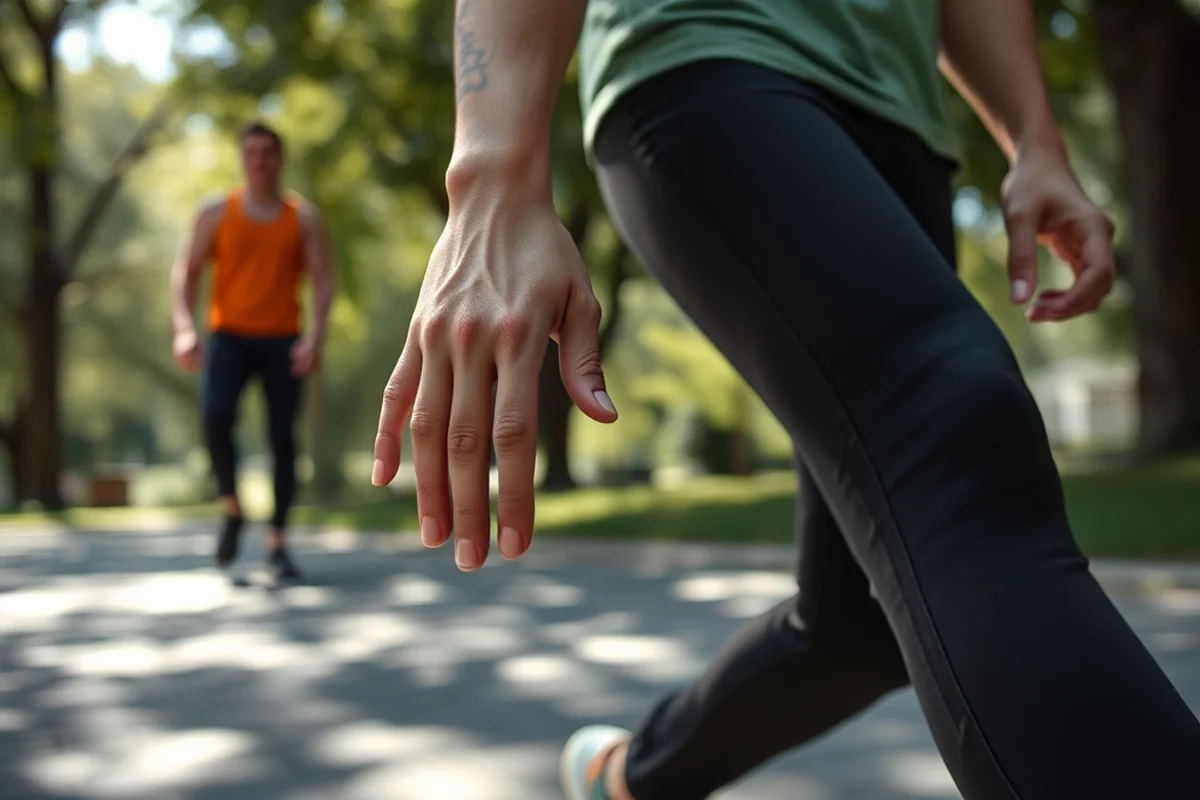
Resistance training isn’t just about making your muscles bigger — it’s about making them stronger and more resilient. When you lift weights or push against resistance, your muscles experience microtears that repair and grow stronger over time. This process is called muscle protein synthesis, and it’s what makes resistance training so effective for building strength and endurance.
I remember reading a study that said people who do resistance training regularly have stronger bones and lower rates of osteoporosis. That’s why I started incorporating resistance training into my routine — not just for muscle, but for bone health. Resistance training also improves joint stability and reduces the risk of injury by strengthening the muscles around your joints.
Another benefit of resistance training is that it increases your resting metabolic rate, meaning you burn more calories even when you’re at rest. I’ve noticed that after a few weeks of resistance training, I feel more energized and have more stamina throughout the day. The science behind resistance training is clear: it’s not just about lifting weights — it’s about building a stronger, healthier you.
Resistance training is the foundation of a strong, healthy body.
Related: Resistance training diabetes canada
Types Of Resistance Training
There are several types of resistance training, each with its own unique benefits. Free weights like dumbbells and barbells are great for building strength and improving coordination. Resistance bands are lightweight and portable, making them ideal for home workouts. Bodyweight exercises like push-ups and squats are accessible to everyone and require no equipment. I’ve tried all of them and found that each type of resistance training has a different effect on my body.
I remember the first time I used resistance bands — they felt almost too easy, but after a few weeks, I noticed that my muscles were working harder than ever before. Resistance bands are great for increasing range of motion and targeting specific muscle groups. Free weights, on the other hand, are ideal for building muscle mass and strength. I’ve found that combining different types of resistance training gives me the best results.
Machines are another option, especially for beginners who are still learning proper form. They provide stability and guidance, which can help prevent injuries. I’ve used machines at the gym to target specific muscles like the chest and back. While machines are effective, they can sometimes limit your range of motion compared to free weights or bodyweight exercises.
To get the most out of resistance training, try combining different types of exercises — weights, bands, and bodyweight — for a well-rounded workout.
“The first time I picked up a dumbbell, I was 24 and convinced that resistance training was for people with six-pack abs and gym memberships.”— Wrist Friendly Resistance Training editors
Related: Can you resistance training every day
Getting Started With Resistance Training
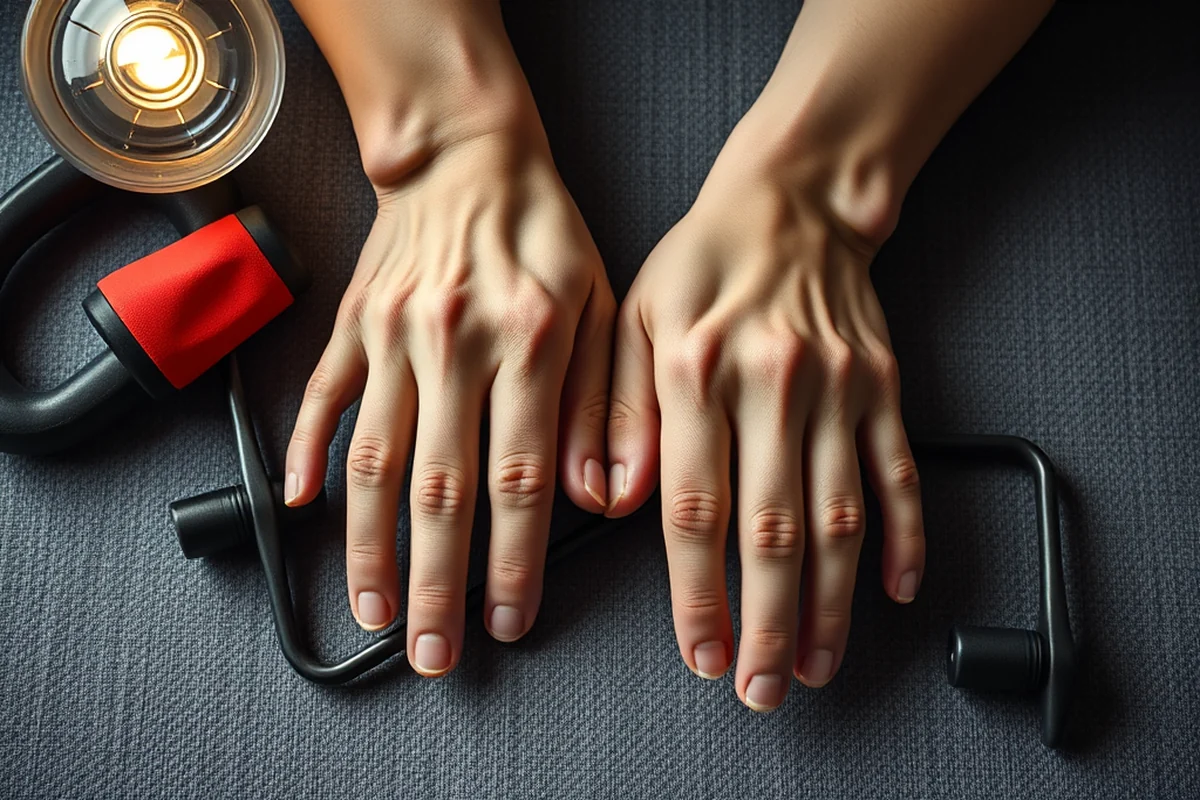
If you're new to resistance training, it's important to start slowly and focus on proper form. I remember my first time at the gym — I was so nervous that I didn’t even know where to begin. But once I found a beginner’s class, I learned how to use the equipment and get the most out of my workouts.
To get started, you’ll need a few basic pieces of equipment. Dumbbells are a great starting point, and they come in a variety of weights. Resistance bands are another affordable option, and they’re perfect for home workouts. You don’t need a lot of equipment to get started — just a few dumbbells and a mat will give you everything you need.
Once you have your equipment, it's time to plan your workouts. I recommend starting with a full-body workout that targets all major muscle groups. This helps build strength and endurance. I’ve found that doing a full-body workout twice a week is enough to see improvements in my strength and fitness.
Related: Resistance training without protein
The Role Of Repetitions And Sets
Repetitions and sets are the foundation of resistance training. Repetitions (reps) are the number of times you perform an exercise in a row, while sets are the number of times you repeat a group of reps. I remember when I first started resistance training — I was confused about how many reps and sets to do. But after a few weeks, I learned that the number of reps and sets you do depends on your goals.
If your goal is to build muscle mass, you’ll want to do fewer reps with heavier weights. I’ve found that doing 6-8 reps with a heavy weight is the best way to build muscle. If your goal is to improve endurance, you’ll want to do more reps with lighter weights. I’ve noticed that doing 12-15 reps with a lighter weight helps improve my stamina and endurance.
It's also important to rest between sets. I’ve found that resting for 60-90 seconds between sets is enough to recover and perform the next set effectively. I remember the first time I did a set of 8 reps with a heavy weight — I was exhausted. After resting for a minute, I was able to do another set with the same weight. The right number of reps, sets, and rest is essential for making progress in resistance training.
Related: Resistance training can be provided by
The Importance Of Proper Form
Proper form is essential in resistance training — it’s the difference between making progress and getting injured. I remember the first time I did a squat with poor form — my knees caved in and I felt a sharp pain in my knee. That was a wake-up call. I realized that without proper form, even the simplest exercises can lead to injury.
Proper form involves keeping your back straight, engaging your core, and maintaining a neutral spine. I’ve learned that focusing on form is more important than lifting heavy weights. I’ve noticed that when I do exercises with proper form, I get better results and feel more confident in my movements.
I recommend starting with lighter weights and focusing on form before increasing the weight. This helps prevent injury and ensures that you’re performing each exercise correctly. I’ve found that practicing proper form is the key to making progress in resistance training and avoiding injuries.
Form over weight — always.
Related: Is resistance training safe
Tracking Progress In Resistance Training
Tracking your progress in resistance training is essential for staying motivated and seeing improvements over time. I remember when I first started resistance training — I had no idea how much I was improving. But once I started tracking my workouts, I was amazed by how much I had changed.
I recommend keeping a workout journal where you can record the exercises you do, the weights you use, and the number of reps and sets you complete. This helps you see your progress and make adjustments as needed. I’ve found that keeping a workout journal is the best way to track my progress and stay motivated.
You can also track your progress by taking photos of yourself at regular intervals. This helps you see how your body is changing over time. I’ve found that taking photos every few weeks is a great way to see improvements in my strength and fitness. Tracking your progress is essential for making sure you’re on the right path in resistance training.
🏋️ Beginner
Start with bodyweight exercises and light dumbbells to build foundational strength and confidence.
💰 Budget-Friendly
Use resistance bands, bodyweight, and household items to create a full workout at home without spending much.
🚀 Fastest Results
Combine high-intensity interval training (HIIT) with resistance training for rapid strength and fat loss.
💪 Advanced
Focus on heavy lifting, complex exercises, and progressive overload for maximum strength gains.
🔄 Maintenance
Keep your strength and fitness level by doing regular resistance training with lighter weights and higher reps.
| The mistake | Why it happens | The fix |
|---|---|---|
| Ignoring proper form | Ignoring proper form can lead to injury and reduce the effectiveness of your workouts. | Focus on form before increasing the weight. Start with lighter weights and practice each exercise slowly and carefully. |
| Overtraining | Overtraining can lead to burnout, fatigue, and injuries. | Allow your body to rest and recover between workouts. Aim for 2-3 days of rest per week and listen to your body’s signals. |
| Not varying your exercises | Doing the same exercises repeatedly can lead to plateaus and prevent muscle growth. | Incorporate a variety of exercises and target different muscle groups to keep your workouts challenging and effective. |
| Not tracking progress | Not tracking progress can make it difficult to see improvements and stay motivated. | Keep a workout journal or use a fitness app to track your exercises, weights, and sets. Take progress photos to see how your body changes over time. |
What Are The Resistance Training
Common Questions
Do I need a gym membership to do resistance training?
How often should I do resistance training?
Can resistance training help with weight loss?
What are the best exercises for beginners?
References
Cite this guide
Wrist Friendly Resistance Training (2026). What Are The Resistance Training. https://loadmend.com/what-are-the-resistance-training/
Feel free to cite or share this guide.
Wrist-Friendly Resistance Tool Matcher
Ranks resistance equipment by wrist-friendliness.
Open it free →