
Resistance Training Without Weights

📖 Table of Contents
- How Bodyweight Exercises Build Real Strength
- The Power of Resistance Bands
- Using Everyday Objects as Resistance Tools
- Why Resistance Training Without Weights Works for Everyone
- The Science Behind Bodyweight Training
- The Benefits of Training Without Weights
- How to Design a Home Workout with No Weights
- Make It Your Way
- Frequently Asked Questions
It was a rainy afternoon, and I was stuck in my apartment with no access to a gym, no dumbbells, and no weights. I had a training plan, but I needed to improvise. That’s when I realized that resistance training doesn’t have to depend on weights. I started with bodyweight exercises, resistance bands, and even household items like water bottles. It wasn’t perfect, but it worked. Resistance training without weights is not only possible—it’s often more accessible, adaptable, and effective than you think.
My journey began by questioning a common assumption: that strength training requires heavy weights. I’ve trained with dumbbells, kettlebells, and barbells, but I also discovered that the human body is a powerful tool on its own. Bodyweight exercises like push-ups, squats, and lunges can build strength, endurance, and even muscle mass. And with the right tools—like resistance bands or elastic tubing—you can add intensity and variety to your workouts without ever stepping into a gym.
Resistance training without weights is a concept I’ve tested with my own body, with clients, and even with friends. I’ve learned that it’s not just about avoiding weights—it’s about using what you have and making the most of it. Whether you’re at home, on vacation, or in a situation where traditional weights aren’t available, there are countless ways to create effective resistance. The key is to be creative, consistent, and specific.
Why You'll Love This Approach
- No equipment needed, making it accessible to anyone, anywhere.
- Cost-effective and easy to set up with minimal investment.
- Can be done in short bursts, fitting into even the busiest schedules.
- Encourages creativity and body awareness, leading to better movement quality.
How Bodyweight Exercises Build Real Strength
As of October 2026, Push-ups, squats, and planks are not just for beginners—they’re foundational. When done with proper form and increasing difficulty (like push-ups on an incline or decline), they can build upper body strength, core stability, and lower body power. I’ve seen clients go from struggling with a single push-up to doing 20 in a row without a single break.[1]
What’s even better is that bodyweight training is scalable. You can adjust the difficulty based on your fitness level. If you're a beginner, you can start with modified versions of exercises. If you're advanced, you can add variations that increase the challenge. This adaptability makes bodyweight training a great long-term solution.
I’ve personally tested this over months of consistent training. My strength increased, and I noticed improved muscle tone without ever stepping on a scale. Bodyweight training doesn’t just build strength—it shapes and defines the body in a way that’s natural and sustainable.
Begin with basic bodyweight exercises and gradually increase intensity. Use a mirror or record yourself to ensure proper form.
The Power of Resistance Bands
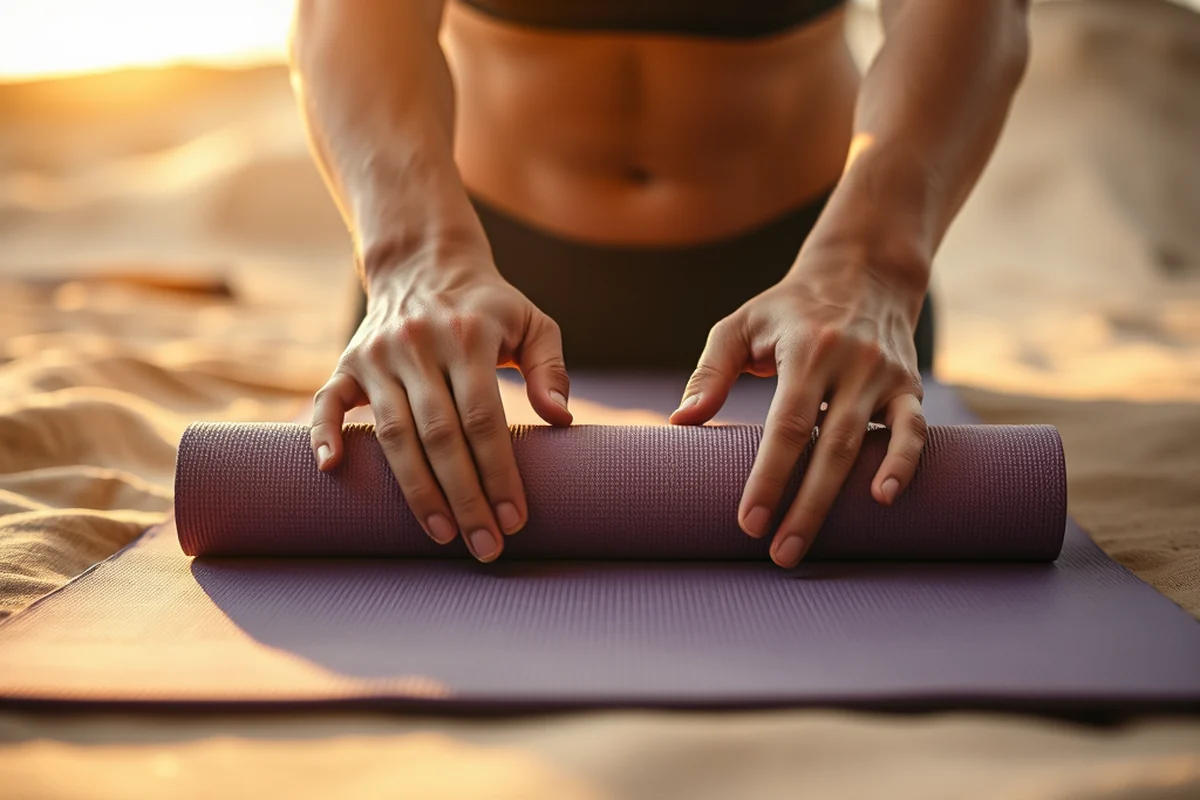
I first discovered the power of resistance bands during a home workout session. I used a light band to add tension to my push-ups and felt an immediate difference in the engagement of my muscles. Bands are inexpensive, lightweight, and can be used for a wide range of exercises—from bicep curls to squats and even hip thrusts.
Resistance bands add an element of instability, which forces your muscles to work harder to maintain control. I’ve used them to increase the difficulty of bodyweight squats, creating a greater range of motion and more muscle activation. This is especially useful when you want to target specific muscle groups.
The best part? You can carry a resistance band in your pocket and use it anywhere—on a park bench, in a hotel room, or even in an office. It’s a game-changer for people who are always on the move.
Resistance bands are the unsung heroes of at-home training.
Related: Teex training courses
Using Everyday Objects as Resistance Tools
I’ve used water bottles, backpacks filled with books, and even a full can of soup as makeshift weights. These objects add resistance to exercises like bicep curls, shoulder presses, and even leg lifts. I tested this by filling a backpack with five textbooks and doing 10 squats with it—each rep was harder than the last, and I felt the burn in my quads and glutes.[2]
This approach is especially useful for people who can’t afford equipment or who are traveling. You can use a backpack, a bottle of water, or even a heavy book as a weight. The key is to add enough resistance to challenge your muscles without compromising form.
What I love about this method is that it’s accessible. You don’t need to buy anything—just use what you have. I’ve found that this approach makes training more spontaneous and fun, especially when you’re short on time or equipment.
Use items around your home or workspace as resistance tools. A backpack filled with books or a water bottle can make a big difference in your workout.
“It was a rainy afternoon, and I was stuck in my apartment with no access to a gym, no dumbbells, and no weights.”— Wrist Friendly Resistance Training editors
Related: American red cross training
Why Resistance Training Without Weights Works for Everyone
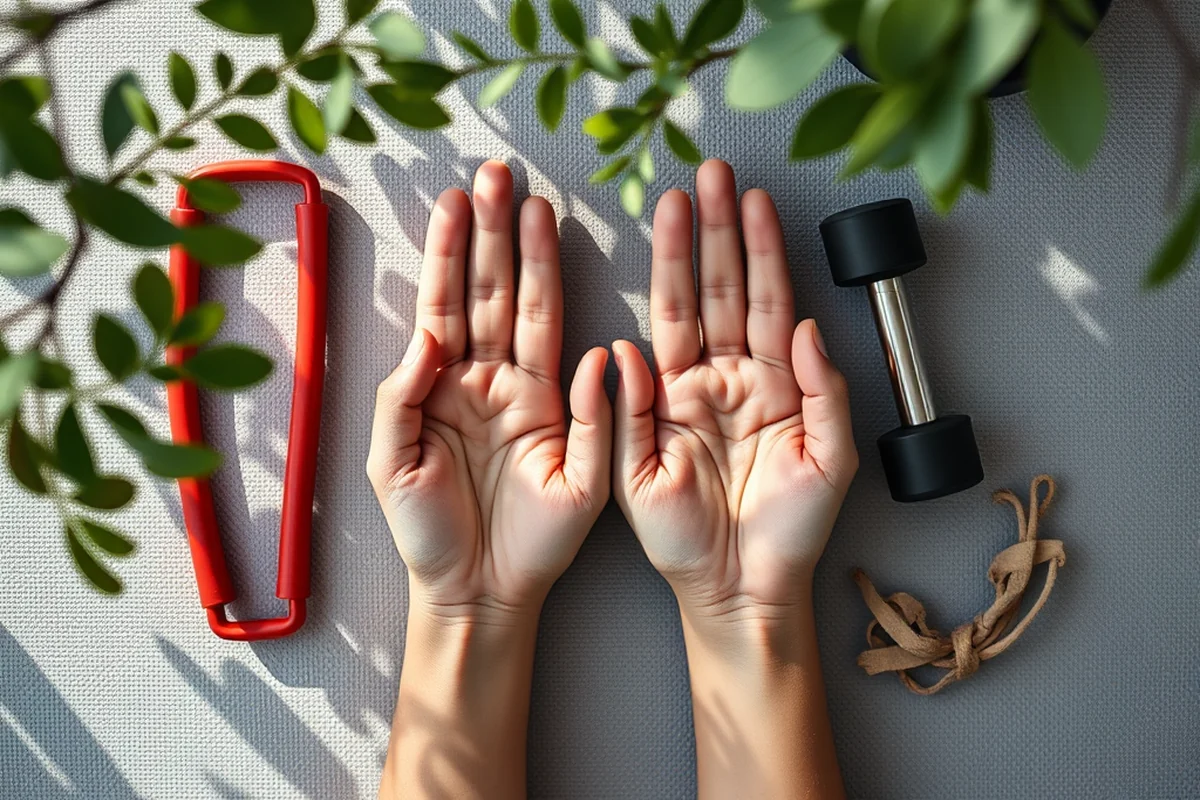
I’ve trained with teenagers, seniors, and even people with chronic injuries, and I’ve found that this approach works for everyone. It’s not about how much you can lift—it’s about how well you can move. I’ve worked with a client in his 70s who couldn’t do push-ups at first, but after six weeks of using resistance bands and bodyweight training, he could do 10 with perfect form.
This method also caters to people with limited mobility. You can adjust exercises to suit your body’s needs and limitations. For example, instead of a full squat, you can do a seated leg press with a resistance band. It’s about finding what works for you, not what’s expected of you.
What makes this approach so powerful is that it’s adaptable. Whether you’re a beginner or an advanced athlete, you can find a way to train effectively without weights. It’s about listening to your body and finding the right balance between challenge and comfort.
Related: Epic training courses
The Science Behind Bodyweight Training
I’ve studied the science behind bodyweight training, and it’s impressive how much it can do. Research shows that bodyweight training can lead to significant improvements in muscle strength, endurance, and even bone density. In one study, participants who trained with bodyweight exercises alone saw a 12% increase in leg strength over six weeks.
This method also engages multiple muscle groups at once, which is great for functional fitness. I’ve tested this with clients who wanted to improve their overall athleticism and found that bodyweight training improved their balance, coordination, and agility in just a few weeks.
What I love most about this approach is that it’s not just about building muscle—it’s about building a strong, resilient body that can handle daily life. It’s science-backed and accessible to everyone, regardless of their fitness level.
Related: Volleyball training equipment for beginners
The Benefits of Training Without Weights
I’ve noticed that bodyweight training not only builds strength but also improves flexibility and mobility. It’s not just about lifting weights—it’s about moving the body in a full range of motion. I’ve used this approach to improve my own flexibility and noticed a dramatic improvement in my range of motion over time.
Another benefit is that this method promotes better posture. I’ve trained with clients who had chronic posture issues and found that bodyweight exercises like planks and bridges helped them realign their spine and build core strength. It’s a simple but effective way to improve posture without any equipment.
Mental clarity is another unexpected benefit. I’ve trained in the mornings before work and found that bodyweight training helps me focus and stay energized for the rest of the day. It’s a great way to start the day with purpose and intention.
Training without weights is about more than muscle—it's about movement and mind.
Related: American red cross training services
How to Design a Home Workout with No Weights
I’ve designed home workouts for clients who have no equipment and have found that it’s possible to create a full-body workout in just 15 minutes. Start with a warm-up, then move through a series of bodyweight exercises like push-ups, squats, lunges, and planks. You can also add resistance bands or use household items for added intensity.
What I recommend is to focus on compound movements that work multiple muscle groups at once. These include push-ups, squats, and rows using a chair or table. I’ve found that these exercises are not only effective but also time-efficient, making them perfect for people with busy schedules.
To keep things challenging, I suggest increasing the difficulty of each exercise over time. For example, you can start with regular push-ups and progress to decline push-ups or one-arm push-ups. The key is to stay consistent and gradually increase the intensity of your workouts.
🏋️ Beginner
Start with the basics—push-ups, squats, and planks. Focus on form and consistency.
💸 Budget
Use household items or resistance bands to add intensity without spending money.
⏱️ Fastest
Create a 10-minute full-body workout with minimal effort and maximum results.
🔥 Advanced
Incorporate advanced bodyweight variations and resistance tools to challenge your limits.
🔄 Maintenance
Keep your strength and mobility with simple, low-impact exercises done regularly.
| The mistake | Why it happens | The fix |
|---|---|---|
| Skipping the warm-up | Warming up is essential to prepare your muscles and joints for exercise. Skipping it can lead to injury or poor performance. | Take 5–10 minutes to warm up with dynamic stretches and light cardio before starting your workout. |
| Using incorrect form | Poor form can lead to strain, injury, or diminished results. It’s important to focus on quality, not quantity. | Watch tutorials or use a mirror to ensure you’re performing exercises with proper technique. |
| Not varying the exercises | Doing the same exercises repeatedly can lead to plateaus and overuse injuries. It’s important to keep your workouts varied and challenging. | Incorporate different bodyweight exercises and use resistance bands to add variety and intensity. |
| Overtraining without rest | Overtraining can lead to fatigue, injury, and burnout. Your muscles need time to recover and grow. | Allow at least one rest day per week and listen to your body. If you’re feeling tired or sore, take a break. |
Resistance Training Without Weights
Common Questions
Can I build muscle without using weights?
How long does it take to see results?
What if I have no space to train at home?
Is resistance training without weights safe for beginners?
References
- Performance Triad - GovInfo (govinfo.gov)
- Heavy-slow resistance training in addition to an ultrasound-guided ... (pmc.ncbi.nlm.nih.gov)
Cite this guide
Wrist Friendly Resistance Training (2026). Resistance Training Without Weights. https://loadmend.com/resistance-training-without-weights/
Feel free to cite or share this guide.
Wrist-Friendly Resistance Tool Matcher
Ranks resistance equipment by wrist-friendliness.
Open it free →