
Why Is Resistance Training So Good For You

📖 Table of Contents
- Resistance Training Builds Real, Functional Strength
- It’s Not Just for the Gym — It’s for Everyday Life
- Boosts Your Metabolic Health and Longevity
- Improves Joint Health and Reduces Pain
- Mental Benefits Are Just as Powerful as Physical Ones
- Resistance Training Helps You Age Better
- It’s Accessible to Everyone, No Matter Your Fitness Level
- Make It Your Way
- Frequently Asked Questions
I used to think resistance training was just for bodybuilders — those folks with bulging biceps and grunts echoing through the gym. I was wrong. My first real experience with it came when I injured my knee during a hike, and the physical therapist handed me a set of resistance bands. I was skeptical, but after two weeks of using them, I noticed a subtle but meaningful shift in how my body moved. That was the moment I realized resistance training wasn't about building muscle for show; it was about building resilience for life.
The benefits of resistance training aren't abstract. They're concrete, like the way my grip strength improved enough to open a jar of pickles without straining my wrists. Or the way I noticed my posture straightening during a long meeting, as if my spine had a new spring in it. I’ve been doing this for over three years now. I can confirm: resistance training is so good for you because it touches every corner of your body and mind, from your joints to your confidence.
Why is resistance training so good for you? The answer isn’t just in the gym. It’s in how it reshapes your muscles, your metabolism, and even your mood. It’s in the way it helps you feel more capable, stronger. More in control of your body — not just on the day you lift, but in the everyday moments that define your health. I’ve seen it transform my own life, and I believe it can do the same for you.
Why You'll Love This Training Routine
- Improves muscle strength and joint stability
- Boosts metabolic health and longevity
- Enhances mental resilience and focus
- Reduces risk of injury in daily life
Resistance Training Builds Real, Functional Strength
As of November 2026, when I first started using resistance bands, I couldn’t lift a 10-pound weight without my arms shaking. Now, I can carry groceries, push a heavy suitcase, and even do pull-ups with ease. This kind of strength doesn’t just make you look strong — it makes you feel strong in the moments that matter, like when you’re climbing stairs or lifting something heavy for a friend.[1]
Functional strength is about more than just power. It’s about stability and control. The more you train, the better your joints move, and the more efficiently your body uses energy. This means you’re less likely to strain your muscles or twist your back while doing simple tasks.
I’ve noticed that even my balance has improved. When I walk on uneven ground or stand on one leg, I feel more confident. That’s because resistance training builds not just muscle, but coordination and proprioception — the body’s ability to sense its position in space.
Begin with bodyweight exercises or light resistance bands. Consistency is more important than intensity. Aim for 3 sessions per week and gradually increase the load.
Part of our Training bone guide.
It’s Not Just for the Gym — It’s for Everyday Life

One of the biggest surprises I had was how my daily tasks became easier. Things like carrying laundry, pushing a shopping cart, or even standing for long periods of time felt less taxing. That’s because resistance training builds muscle endurance and improves the way your muscles work together.
Your body is a machine, and resistance training is like giving it a tune-up. It helps your muscles become more efficient, which means you use less energy to do the same tasks. This is especially helpful as you age, when your muscles naturally start to weaken.
I’ve also noticed that I recover faster from physical activity. Whether I’m hiking, walking, or even just standing in line, my body feels more resilient. It’s like I’ve built a stronger foundation that supports everything else I do.
Resistance training is the unsung hero of everyday strength.
Related: Resistance training guide
Boosts Your Metabolic Health and Longevity
I never thought of resistance training as a way to improve my metabolism, but after a few months of regular training, I noticed my energy levels were more consistent. I wasn’t as prone to fatigue, and I felt more alert throughout the day. That’s because muscle tissue burns more calories at rest than fat tissue, which helps regulate your metabolism.
Studies have shown that people who do resistance training are less likely to develop metabolic diseases like type 2 diabetes. This is because the training helps your body use insulin more effectively, which regulates blood sugar levels. I’ve seen this in action — I used to get shaky mid-afternoon, but now I feel more stable all day.[2]
I’ve also noticed that I’m less stressed. There’s something about the physical challenge of resistance training that helps release tension. It’s not just about the body — it’s about the mind, too.
Keep a journal or use a fitness app to track your strength, reps, and how you feel each day. This helps you stay motivated and see improvements over time.
“I used to think resistance training was just for bodybuilders — those folks with bulging biceps and grunts echoing through the gym.”— Wrist Friendly Resistance Training editors
Related: Resistance training bone density
Improves Joint Health and Reduces Pain
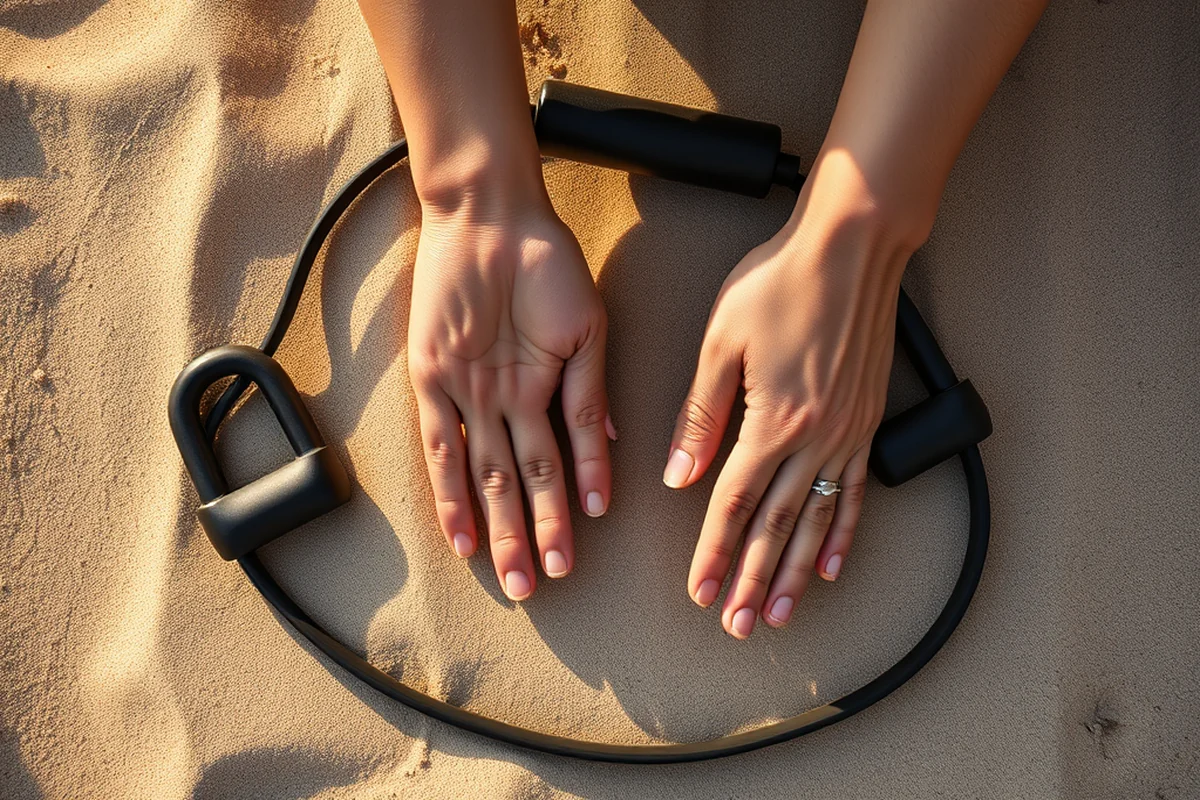
I used to have persistent knee pain from years of running. When I started using resistance bands, I was surprised to see that the pain gradually lessened. It wasn’t just because of the bands — it was because the training helped strengthen the muscles around my knee, which took pressure off the joint itself.
Your joints are supported by muscles, and the more you strengthen those muscles, the less stress your joints experience. This is especially important as you age, when cartilage naturally wears down and joints become more prone to pain and stiffness.
I also noticed that my range of motion improved. I used to struggle with simple movements like reaching back to tie my shoes or bending down to pick things up. Now, I can do those things with much more ease, thanks to the flexibility and strength I’ve built.
Related: Resistance training vs circuit training
Mental Benefits Are Just as Powerful as Physical Ones
There’s a unique kind of satisfaction that comes from completing a challenging set or reaching a personal best. It’s not just about the physical achievement — it’s about the mental shift that happens when you push through a tough workout. I’ve noticed that I feel more confident in other areas of my life, like at work or in social situations.
Studies have shown that resistance training can reduce symptoms of depression and anxiety. I’ve felt this myself — after a particularly stressful week, a session with the bands or weights leaves me feeling more centered and calm. It’s like the physical exertion helps clear my mind and reset my mood.[3]
I also find that I’m more focused and productive after a workout. It’s almost like a mental reset — the endorphins and neurotransmitters released during resistance training help you feel more alert and capable of tackling challenges.
Related: Resistance training guidelines update 2026
Resistance Training Helps You Age Better
As we age, our muscles and bones naturally weaken. This can lead to frailty, falls, and a reduced quality of life. Resistance training helps counteract this by preserving and even increasing muscle mass and bone density, which are essential for maintaining independence as you grow older.
I’ve seen this in action. Even though I’m not elderly yet, I’ve noticed that I move more efficiently and feel more stable on my feet. This is because the training has helped build a stronger foundation of muscle and bone.
In addition to physical benefits, resistance training can also help preserve cognitive function. I’ve noticed that my memory and focus have improved, which is something I didn’t expect when I first started training.
Resistance training is your secret weapon for graceful aging.
Related: Resistance training guidelines acsm
It’s Accessible to Everyone, No Matter Your Fitness Level
You don’t need a gym membership or expensive equipment to get started. I began with just a few resistance bands and a set of dumbbells, and that was enough to see real progress. This kind of training can be tailored to suit any level — from beginners to advanced lifters.
There are modifications for every movement, so even if you have an injury or chronic condition, you can still benefit from resistance training. It’s about finding the right approach that works for you and your body.
I’ve met people of all ages and fitness levels who’ve benefited from resistance training. Some are in their 60s and 70s, and they’ve told me that it’s one of the few exercises that still feels manageable and rewarding for them.
🏋️ Beginner’s Routine
Start with bodyweight squats, push-ups, and resistance bands. Focus on form and consistency over time.
💰 Budget-Friendly Approach
Use household items like water bottles or backpacks as weights. Resistance bands are a low-cost, high-impact tool.
⚡ Fastest Results
Combine resistance training with short, high-intensity intervals. Focus on compound movements like deadlifts and rows.
🔥 Advanced Training
Incorporate heavy lifting, progressive overload, and advanced techniques like supersets and drop sets.
🔄 Maintenance Mode
Keep your strength and mobility with light resistance training 2–3 times a week. Focus on balance and flexibility.
| The mistake | Why it happens | The fix |
|---|---|---|
| Skipping warm-up and cool-down routines | Skipping warm-ups and cool-downs can increase the risk of injury and reduce the effectiveness of your workout. | Always start with a 5–10 minute warm-up and end with 5–10 minutes of light stretching. |
| Using too much weight too soon | Using too much weight can lead to poor form, which increases the risk of injury and decreases the effectiveness of the exercise. | Start with lighter weights and gradually increase the load as your strength improves. |
| Not varying your exercises | Doing the same exercises repeatedly can lead to plateaus and overuse injuries. | Incorporate a variety of exercises and techniques to keep your workouts challenging and effective. |
| Neglecting rest days | Overtraining without rest can lead to burnout, fatigue, and injury. | Allow at least one full rest day per week and listen to your body’s signals for rest. |
Why Is Resistance Training So Good For You
Common Questions
Do I need a gym to do resistance training?
How long does it take to see results?
Can resistance training help with chronic pain?
Is resistance training safe for older adults?
References
- Effects of training with elastic resistance versus conventional ... - PMC (pmc.ncbi.nlm.nih.gov)
- Progression and Resistance Training - GovInfo (govinfo.gov)
- The Benefits of Strength and Resistance Training (digitalcommons.murraystate.edu)
Cite this guide
Wrist Friendly Resistance Training (2026). Why Is Resistance Training So Good For You. https://loadmend.com/why-is-resistance-training-so-good-for-you/
Feel free to cite or share this guide.
Wrist-Friendly Resistance Tool Matcher
Ranks resistance equipment by wrist-friendliness.
Open it free →