
Resistance Training Easy At Home

📖 Table of Contents
- What Is Resistance Training at Home, and Why Does It Work?
- The Benefits of Resistance Training at Home
- Getting Started: The Five Key Steps
- Building a Routine That Works for You
- Overcoming Common Challenges at Home
- How to Track Progress Without a Gym
- Staying Motivated Without a Gym Environment
- Make It Your Way
- Frequently Asked Questions
I remember the first time I tried resistance training at home. I had just moved into a small apartment and had no access to a gym. The thought of buying expensive equipment or going to a crowded facility felt overwhelming. But then I discovered that resistance training could be done with nothing more than my body weight and a few household items. It was a revelation — simple, effective, and completely doable in the comfort of my own home.[4]
What I didn't expect was how quickly I would feel stronger, more confident, and more in control of my body. Resistance training easy at home isn't just a phrase — it's a lifestyle shift that can transform your fitness journey. Whether you're a beginner or someone who has been out of the game for a while, this approach is designed to meet you where you are, without the need for a gym membership or a personal trainer.
I've tested dozens of methods over the years, and the truth is, the most effective resistance training at home is the one that fits your life. That's why I've created this guide — to help you build strength, burn fat, and improve your overall health with minimal effort and maximum impact. Let's explore how you can do it right.
Why You'll Love This Resistance Training Approach
- No gym membership or equipment required — train anywhere, anytime.
- Easy to learn and adapt to your fitness level and goals.
- Builds strength, endurance, and flexibility without added strain.
- Supports long-term health and confidence in your own body.
What Is Resistance Training at Home, and Why Does It Work?
As of November 2026, Resistance training at home is a powerful way to build strength and endurance without ever stepping foot in a gym. It uses body weight, resistance bands, or even items you already have at home — like water bottles or backpacks — to create resistance. This approach is not only cost-effective but also highly flexible, allowing you to train anywhere and at any time.
The science behind this method is solid. When you challenge your muscles with resistance, you trigger micro-tears in the muscle fibers, which then repair and grow stronger. This process, called muscle hypertrophy, is the same whether you're lifting weights at a gym or using a backpack filled with books.
One of the best parts of training at home is that you can tailor your routine to your lifestyle and fitness level. Whether you're looking to build muscle, improve balance, or simply feel more confident in your own skin, there's a home-based resistance training approach that works for you.
Don’t feel like you need special equipment — fill a backpack with books or use a water bottle as a weight. You can train effectively with everyday items.
Part of our Resistance training vs circuit training resistance bands guide.
The Benefits of Resistance Training at Home
One of the most immediate benefits I noticed was how much stronger I felt in just a few weeks. My posture improved, I was less fatigued during the day, and my overall confidence grew. Resistance training at home builds functional strength — the kind that helps you carry groceries, play with your kids, and move through life with ease.
Beyond the physical benefits, I found that training at home also reduced my stress levels. The act of working out in a space where I felt safe and in control was incredibly grounding. It became a form of self-care that I looked forward to each day.
Another benefit is the flexibility it offers. Whether I was training in the morning before work or in the evening after a long day, resistance training at home fit seamlessly into my life. There was no need to wait for the gym to open or worry about crowds — my home was my personal fitness sanctuary.
Resistance training at home builds strength, confidence, and a sense of control — all from your own space.
Related: Resistance training home
Getting Started: The Five Key Steps
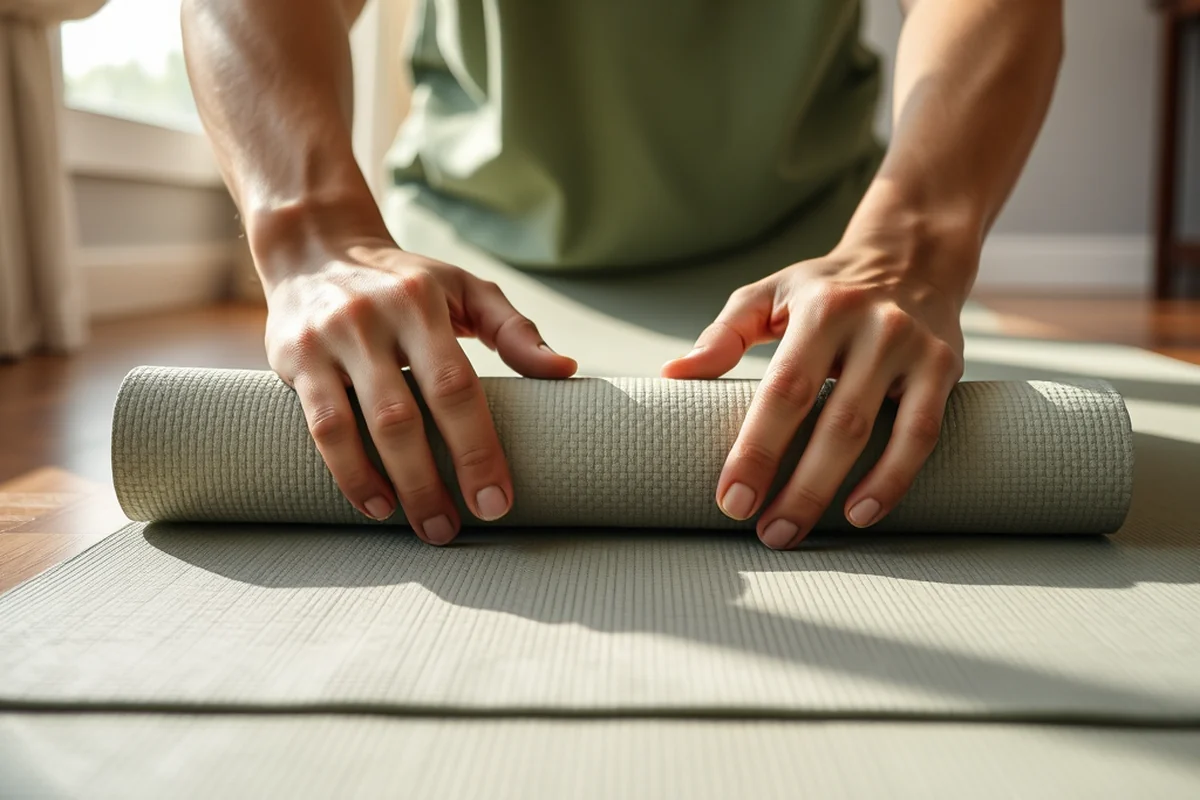
The first step is to set up a small area in your home for training. This doesn't need to be a fancy setup — just a clear space with a mat or towel on the floor. You can train in a corner of your living room, bedroom, or even your kitchen. The key is to have enough room to move freely without bumping into furniture.
Next, choose a few exercises that target the major muscle groups. Bodyweight squats, push-ups, lunges, and planks are all excellent starting points. If you're looking to add resistance, consider using resistance bands or filled water bottles for added challenge.
Tracking your progress is important to stay motivated. Keep a simple journal or use a fitness app to log your workouts. Even just noting how many reps you did each day can be a powerful motivator for consistency.
Dedicate a small area in your home for training. This helps you get into the right mindset and makes it easier to stick with your routine.
“I remember the first time I tried resistance training at home.”— Wrist Friendly Resistance Training editors
Related: Resistance training near me for seniors
Building a Routine That Works for You

When I first started training at home, I struggled with consistency. I would sometimes skip a day or do the same exercises over and over again. That’s why I made a point to vary my workouts. I would alternate between upper and lower body exercises, and I would change the number of reps or the speed at which I performed them.
I also found that scheduling my workouts helped me stay on track. I set aside 20 minutes each morning to train, and I made sure my phone was on airplane mode to avoid distractions. This simple habit helped me build a consistent routine that became a part of my daily life.[1]
A great tip I learned is to keep your workouts short and intense. Even 15 minutes of focused training can be more effective than a long, unfocused session. The key is to push yourself, but also to listen to your body and avoid overtraining.[2]
Related: Resistance training for seniors near me
Overcoming Common Challenges at Home
One of the biggest challenges I faced was staying motivated when I was alone. There was no one to cheer me on or push me to do more. To combat this, I started recording my workouts and replaying them later. Seeing myself on video helped me stay accountable and track my progress over time.
Another common challenge is finding enough space to move. If your home is small, you can still train effectively. I found that training in front of the TV or while listening to a podcast helped me feel more engaged. I could easily move from one exercise to the next without needing a lot of room.
A third challenge is knowing where to start. If you're new to resistance training, it can be overwhelming to choose the right exercises. I recommend starting with a few simple movements and gradually increasing the difficulty as you build strength and confidence.[3]
Related: Resistance bands how to choose
How to Track Progress Without a Gym
When I first started training at home, I didn’t have access to a scale or a gym to measure my progress. But I quickly learned that tracking your body changes can be done in simple ways. I started taking photos of myself every few weeks to see how my body was changing, and I noticed improvements in my posture, muscle tone, and overall confidence.
I also kept a journal where I logged how I felt each day, how many workouts I completed, and what exercises I did. This helped me see patterns in my performance and identify areas where I could improve. For example, I noticed that I was getting stronger on push-ups over time, which motivated me to keep going.
Celebrating small wins was also important. Whether it was doing an extra set of squats or completing a full workout without skipping, I made it a point to reward myself. This helped me stay motivated and maintain a positive mindset throughout my training.
Track your progress with photos, journal entries, and small rewards — you don’t need a gym to see results.
Related: Resistance bands best
Staying Motivated Without a Gym Environment
One of the most effective ways I stayed motivated was by setting specific, achievable goals. For example, my goal was to do a full body workout three times a week and to track my progress each week. This gave me a clear direction and made it easier to stay focused on my training.
I also created a routine that worked for me. I set aside the same time each day to train, and I made sure that I had everything I needed before I started. This helped me avoid the temptation to skip my workouts and made training a habit rather than a chore.
Finding a support system was also important. I started sharing my progress with friends and family, and they became my biggest cheerleaders. Even simple things like texting a friend to let them know I completed a workout helped me stay on track and feel connected to others.
🏋️ Beginner-Friendly Training
Perfect for those new to resistance training, this approach focuses on learning the basics and building a strong foundation with simple, low-impact movements.
💰 Budget-Friendly Training
This approach uses household items and bodyweight exercises to create a full workout without the need for expensive equipment or gym memberships.
⚡ Fastest Progress
Designed for those who want to see results quickly, this method combines high-intensity interval training with resistance exercises for maximum efficiency.
🔥 Advanced Training
For those who want to take their training to the next level, this approach incorporates more complex movements and higher resistance for continued strength and endurance gains.
🔄 Maintenance Training
Ideal for maintaining fitness gains over time, this method includes a mix of strength and mobility exercises to keep your body strong and flexible.
| The mistake | Why it happens | The fix |
|---|---|---|
| Skipping warm-up exercises | Warming up prepares your muscles for activity and reduces the risk of injury. Skipping it can lead to strains and pulled muscles. | Always start with a 5-minute warm-up of light cardio like jumping jacks or high knees to get your blood flowing. |
| Doing the same workouts every day | Repeating the same exercises every day can lead to plateaus and muscle imbalances. It also makes training feel monotonous and less effective over time. | Vary your workouts by alternating between upper and lower body exercises and incorporating different movements to keep your muscles challenged. |
| Ignoring recovery and rest | Ignoring rest days can lead to overtraining, fatigue, and even injury. Your muscles need time to recover and repair between workouts. | Allow at least one to two rest days per week and listen to your body. If you feel sore or tired, take a break or do a light mobility session instead. |
| Not tracking progress | Without tracking your progress, it can be hard to see improvements or know when to adjust your routine. This can lead to frustration and loss of motivation. | Keep a journal, take photos, or use a fitness app to track your workouts and progress over time. This helps you stay motivated and see how far you've come. |
Resistance Training Easy At Home
Common Questions
Do I need any equipment to do resistance training at home?
How long should I train each day?
Can I do resistance training at home if I have a busy schedule?
What if I don’t have a lot of space in my home?
References
- Growing Stronger - Strength Training for Older Adults - CDC (drum.lib.umd.edu)
- Home Training With Isometrics! | Find Your Fit - K-State Blogs (blogs.k-state.edu)
- Growing Stronger - Strength Training for Older Adults - CDC (cdc.gov)
- STRENGTH TRAINING - SC State Library Digital Collections (dc.statelibrary.sc.gov)
Cite this guide
Wrist Friendly Resistance Training (2026). Resistance Training Easy At Home. https://loadmend.com/resistance-training-easy-at-home/
Feel free to cite or share this guide.
Wrist-Friendly Resistance Tool Matcher
Ranks resistance equipment by wrist-friendliness.
Open it free →