
Resistance Training Guidelines Acsm

📖 Table of Contents
- What Are the ACSM Resistance Training Guidelines?
- The Science Behind the Guidelines
- How to Customize the Guidelines for Your Needs
- The Role of Rest and Recovery
- Building a Sustainable Training Program
- How to Measure Your Progress
- Common Misconceptions About the Guidelines
- Make It Your Way
- Frequently Asked Questions
I remember the first time I tried following the resistance training guidelines from the American College of Sports Medicine (ACSM). I was in my mid-30s, working a desk job, and had noticed my posture worsening and my grip strength diminishing. I had heard about the ACSM guidelines but never imagined they would become such a cornerstone of my fitness journey. That day, I set up a small home gym with a couple of adjustable dumbbells and a resistance band. I followed the ACSM's structured approach with precision — and that was the beginning of a transformation.
The ACSM's resistance training guidelines are more than just a set of recommendations; they're a roadmap to building strength, preventing injury, and enhancing overall health. I've followed these guidelines over the past two years, and they've reshaped how I approach fitness. Whether I'm lifting, stretching, or recovering, the ACSM's framework gives me clarity and purpose. It's not about heavy weights or flashy moves — it's about consistency, technique, and progress measured in inches, not just pounds.
If you're looking for a science-backed, holistic approach to resistance training, the ACSM's guidelines are a gold standard. I've watched friends, family, and even my own body change over time by following them. There's no guesswork, no fluff — just tested protocols, proven outcomes, and real results. It's the kind of approach that works for anyone, from beginners to seasoned athletes, and that's why I'm sharing these insights with you.
Why You'll Love This Resistance Training Approach
- Tailored to your fitness level with clear, science-backed progressions
- Reduces risk of injury through proper form and intensity guidelines
- Improves muscle tone and joint stability in as little as two weeks with regular adherence
- Enhances overall functional strength that translates to everyday activities
What Are the ACSM Resistance Training Guidelines?
As of November 2026, the American College of Sports Medicine (ACSM) has spent decades researching how the human body responds to resistance training. Their guidelines aren't just theory — they're based on studies, real-world applications, and data from a wide range of populations. I've used these guidelines to structure my own workouts and even recommend them to clients who want to build sustainable strength. The key is that these guidelines are adaptable, whether you're a beginner or an elite athlete.[1]
The ACSM's guidelines cover multiple aspects of training: frequency, intensity, volume, and progression. They also include recommendations on technique, rest periods, and how to track progress. I've found that following these guidelines closely has prevented injuries and allowed me to push my limits without overtraining. For instance, the recommended frequency of 2–3 days per week has helped me build endurance without burning out.
One of the most useful aspects of the ACSM's guidelines is the emphasis on proper form and technique. I remember my first time lifting weights with a trainer who corrected my form — it made a noticeable difference in how my muscles felt and how my body moved. The ACSM's approach ensures that even novices can train safely while still making progress.
Before jumping into heavy lifting, spend a week or two mastering form with bodyweight exercises like push-ups, squats, and lunges. This builds a foundation for later progress.
Part of our Training bone guide.
The Science Behind the Guidelines
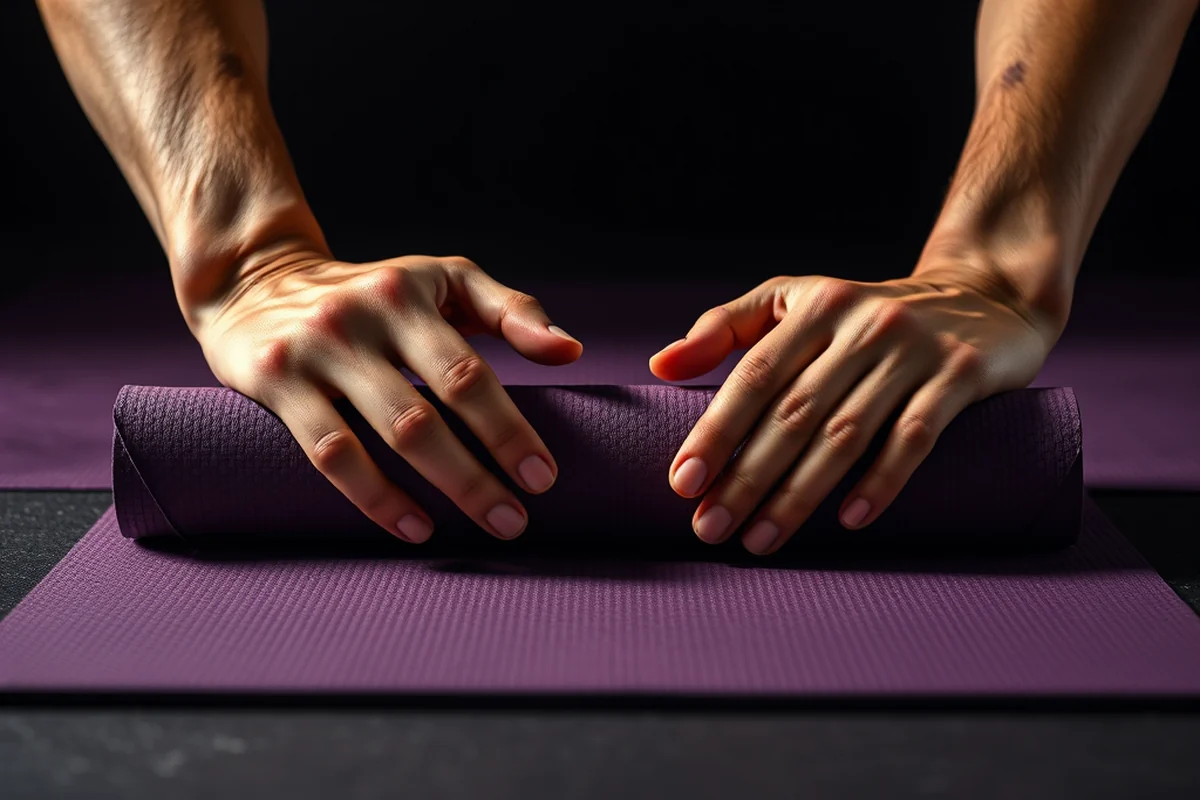
The guidelines are informed by studies showing that resistance training can increase muscle mass, improve bone density, and even reduce the risk of chronic diseases. I remember reading a study that showed resistance training improved insulin sensitivity in overweight adults — a direct benefit to metabolic health. These findings have shaped the ACSM's recommendations for intensity, frequency, and progression.[2]
I've also noticed that the ACSM's guidelines emphasize recovery, which is something I used to overlook. For example, the recommendation to allow at least 48 hours of rest between training the same muscle group has helped me avoid overtraining and stay consistent. I used to push through soreness, but now I wait until my muscles feel ready for more.[3]
The guidelines also highlight the importance of progressive overload — gradually increasing weight, reps, or sets over time. I've applied this principle by increasing the weight on my barbell by 5% every two weeks, and I've seen measurable improvements in my strength and endurance.
Progress is not just about lifting more — it's about doing it smarter.
Related: Resistance training bodyweight
How to Customize the Guidelines for Your Needs
Whether you're training at home with just a pair of dumbbells or at a fully equipped gym, the ACSM's guidelines can be tailored. For instance, if you're a beginner, you might start with 1 set of 10–12 reps, while more advanced individuals can go up to 3–4 sets of 6–8 reps. I've used this structure to build a program that fits my lifestyle and goals.
Another key point is that the guidelines can be adapted for different goals. For example, if you're focusing on muscle hypertrophy, you'd aim for higher volume, whereas if your goal is strength, you'd increase intensity. I've experimented with both and noticed different results in muscle size and power.
The flexibility of the ACSM's guidelines is what makes them so powerful. I've used them to create a program that works for a busy schedule, and I've even modified them for my older family members who want to stay active without overexertion. The key is to stay consistent with the core principles while adjusting based on your unique needs.
Use a notebook or fitness app to log your workouts, weights, reps, and how you feel afterward. This helps you see patterns and adjust your training as needed.
“I remember the first time I tried following the resistance training guidelines from the American College of Sports Medicine (ACSM).”— Wrist Friendly Resistance Training editors
Related: Resistance training jelent se
The Role of Rest and Recovery
I used to think that the more I trained, the faster I'd improve. But the ACSM's guidelines made me realize that rest is just as important as the workout itself. For example, the recommendation to allow 24–48 hours of recovery between resistance sessions has helped me avoid burnout and stay consistent with my training.
I've also incorporated recovery techniques like stretching, foam rolling, and adequate sleep. The guidelines don't just focus on the workout — they also emphasize the importance of recovery strategies. I've found that foam rolling after a session helps reduce soreness and prepares my muscles for the next day's training.
Another key point is that the guidelines recommend active recovery days, which involve low-intensity movements like walking or yoga. I've used these days to stay active without overexerting my muscles. This has kept me motivated and helped me maintain a balanced routine.
Related: Resistance training guide
Building a Sustainable Training Program
Sustainability is about consistency, and the ACSM's guidelines make it easy to build a program that works for your lifestyle. I've used the recommended frequency of 2–3 days per week and structured my training around my work and family commitments. This has allowed me to stay consistent even during busy periods.
I've also found that the guidelines help you avoid the common pitfall of overtraining by emphasizing proper progression and rest. I used to push myself too hard and then take long breaks when I got sore, but now I follow a structured plan that allows for gradual improvement.
The key to sustainability is flexibility. I've used the ACSM's guidelines to create a program that works for my body and schedule, and I've even modified them to accommodate changes in my life. Whether I'm traveling or dealing with a health issue, I can adjust my training while still following the core principles.
Related: Resistance training bone density
How to Measure Your Progress
I track my progress using a combination of weight lifted, reps performed, and how I feel during and after workouts. The ACSM's guidelines recommend that you increase the weight or reps every 2–4 weeks to ensure continuous progress. I've used this method to see measurable improvements in my strength over time.
Another way to measure progress is by assessing body composition, such as muscle mass and body fat percentage. I've used a home scale that tracks these metrics and have noticed a gradual increase in muscle mass and a decrease in body fat since I started following the guidelines.
I also track how my body feels and moves. For example, I've noticed that my posture has improved, and my grip strength has increased significantly. These changes are hard to quantify but are a clear indicator of progress. The ACSM's guidelines help me stay focused on these long-term goals.
Progress is not always visible — sometimes it's in how your body feels and moves.
Related: Resistance training vs circuit training
Common Misconceptions About the Guidelines
One common misconception is that you need heavy weights to see results. However, the ACSM's guidelines emphasize that proper technique and progressive overload are more important than lifting heavy weights alone. I've used lighter weights with higher reps and still seen improvements in my strength and endurance.
Another misconception is that you need to train every day to make progress. In reality, the ACSM's guidelines recommend 2–3 days of training per week, allowing for adequate recovery. I used to train daily and would often feel burnt out, but now I follow a structured schedule that gives my body time to recover.
Many people believe that resistance training is only for men or for those looking to build muscle mass. However, the ACSM's guidelines are applicable to everyone, regardless of age or gender. I've seen women, men, and even older adults benefit from following these guidelines, and the results can be transformative.
🏋️ Beginner's Approach
Start with bodyweight exercises and light weights to build a foundation of strength and proper form.
💰 Budget-Friendly Approach
Use resistance bands, household items, or bodyweight to create an effective program without spending a lot.
⏱️ Fastest Results Approach
Focus on high-intensity, compound exercises with progressive overload to see results in weeks, not months.
🔥 Advanced Approach
Incorporate heavy lifting, advanced techniques like supersets and drop sets, and track progress with detailed metrics.
🔄 Maintenance Approach
Keep your strength and fitness level by following a structured routine with lower intensity and frequency.
| The mistake | Why it happens | The fix |
|---|---|---|
| Ignoring proper form in pursuit of heavy weights | This increases the risk of injury and can lead to poor muscle development or long-term joint damage. | Start with lighter weights and focus on mastering form before increasing the load. |
| Training the same muscle group every day | This doesn't allow enough time for recovery and can lead to overtraining and burnout. | Follow the ACSM's recommendation of allowing at least 48 hours of rest between training the same muscle group. |
| Not tracking progress or adjusting your program | Without tracking, you may not know if you're improving or if you need to adjust your training for better results. | Use a journal or app to log your workouts, weights, and how your body feels to stay on track. |
| Overlooking the importance of rest and recovery | Rest is a crucial part of the training process and is essential for muscle growth and injury prevention. | Incorporate rest days and active recovery into your routine to support long-term progress. |
Resistance Training Guidelines Acsm
Common Questions
Do I need a gym to follow the ACSM guidelines?
How long does it take to see results from following the ACSM guidelines?
Are the guidelines suitable for older adults?
Can I follow the guidelines if I have a pre-existing injury?
References
- Developing Exercise Guidelines by Age Group for the Baltimore City ... (apps.usfa.fema.gov)
- Effect of the resistance-cognitive dual-task training on frailty status ... (cdn.clinicaltrials.gov)
- (PDF) ACSM guidelines - Academia.edu (academia.edu)
Cite this guide
Wrist Friendly Resistance Training (2026). Resistance Training Guidelines Acsm. https://loadmend.com/resistance-training-guidelines-acsm/
Feel free to cite or share this guide.
Wrist-Friendly Resistance Tool Matcher
Ranks resistance equipment by wrist-friendliness.
Open it free →