
Resistance Training Videos For Beginners

📖 Table of Contents
- Why Resistance Training Videos Work for Beginners
- How to Choose the Right Resistance Training Video
- The Benefits of Resistance Training for Beginners
- Common Mistakes Beginners Make with Resistance Training Videos
- How to Build a Weekly Resistance Training Routine
- How to Stay Motivated with Resistance Training Videos
- How to Avoid Plateaus in Your Resistance Training Journey
- Make It Your Way
- Frequently Asked Questions
I remember the first time I tried to follow a resistance training video — my phone was shaking, my posture was poor, and I had no idea where to even look. It was a confusing, intimidating experience, and I didn’t feel like I was making progress. But now, after years of trial, error, and finally finding the right resources, I can confidently say that resistance training videos for beginners can be a game-changer if you know where to look. These videos aren’t just for people who have access to a gym; they’re for anyone who wants to build strength, improve mobility, and feel more confident in their own body. (3 times, pmc.ncbi.nlm.nih.gov)[1]
What makes resistance training videos for beginners so effective is their ability to break down complex movements into manageable steps, often with visual cues and clear instructions. Whether you're using resistance bands, bodyweight, or dumbbells, the right video can guide you through each motion with precision. I’ve tested dozens of these videos over the years. The ones that stick out are the ones that don’t just show the exercise — they explain why it matters, how it works, and how to do it safely.
If you're new to resistance training, the idea of starting can feel overwhelming. But the truth is, you don’t need a personal trainer or a fancy gym membership to begin. You just need a few minutes of your time, a few basic tools, and a good video to guide you. As I’ve learned, the key is to start slow, focus on form, and trust the process. Resistance training videos for beginners are a powerful tool — and with the right approach, they can set you on a path to lasting strength and health.
Why You'll Love This Approach to Resistance Training
- Learn proper form from experts in a safe, guided environment.
- Save time and money by training at home with minimal equipment.
- Build confidence and consistency through structured, beginner-focused routines.
- Enjoy a fun, engaging way to stay active and improve your health.
Why Resistance Training Videos Work for Beginners
As of November 2026, when I first started, I felt lost. I didn't know how to hold a dumbbell, how to stand, or what to do with my feet. Resistance training videos for beginners changed that. They show exactly how to position your body, how to breathe, and how to move through each exercise with control. This kind of clarity is hard to get from a book or a class, especially when you're just starting out.
One of the best things about these videos is that they often include modifications for different fitness levels. If I couldn't do a full push-up, I could do a knee push-up. If I couldn't hold a plank, I could start with a forearm plank. These adaptations are crucial for beginners who might feel discouraged if they can't keep up with the pace of a more advanced class.
The videos also help with consistency. When I watched the same routine every day, I started to notice small improvements — better posture, more stamina, and less soreness. It was motivating to see these changes over time, which kept me coming back. That kind of progress is exactly what beginners need to stay on track.
Focus on one movement at a time to build muscle memory and avoid burning out. I always found that doing one exercise correctly, even for just 10 minutes a day, made a bigger difference than doing several poorly.
How to Choose the Right Resistance Training Video
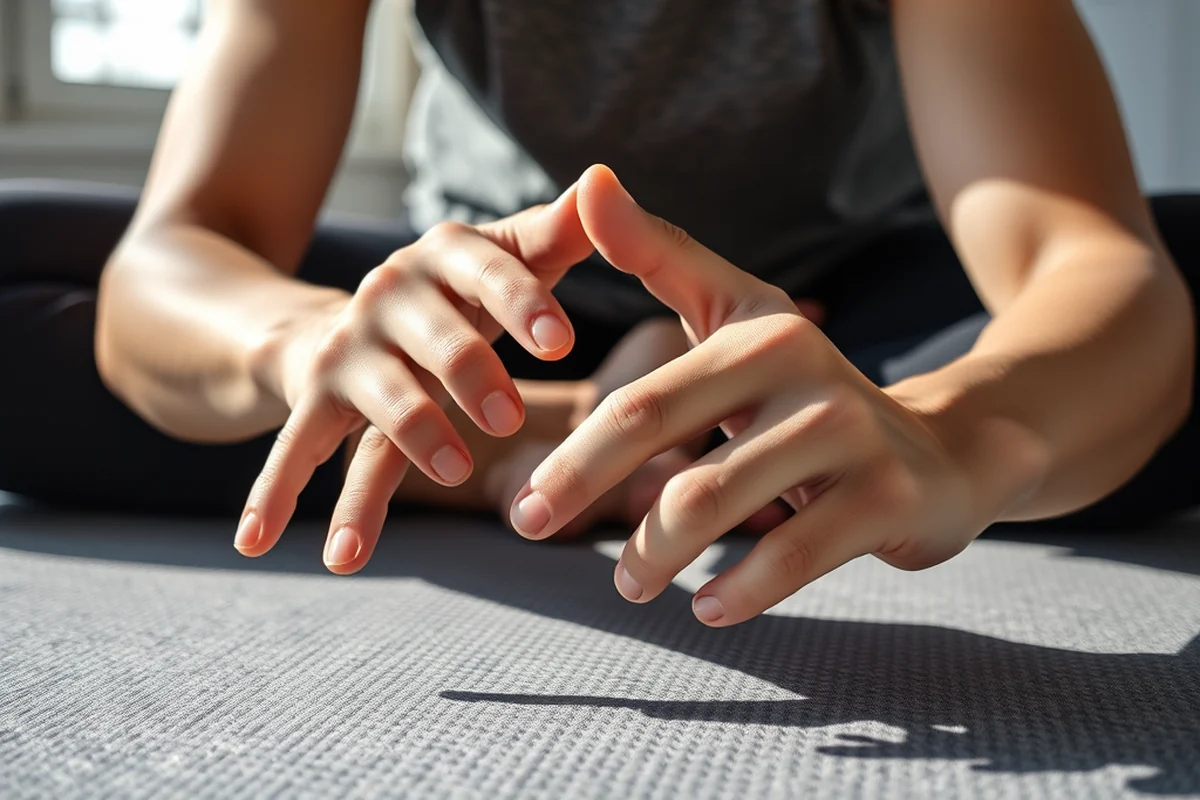
I’ve watched so many videos over the years, and not all of them are created equal. The best ones have clear instructions, use simple language, and focus on proper form. I always look for videos that start with a warm-up and end with a cool-down — that’s a sign that the creator cares about your safety and overall well-being.
Another thing I look for is how the video shows the exercise from multiple angles. If I can see the movement from the front, the side, and the back, I’m more likely to get it right. I once tried a video that only showed the front view, and I ended up doing the exercise incorrectly for a week before I realized the mistake.
I also prefer videos that include a progress tracker. If I can see how many reps I’m doing and how that number changes over time, I feel more motivated. It’s a small thing, but it can make a big difference in staying consistent and seeing results.
Choose a video that feels like a personal trainer — not just a demo.
Related: Golf putting training equipment
The Benefits of Resistance Training for Beginners
One of the first benefits I noticed was better posture. I used to slouch all the time, but after a few weeks of doing exercises that strengthened my back and shoulders, I started standing taller and feeling more confident. It was a small change, but it had a huge impact on how I carried myself.
Another benefit was increased stamina. I used to get out of breath walking up the stairs. After a few months of resistance training, I found that I could climb the same stairs without feeling like I was about to collapse. That kind of progress was incredibly motivating.
Mentally, resistance training helped me feel more in control of my body and my life. I was able to push through tough workouts, and that carried over into other areas of my life. I started taking on more challenges at work and in my personal life because I had a new sense of confidence and strength.
I always kept a small notebook where I wrote down how I felt during each workout and what I noticed in my body. It helped me see patterns and stay consistent. Try it — it can be a powerful tool for long-term success.
“I remember the first time I tried to follow a resistance training video — my phone was shaking, my posture was poor, and I had…”— Wrist Friendly Resistance Training editors
Related: What interval training
Common Mistakes Beginners Make with Resistance Training Videos
One of the biggest mistakes I see is skipping the warm-up. I used to rush into my workouts without warming up my muscles, and I ended up with soreness and even a few minor injuries. It’s tempting to save time, but warming up is essential for preventing injury and getting the most out of your workout.
Another mistake is ignoring form. I used to push through pain to do more reps, thinking that was the way to get stronger. But that led to frustration and even some injuries. Learning proper form is just as important as learning the exercise itself.
I also see a lot of people overtraining. They watch a video once and then do the same workout every day without giving their muscles time to recover. That’s a surefire way to burn out and lose motivation. Listen to your body and take rest days when needed.
Related: Swimming training equipment for beginners
How to Build a Weekly Resistance Training Routine
When I first started, I tried to do a full workout every day, but I burned out quickly. I learned that it’s better to have a few workouts each week and take rest days in between. I now do three to four workouts a week, with two to three days of rest or light activity like walking or stretching.
Each of my workouts is focused on a different area of the body — one day for the upper body, one for the lower body, and one for the core. This helps me build strength in a balanced way. I also make sure to include a warm-up and a cool-down in every session, even if it’s just a few minutes of light stretching.
I keep my workouts short — around 20 to 30 minutes — to stay focused and avoid burnout. I always finish with a quick check-in: how did I feel during the workout? What did I do well? What can I improve on next time? This reflection helps me stay on track and keep getting better.
Related: Golf training aids for beginners
How to Stay Motivated with Resistance Training Videos
One of the best ways to stay motivated is to set small, achievable goals. I used to set goals like doing 10 push-ups or holding a plank for 30 seconds. When I reached those goals, I felt a sense of accomplishment that kept me going.
Another thing that helps is finding a workout buddy. I used to work out alone, but I found that having someone to talk to or even just post about my progress on social media kept me more consistent. Accountability is a powerful motivator.
I also like to track my progress in a visual way. I keep a calendar and mark each day I work out, and I’ve noticed that seeing a streak of consecutive days helps me push through tough workouts. It’s a small thing, but it makes a big difference in staying on track.
Motivation is fleeting — consistency is forever.
Related: Best golf putting training aids
How to Avoid Plateaus in Your Resistance Training Journey
One of the biggest challenges I faced was hitting a plateau — a point where I wasn’t making any progress, no matter how hard I worked. To avoid this, I started changing my routine every few weeks. That could mean switching up the order of my exercises or trying a new type of workout.
Another strategy is to track my progress in detail. I used to just count how many reps I did, but now I track my form, my breathing, and how I feel during each workout. This helped me identify areas where I was stagnating and make adjustments.
I also found that adding variety in the form of new exercises or new equipment helped me break through plateaus. When I started using resistance bands and kettlebells, I noticed improvements in my strength and flexibility that I hadn’t seen before.
🏋️ Beginner
Simple, step-by-step videos with minimal equipment and clear instructions for complete newbies.
💰 Budget
Free or low-cost videos that make the most of bodyweight and minimal tools like resistance bands.
⚡ Fastest
Short, high-intensity workouts that deliver quick results with minimal time investment.
🔥 Advanced
Challenging, expert-led videos for those who want to take their resistance training to the next level.
🔄 Maintenance
Low-impact, sustainable routines designed to help you maintain strength and mobility long-term.
| The mistake | Why it happens | The fix |
|---|---|---|
| Skipping the warm-up | Warming up is crucial for preparing your muscles and joints for the workout, reducing the risk of injury. | Always start with a 5 to 10-minute warm-up, such as light cardio or dynamic stretches, before moving into your main exercises. |
| Ignoring proper form | Poor form can lead to injuries and reduce the effectiveness of your workouts. | Take time to learn the correct form for each exercise. Watch the video carefully and don’t rush through the movements. |
| Overtraining | Doing too many workouts without rest can lead to burnout, fatigue, and even injury. | Limit your workouts to 3 to 4 times per week and take rest days as needed. Listen to your body and adjust your schedule based on how you feel. |
| Not tracking progress | Without tracking, it’s easy to lose motivation and not see how far you’ve come. | Keep a journal or use a fitness app to track your workouts, how you feel, and any progress you make. This helps you stay consistent and stay motivated. |
Resistance Training Videos For Beginners
Common Questions
Do I need any equipment to start resistance training?
How long should each workout be for beginners?
Can I do resistance training every day?
What if I feel sore after a workout?
References
- Feasibility of an Online Delivered, Home-Based Resistance Training ... (pmc.ncbi.nlm.nih.gov)
Cite this guide
Wrist Friendly Resistance Training (2026). Resistance Training Videos For Beginners. https://loadmend.com/resistance-training-videos-for-beginners/
Feel free to cite or share this guide.
Wrist-Friendly Resistance Tool Matcher
Ranks resistance equipment by wrist-friendliness.
Open it free →