
Resistance Training At Home For Women

📖 Table of Contents
- What You’ll Need to Start Resistance Training At Home For Women
- How to Design a Home Resistance Routine That Works for You
- Tips for Staying Motivated During Home Workouts
- How to Track Your Progress Without a Gym
- Common Mistakes to Avoid in Home Resistance Training
- How to Keep Your Home Workouts Interesting and Effective
- Why Resistance Training At Home For Women Is More Than Just Fitness
- Make It Your Way
- Frequently Asked Questions
I used to think resistance training was something I could only do in a gym — a place with weights, mirrors. A bunch of people who looked like they had never missed a workout in their lives. But when I couldn’t go to the gym for months due to a work commitment, I had to figure out how to keep building strength at home. It was awkward at first, but once I found the right tools and routines, I realized that resistance training at home for women is not only possible, it’s incredibly empowering. (3 times, pmc.ncbi.nlm.nih.gov)[1]
I started with just a pair of dumbbells I had in storage, a resistance band I bought on a whim, and a YouTube video I stumbled upon. Within a few weeks, I noticed my posture improving, my muscles getting more defined, and my confidence growing. I was shocked by how much I could do without ever stepping into a gym. That’s when I realized that resistance training at home for women isn’t just about building strength — it’s about reclaiming your power in your own space.
Now, I design my own workouts, track my progress with a simple app, and feel more in control of my body than ever before. If you're thinking about starting resistance training at home for women, you're not alone. There are tools, routines, and techniques that can help you build strength, confidence, and a healthier relationship with your body — all from the comfort of your living room.
Why You'll Love This Resistance Training At Home For Women Routine
- No gym membership or travel time — train wherever you are.
- Customizable workouts that fit your schedule and goals.
- Affordable tools that give you real results.
- Empowering your body and mind from the comfort of home.
What You’ll Need to Start Resistance Training At Home For Women
As of November 2026, you don’t need a full gym to build strength at home. Start with a few foundational tools like dumbbells, resistance bands, and a stability ball. I bought a set of 5-pound dumbbells for $15 and a resistance band for $10 — enough to do almost any bodyweight or light-weight exercise.[2]
A mat or towel can help protect your floors and provide cushioning during floor exercises. I also use a chair for seated rows and squats, and a wall for push-ups and pull-ups. These simple additions can turn any room into a functional training space.
Invest in a small space where you can focus without distractions. I found that a corner of my living room, with a mat and a few weights, became my go-to spot. It’s convenient and always within reach.
You can find affordable, durable resistance tools at online retailers like Amazon or local fitness stores. Look for materials like rubber for dumbbells and high-quality latex for bands.
Part of our Resistance training vs circuit training resistance bands guide.
How to Design a Home Resistance Routine That Works for You
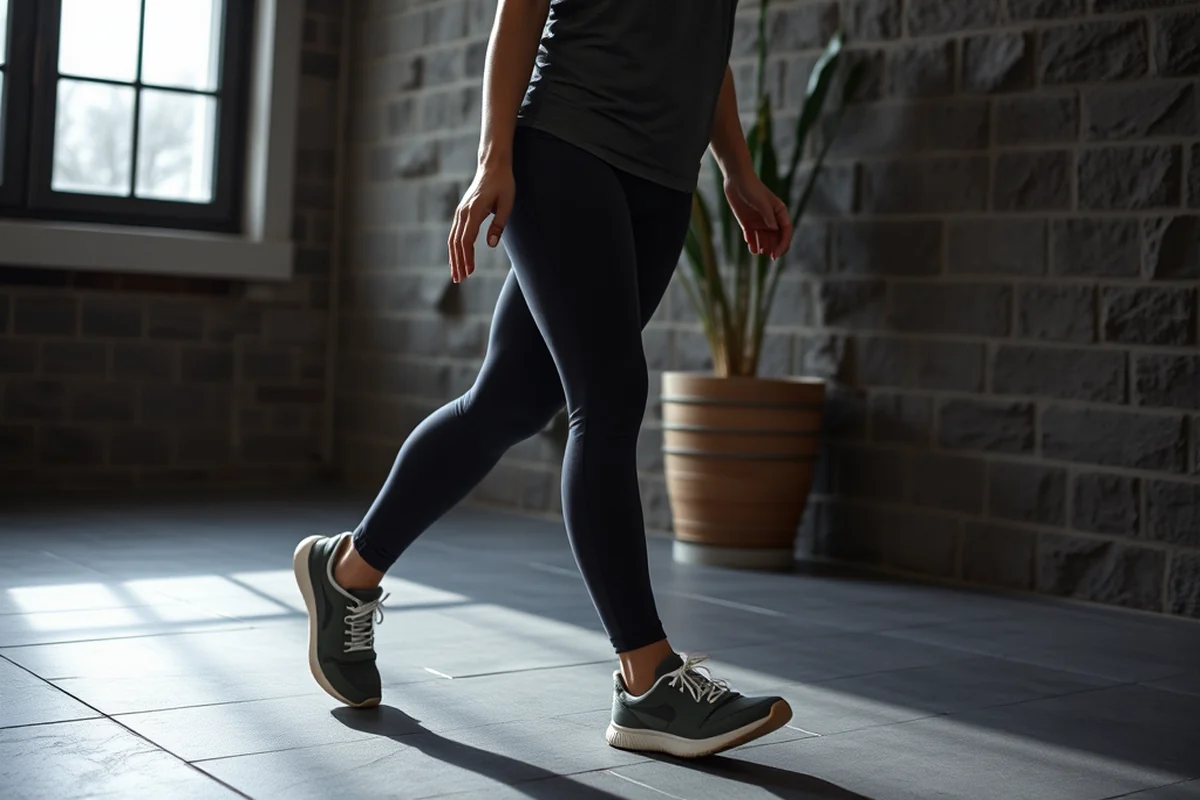
I start each week by setting a goal — whether it’s building muscle, improving posture, or losing weight. I then pick a few exercises that align with that goal and build a 20-minute routine around them. It's simple, focused, and always works.
I use a workout app called Freeletics that offers free home workouts. I can tailor the app to my fitness level and choose the types of exercises I want to focus on. For example, if I need to work on my back, I’ll pick exercises like rows and pull-ups.
The key is to keep it short and consistent. I’ve found that doing three 20-minute sessions a week with the same exercises leads to better results than trying to do a 60-minute session once a week.
Consistency beats intensity every time.
Related: What is resistance band chest press
Tips for Staying Motivated During Home Workouts
I like to turn my workouts into a mini ritual. I put on my favorite workout clothes, play some music I like, and make a cup of tea before I start. It signals to my brain that it’s time to move and focus.
I also use the calendar app on my phone to track my workouts and set reminders. Seeing that I’ve completed a workout gives me a small sense of accomplishment that keeps me going.
Another trick I’ve found is to create a small reward system. After a week of consistent workouts, I treat myself to something I enjoy — like a movie night or a new workout shirt. It keeps me motivated and focused on the long-term goal.
Write down why you want to train at home. Whether it’s for strength, confidence, or health, having a clear 'why' will keep you going when the motivation fades.
“I used to think resistance training was something I could only do in a gym — a place with weights, mirrors, and a bunch of…”— Wrist Friendly Resistance Training editors
Related: Resistance bands back exercises
How to Track Your Progress Without a Gym

I track my progress by taking photos every few weeks and comparing them to earlier ones. It’s surprising how much can change in a short time. I also note how I feel after each workout — more energized, less sore, or more confident.
I’ve started using a simple app called MyFitnessPal to log my workouts and track how often I complete them. It helps me stay on track and see the big picture over time.
One of the most surprising things I’ve noticed is how much my posture has improved. I used to slouch a lot, but now I stand taller and feel more in control of my body. That’s a small but meaningful change.
Related: The best resistance band exercises
Common Mistakes to Avoid in Home Resistance Training
One of the biggest mistakes I made at first was not warming up properly. I used to jump into my workouts without stretching, and it led to soreness and even a minor injury. Now I always take five minutes to stretch and do some light cardio before starting.
Another mistake is overtraining the same muscle groups without giving them time to recover. I used to do a lot of push-ups in one session, and I noticed my arms getting sore and stiff. Now I alternate between upper and lower body workouts to give my muscles time to heal.
I also used to skip the full range of motion in my exercises — like not bending my knees fully in squats or not pulling the resistance band all the way. This not only limits the effectiveness of the workout but can also lead to injury over time.
Related: How to workout with resistance bands
How to Keep Your Home Workouts Interesting and Effective
I change up my workouts every two weeks — sometimes I focus on strength, other times on endurance or flexibility. This keeps my body guessing and prevents plateaus.
I also mix in different types of training, like HIIT, yoga, and bodyweight circuits. This not only keeps things interesting but also helps me work on different aspects of my fitness.
Another tip is to challenge myself with new exercises every time. I look up new routines online or follow along with YouTube videos. It’s a great way to keep learning and stay engaged.
Change is the spice of life — and of workouts.
Related: Resistance band exercises for beginners
Why Resistance Training At Home For Women Is More Than Just Fitness
I’ve noticed that I feel more confident in my own skin now that I’ve been training at home. I used to feel self-conscious about my body, but now I see it as something strong and capable. That’s a shift in mindset that has spilled over into other areas of my life.
I also feel more in tune with my body. I’ve learned how to listen to it, when to push through and when to rest. It’s been a journey of self-discovery that I never expected from a simple home workout.
Resistance training at home for women is more than just a way to get fit — it’s about claiming your space, your strength, and your power. And that’s something that can’t be bought at a gym.
🧘 Beginner
Start with bodyweight exercises and light resistance tools to build a strong foundation.
💰 Budget
Use free online workouts and minimal equipment to train effectively without spending a lot.
⚡ Fastest
Focus on high-intensity, short workouts that can be done in as little as 15 minutes.
💪 Advanced
Incorporate heavy weights, complex routines, and advanced exercises to push your limits.
🔄 Maintenance
Keep your strength and fitness level consistent with short, regular workouts and stretching.
| The mistake | Why it happens | The fix |
|---|---|---|
| Skipping warm-ups | Warming up is essential for preventing injury and preparing your muscles for exercise. | Take 5-10 minutes before each workout to stretch, do light cardio, and activate your muscles. |
| Overtraining the same muscle groups | This can lead to injury and prevent progress, as muscles need time to recover. | Alternate between upper and lower body workouts, and give your muscles at least 48 hours of rest between sessions. |
| Not using full range of motion | This limits the effectiveness of your workouts and can lead to improper form and injury. | Focus on moving through the full range of motion in each exercise — like bending your knees fully in squats or pulling the resistance band completely. |
| Not tracking progress | Without tracking, it’s easy to lose motivation and not see the improvements you're making. | Take photos, use a workout app, and note how you feel after each session to see your progress over time. |
Resistance Training At Home For Women
Common Questions
What are the best resistance tools for home training?
How long should my home workouts be?
Can I build muscle at home without a gym?
How do I stay motivated when working out alone?
References
- Feasibility of an Online Delivered, Home-Based Resistance Training ... (pmc.ncbi.nlm.nih.gov)
- Physical Activity Guidelines for Americans, 2nd edition (health.gov)
Cite this guide
Wrist Friendly Resistance Training (2026). Resistance Training At Home For Women. https://loadmend.com/resistance-training-at-home-for-women/
Feel free to cite or share this guide.
Wrist-Friendly Resistance Tool Matcher
Ranks resistance equipment by wrist-friendliness.
Open it free →