
Resistance Training Belt

📖 Table of Contents
- What Is a Resistance Training Belt and Why You Need It
- How to Use a Resistance Training Belt Correctly
- What Makes a High-Quality Resistance Training Belt
- The Benefits of Using a Resistance Training Belt
- Choosing the Right Belt for Your Fitness Level
- Common Mistakes When Using a Resistance Training Belt
- How to Clean and Maintain Your Resistance Training Belt
- Make It Your Way
- Frequently Asked Questions
I remember the first time I used a resistance training belt during a deadlift. My back felt more stable, my core engaged more naturally, and my form improved almost instantly. It was like a revelation — I hadn’t realized how much my body was compensating without that extra support. A resistance training belt, I learned, isn’t just a tool; it’s a performance enhancer, a safety net, and a confidence booster all at once.[1]
Resistance training belts are often overlooked, but for anyone serious about lifting, they’re not just a luxury — they’re a necessity. Whether you’re training for strength, hypertrophy, or functional fitness, a belt can transform your workouts by stabilizing your core and reducing the risk of injury. I’ve seen how they help beginners feel more secure and how they help advanced lifters push through heavier lifts with control.
As someone who has tested numerous resistance training belts over the years — from budget-friendly options to high-end leather beasts — I know that the right one can make a world of difference. I’ve felt the difference in my lifts, the way my spine stays neutral, and the way I can push harder without fear of injury. That’s why I want to share everything I’ve learned about resistance training belts, so you can choose wisely and train safely.
Why You'll Love This Resistance Training Belt
- Enhances core stability during heavy lifts
- Reduces risk of lower back injury
- Improves lifting form and confidence
- Supports proper spinal alignment
What Is a Resistance Training Belt and Why You Need It
As of November 2026, a resistance training belt is a simple piece of equipment — a thick, adjustable strap worn around the waist — but it plays a crucial role in safe and effective lifting. It helps maintain spinal alignment, prevents excessive arching of the lower back, and allows you to lift heavier weights with better control. I first used one during a deadlift, and I immediately noticed how much more stable my core felt.
The belt works by creating intra-abdominal pressure, which is the natural tension in the core that helps support the spine during heavy lifts. This pressure is generated when you brace your core, and the belt helps you maintain that tension. I’ve found that using a belt not only improves my lifting form but also gives me the confidence to push through heavier weights without fear of injury.
For any lifter, whether you're new to the sport or have been training for years, a resistance training belt is a valuable addition to your gear. It’s not just about performance — it’s about longevity. I’ve noticed that since I started using a belt regularly, I’ve experienced fewer lower back soreness and have been able to maintain better form during high-intensity lifts.
Look for a belt made from durable leather or thick, high-quality synthetic material. It should be adjustable with a secure buckle and fit snugly around your waist without restricting movement.
Part of our Training bone guide.
How to Use a Resistance Training Belt Correctly
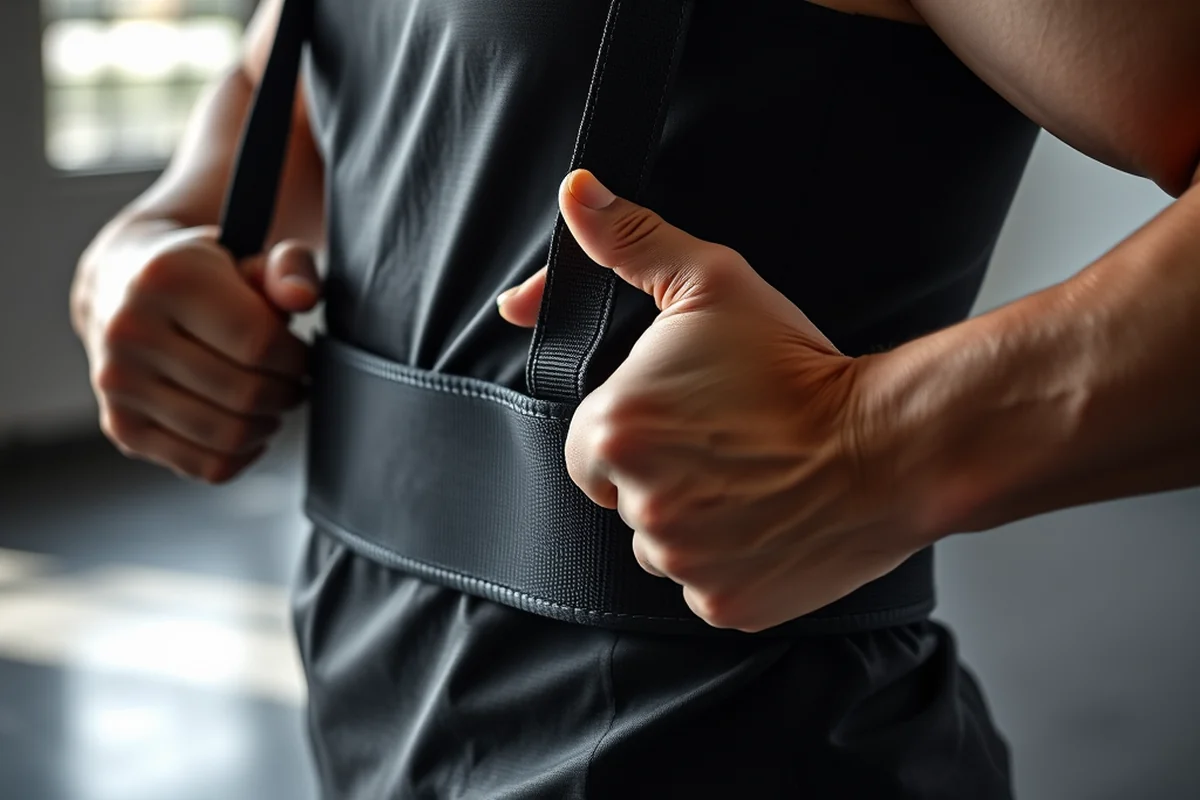
To use a resistance training belt properly, position it just above your hips, around your natural waistline. The belt should be snug but not so tight that it restricts your breathing or movement. I always make sure to adjust it so that it sits comfortably and doesn’t shift during the lift.
Once the belt is in place, the next step is to brace your core. This involves taking a deep breath and tightening your abdominal muscles as if you’re about to be hit in the stomach. This bracing technique, combined with the support of the belt, creates the intra-abdominal pressure that stabilizes your spine. I’ve noticed that this technique alone can make a significant difference in my lifting performance.
It’s important to remember that a resistance training belt is not a substitute for proper form or technique. It’s a tool to enhance your performance, not a crutch to rely on. I’ve learned that using the belt in conjunction with good form and controlled movements is the key to getting the most out of it.
Bracing your core is more important than the belt itself.
Related: Resistance training classes
What Makes a High-Quality Resistance Training Belt
A good resistance training belt is made from thick, high-quality leather or synthetic materials that can withstand the tension of heavy lifts. I’ve tested several belts over the years, and I’ve found that belts made from thick leather tend to last longer and provide better support than cheaper alternatives. The material should be durable enough to handle repeated use without breaking or stretching.
Adjustability is another key factor in choosing the right belt. A belt should have a secure buckle or other fastening mechanism that allows you to adjust it to fit your waist comfortably. I’ve found that some belts come with additional loops or straps for extra adjustability. Is especially useful if you’re training with a partner or need to quickly switch between different waist sizes.
Finally, the fit of the belt is crucial. It should sit snugly around your waist without being too tight. A belt that’s too loose won’t provide the necessary support, while one that’s too tight can restrict your breathing and movement. I’ve had to return a few belts over the years because they didn’t fit properly, so I always recommend trying one on before purchasing.
Try the belt on in-store to ensure it fits snugly and comfortably. If you're buying online, look for reviews that mention the belt’s adjustability and durability.
“I remember the first time I used a resistance training belt during a deadlift.”— Wrist Friendly Resistance Training editors
Related: How often resistance training
The Benefits of Using a Resistance Training Belt
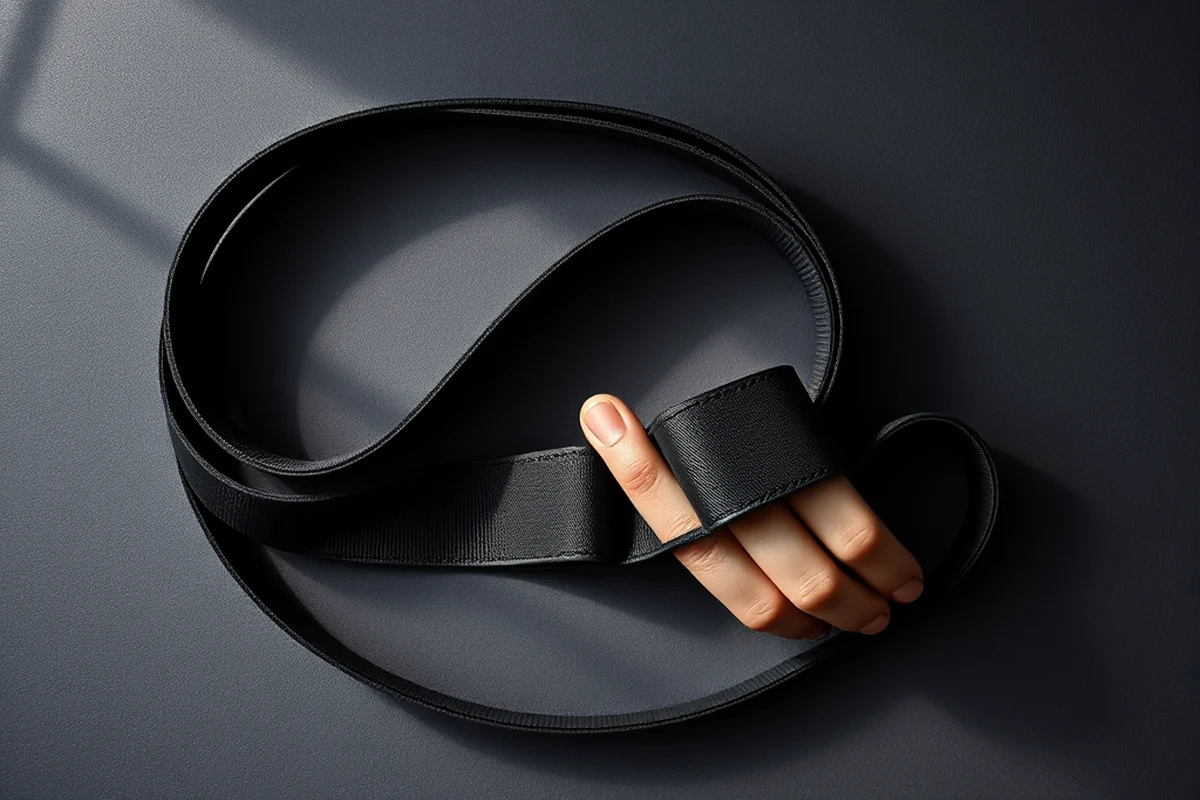
One of the most noticeable benefits of using a resistance training belt is the improvement in core stability. I’ve noticed that when I use a belt, my core feels more engaged and my spine stays more neutral during lifts. This stability helps prevent injury and allows me to lift heavier weights with better control.
Another benefit is the increase in lifting performance. A belt allows you to lift heavier weights by providing additional support to the lower back and core. I’ve been able to increase my deadlift and squat PRs since I started using a belt regularly. The added support gives me the confidence to push through heavier lifts without fear of injury.
Finally, using a resistance training belt can reduce the risk of lower back injury. By maintaining proper spinal alignment and creating intra-abdominal pressure, the belt helps protect the lower back during heavy lifts. I’ve found that since I started using a belt, I’ve experienced fewer lower back soreness and have been able to maintain better form during high-intensity lifts.
Related: Diy resistance training
Choosing the Right Belt for Your Fitness Level
For beginners, a simple, affordable belt made from high-quality synthetic material is a good starting point. I’ve found that these belts provide adequate support without being too heavy or uncomfortable. They’re also more budget-friendly, which is great for those who are just getting started with resistance training.
Intermediate lifters may benefit from a slightly more durable belt made from thick leather or reinforced synthetic material. These belts provide better support and can withstand the tension of heavier lifts. I’ve noticed that these belts tend to last longer and provide more consistent support over time.
Advanced lifters may prefer a high-end, heavy-duty belt made from premium leather. These belts offer the best support and durability for those who are lifting heavy weights regularly. I’ve found that these belts are more expensive but are worth the investment for serious lifters who want the best support possible.
Related: Resistance training easy
Common Mistakes When Using a Resistance Training Belt
One common mistake is using the belt too loosely. If the belt is too loose, it won’t provide the necessary support, and you may not be able to brace your core properly. I’ve made this mistake before, and I’ve noticed that when the belt is too loose, I don’t feel the same level of stability during lifts.
Another mistake is relying too much on the belt instead of focusing on proper form and technique. While the belt is a helpful tool, it’s not a substitute for good form. I’ve learned that using the belt in conjunction with proper form is the key to getting the most out of it.
Finally, some people forget to adjust the belt properly before each lift. A belt that’s too tight can restrict breathing and movement, while one that’s too loose won’t provide the necessary support. I’ve found that adjusting the belt before each lift is essential for maintaining proper form and stability.
A belt is only as effective as the form you use it with.
Related: What is resistance training good for
How to Clean and Maintain Your Resistance Training Belt
To keep your resistance training belt in good condition, it’s important to clean it regularly. I’ve found that using a damp cloth to wipe down the belt after each use helps remove sweat and dirt, which can build up over time. This simple step can help prolong the life of the belt and keep it looking new.
If the belt is made from leather, it’s important to avoid getting it too wet, as this can cause the leather to crack or break down. I’ve learned that using a leather conditioner every few months can help keep the leather supple and in good condition. This is especially important for high-quality belts that are used frequently.
Finally, storing the belt in a cool, dry place when not in use can help prevent damage from moisture or extreme temperatures. I’ve kept my belts in a dedicated storage bag, which has helped protect them from dust and debris. This simple step has made a noticeable difference in the longevity of my belts.
🏋️ Beginner
A lightweight, adjustable belt made from synthetic material that’s budget-friendly and easy to use for new lifters.
💰 Budget
An affordable belt that offers good support without the high price tag — perfect for those just starting out.
⏱️ Fastest
A belt with a quick-adjust buckle that allows for fast setup and removal, ideal for high-intensity training sessions.
🔥 Advanced
A premium belt made from thick leather with reinforced stitching — built to withstand the rigors of heavy lifting.
🛠️ Maintenance
A durable belt designed for long-term use with easy-to-clean materials and a structured maintenance routine.
| The mistake | Why it happens | The fix |
|---|---|---|
| Using the belt too loosely | A loose belt won’t provide the necessary support, and you may not be able to brace your core properly. | Make sure the belt is snug but not too tight. Adjust it so that it fits comfortably around your waist without restricting your movement. |
| Relying too much on the belt | Using the belt as a substitute for proper form and technique can lead to poor lifting habits and increased risk of injury. | Use the belt in conjunction with proper form and technique. It’s a tool to enhance your performance, not a crutch. |
| Not adjusting the belt properly | A belt that’s too tight can restrict breathing and movement, while one that’s too loose won’t provide the necessary support. | Adjust the belt before each lift to ensure it fits snugly and comfortably. This helps maintain proper form and stability during lifts. |
| Ignoring proper belt maintenance | Failing to clean and maintain the belt can reduce its lifespan and effectiveness. | Clean the belt after each use and store it in a cool, dry place. For leather belts, use a leather conditioner periodically to keep it supple and in good condition. |
Resistance Training Belt
Common Questions
Can a resistance training belt be used for all types of lifts?
How tight should the belt be?
Can I use a resistance training belt for bodyweight exercises?
How often should I clean my belt?
References
- Study protocol for a randomized controlled trial: evaluating the effect ... (pmc.ncbi.nlm.nih.gov)
Cite this guide
Wrist Friendly Resistance Training (2026). Resistance Training Belt. https://loadmend.com/resistance-training-belt/
Feel free to cite or share this guide.
Wrist-Friendly Resistance Tool Matcher
Ranks resistance equipment by wrist-friendliness.
Open it free →