
Resistance Training In Chinese

📖 Table of Contents
- What is Resistance Training in Chinese?
- How to Set Up Your Space for Resistance Training in Chinese
- The Benefits of Resistance Training in Chinese
- The Role of Breath in Resistance Training in Chinese
- Incorporating Resistance Training in Chinese into Your Daily Routine
- The Mind-Body Connection in Resistance Training in Chinese
- Common Misconceptions About Resistance Training in Chinese
- Make It Your Way
- Frequently Asked Questions
I remember the first time I tried resistance training in Chinese — not the language, but the concept. I was in Shanghai, walking through a park where elderly men and women were doing tai chi, and one of them noticed my confusion. He explained how resistance training in Chinese is often integrated with bodyweight movements, stretching, and slow, controlled motions. That moment shifted my perspective on strength training. I had always associated resistance training with weights and gyms, but here was a different approach — one that felt more natural, more rooted in the body’s rhythm.[1]
Resistance training in Chinese is not a direct translation of what we think of in the West. It’s about balance, breath, and the connection between mind and muscle. I’ve seen this approach practiced in various forms across Chinese martial arts, where strength is not just about lifting heavy but about maintaining control, precision, and endurance. It's a philosophy that emphasizes harmony over intensity, making it accessible even to beginners who might feel intimidated by traditional gym culture.[2]
I started experimenting with these methods, incorporating bodyweight squats, push-ups, and planks into my routine, but with a focus on form and breath. The results weren’t immediate, but over time, I noticed improvements in my posture, joint stability, and overall strength. Resistance training in Chinese is not just a way to build muscle — it's a way to build a stronger, more resilient body that moves with purpose and awareness.
Why You'll Love This Resistance Training Approach
- It enhances joint stability and reduces injury risk through controlled, low-impact movements.
- It integrates seamlessly with daily life, requiring no special equipment or time constraints.
- It improves posture and core strength by emphasizing alignment and breath.
- It builds endurance and mental focus through its emphasis on mindfulness and repetition.
What is Resistance Training in Chinese?
As of November 2026, Resistance training in Chinese is deeply embedded in traditional practices like Tai Chi and Qigong, where the focus is on slow, deliberate movements. Unlike Western gym-based resistance training, which often relies on weights, this approach uses the body’s own weight and gravity to create resistance. It’s a form of training that’s been practiced for centuries, not just in China but across East Asia, where it’s believed that strength and health stem from harmony with nature and the body’s own rhythms.
I learned this method by attending a local Qigong class in Shanghai, where the instructor emphasized the importance of breath and posture. Each movement was slow and precise, with a focus on engaging the core and maintaining balance. This kind of training is accessible to people of all ages and fitness levels, making it a great alternative to high-intensity workouts that can be overwhelming for beginners.
What stood out to me was how this form of resistance training in Chinese didn’t just build muscle — it also improved my mental clarity and focus. I noticed that after each session, I felt more grounded and less stressed, which I attributed to the mindfulness aspect of the practice.
Before you begin any movement, take 5 deep breaths. This helps center your mind and prepare your body for the workout.
How to Set Up Your Space for Resistance Training in Chinese
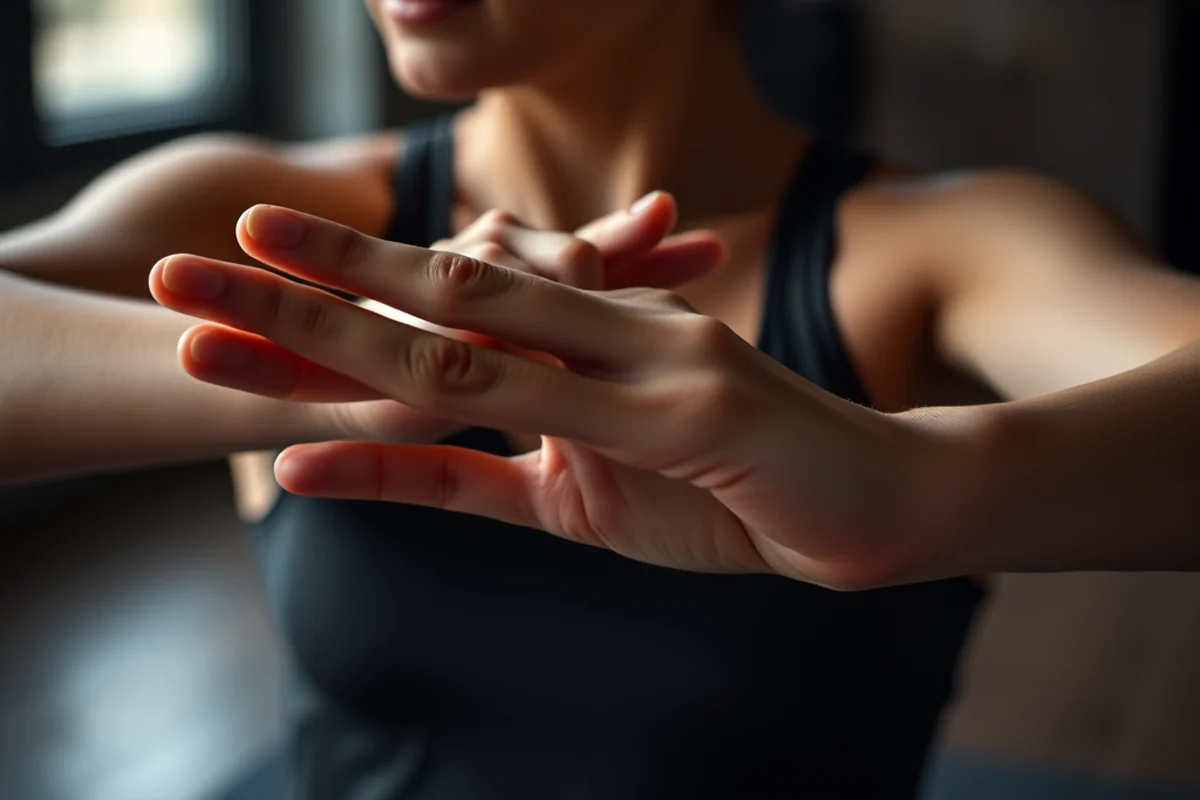
I set up my training area in a quiet corner of my living room, where I could move freely without interruption. I used a thick mat for cushioning and placed a few small cushions for seated positions. This kind of setup is crucial because the movements are often slow and precise, and you need a comfortable surface to support your body.
I found that having a small mirror nearby helped me monitor my form and alignment. It was especially useful during balance exercises, where even slight misalignment could affect the effectiveness of the movement. I also kept a water bottle nearby to stay hydrated during my sessions.
The setup cost me under $25, which included the mat and cushions. This low-cost approach made it easy to start without any major investment, which is one of the best things about resistance training in Chinese.
A little space, a few cushions, and a mirror — that’s all you need to start.
Related: Resistance training for women over 50
The Benefits of Resistance Training in Chinese
After just a few weeks of practicing resistance training in Chinese, I noticed that my posture had improved significantly. I used to slouch while sitting at my desk, but now I found myself sitting up straighter, even without consciously trying. This change was subtle but impactful, and it made me realize how much our daily habits can be influenced by our workouts.
Another benefit was increased joint stability. I had always struggled with knee pain during cardio workouts, but after incorporating low-impact movements from this practice, I felt less discomfort. The controlled, deliberate motions helped strengthen the muscles around my joints, making them more resilient.
This form of training also helped me build core strength, which is essential for maintaining good posture and preventing lower back pain. I noticed that my everyday movements became more efficient, and I felt more confident in my ability to move without strain.
Place a mirror in front of you so you can monitor your posture and alignment as you move. This is especially useful for beginners.
“I remember the first time I tried resistance training in Chinese — not the language, but the concept.”— Wrist Friendly Resistance Training editors
Related: Resistance training glp 1
The Role of Breath in Resistance Training in Chinese
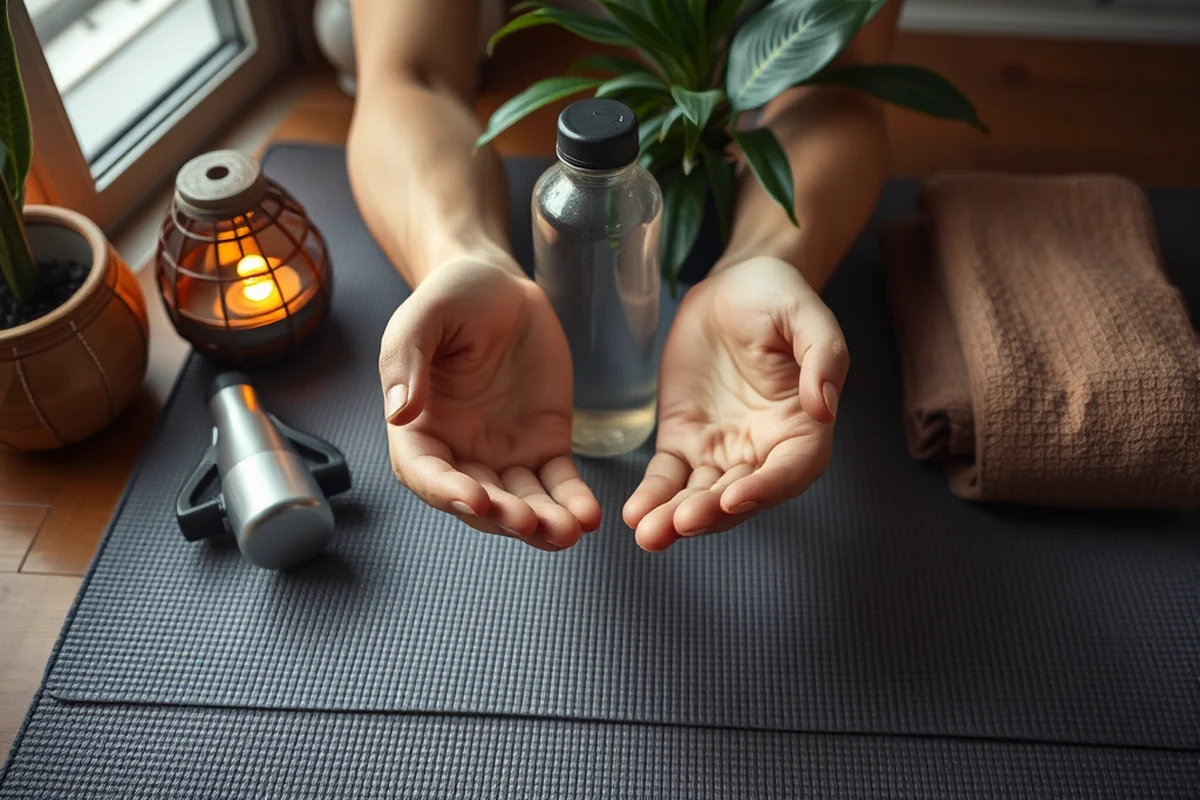
I learned early on that breath is not just a background element in this practice — it’s a core component. Each movement is synchronized with the breath, which helps to maintain focus and control. When I first started, I struggled with this, trying to breathe in and out without letting it affect my form. But over time, it became second nature.
Proper breathing during resistance training in Chinese helps to increase oxygen flow to the muscles, making the movements more efficient and less tiring. It also helps in maintaining balance and stability, especially during more challenging positions.
I found that exhaling during the exertion phase of each movement helped me push through difficult positions with more ease. This simple technique made a noticeable difference in my performance and comfort level during the workouts.
Related: Resistance training how to
Incorporating Resistance Training in Chinese into Your Daily Routine
One of the best things about resistance training in Chinese is that it doesn’t require a lot of time or equipment. I started with short sessions of 10 to 15 minutes, focusing on a few key movements like squats, push-ups, and planks. These sessions could be done anywhere — at home, in the office, or even while traveling.
I noticed that incorporating these movements into my daily routine helped me stay consistent. I would do a few sets in the morning before work and another session in the evening. This kind of routine didn’t feel like a chore, which made it easier to stick with.
Over time, I found that I was more aware of my body’s needs and limitations, which helped me adjust my workouts accordingly. This kind of awareness is a key benefit of resistance training in Chinese, as it promotes a deeper connection with the body.
Related: Resistance training jaw
The Mind-Body Connection in Resistance Training in Chinese
One of the most profound benefits of resistance training in Chinese is the way it enhances the mind-body connection. I found that my workouts became more meditative, with each movement requiring full attention. This level of focus helped me tune into my body in a way I hadn’t experienced before.
This kind of training is especially beneficial for people who struggle with stress or anxiety, as the slow, deliberate movements help to quiet the mind and promote relaxation. I noticed that after each session, I felt more centered and less overwhelmed by daily stressors.
This mental clarity translated into other areas of my life as well. I found that I was more productive at work and more present in my personal relationships. The combination of physical movement and mental focus made resistance training in Chinese a valuable tool for overall well-being.
Your body is your temple — treat it with mindfulness and respect.
Related: Resistance training is
Common Misconceptions About Resistance Training in Chinese
One of the biggest misconceptions I had was that resistance training in Chinese was too slow or not challenging enough. I assumed that because the movements were deliberate and controlled, they wouldn’t be as effective as faster, high-intensity workouts. But over time, I realized that this kind of training builds strength in a different, more sustainable way.
Another misconception is that this form of training is only suitable for older adults or those with limited mobility. In reality, it’s a great option for people of all ages and fitness levels. I’ve seen young athletes benefit from it as much as seniors, as it helps improve balance, posture, and joint stability.
Finally, I used to think that resistance training in Chinese didn’t provide the same kind of muscle growth as weightlifting. But through consistent practice, I noticed that my muscles became more toned and defined, even without using any external weights.
🧘 Beginner
Ideal for those new to movement, focusing on basic postures and breath control.
💰 Budget
No equipment needed — just a mat and a mirror to begin your journey.
⚡ Fastest
Quick, efficient sessions that can be done in under 20 minutes with full benefits.
🔥 Advanced
Incorporate complex sequences and longer holds for deeper muscle engagement.
🔄 Maintenance
Light, ongoing movements to sustain strength and flexibility over time.
| The mistake | Why it happens | The fix |
|---|---|---|
| Ignoring proper form for the sake of speed | Improper form can lead to injury and reduce the effectiveness of the movements. | Always prioritize slow, controlled movements and focus on alignment. |
| Holding your breath during movements | Holding your breath can increase blood pressure and reduce the effectiveness of the workout. | Inhale deeply before each movement and exhale during the exertion phase. |
| Not using a mirror for posture feedback | Without visual feedback, it’s easy to develop poor posture and misalignment. | Place a mirror nearby to monitor your form and make adjustments as needed. |
| Overtraining without rest days | Overtraining can lead to burnout and physical strain, especially for beginners. | Incorporate rest days and listen to your body to avoid overexertion. |
Resistance Training In Chinese
Common Questions
Do I need any equipment to start resistance training in Chinese?
How long does it take to see results?
Is this training suitable for people with joint pain?
Can I do this training if I’m not very flexible?
References
- Chinese expert consensus on prevention and intervention for elderly ... (pmc.ncbi.nlm.nih.gov)
- Workplace Learning in China: Transferring Training Into Practice to ... (files.eric.ed.gov)
Cite this guide
Wrist Friendly Resistance Training (2026). Resistance Training In Chinese. https://loadmend.com/resistance-training-in-chinese/
Feel free to cite or share this guide.
Wrist-Friendly Resistance Tool Matcher
Ranks resistance equipment by wrist-friendliness.
Open it free →