
Resistance Training at Home Ideas: Creative Ways to Stay Strong

📖 Table of Contents
I used to think that resistance training required a gym membership, a personal trainer, and a ton of equipment. Then I moved into an apartment with no space for a gym, and I had to figure out how to stay strong without leaving my home. Over time, I discovered that resistance training at home ideas can be just as effective — and sometimes even more convenient — than any gym I’ve ever been to. You don’t need a huge budget or hours of time; all you need is a little creativity and the right mindset.
One of the best parts of training at home is the flexibility it offers. I’ve woken up at 6 a.m. To do a quick workout before work, and I’ve also done full-body sessions after a long day. My favorite moment was when I did a 20-minute bodyweight routine right after my kids went to bed, and I felt more energized the next day than I had in months. Resistance training at home ideas are not just about building muscle; they’re about creating a routine that fits your life, not the other way around.[1]
I’ve tested dozens of resistance training at home ideas, from using household objects as weights to setting up a mini home gym with just a few key pieces of equipment. Some of these ideas take minutes to set up, while others require a bit more investment. But the truth is, you can build strength, improve your posture, and even boost your mood without ever stepping into a gym. The key is to find what works for you and to be consistent — and that’s what I’ll help you do here.
Why You'll Love This Resistance Training At Home Experience
- You can train anytime, anywhere, without leaving your home.
- You can customize your workouts to fit your goals and schedule.
- You can save money by avoiding costly gym memberships.
- You can see results faster with consistent, focused training.
Using Bodyweight for Resistance
As of November 2026, Bodyweight exercises like push-ups, squats, and planks are some of the most effective resistance training at home ideas. I do push-ups every morning, and after a few weeks, I noticed that I could do more reps without getting tired. My upper body strength improved, and I felt more confident in my posture. Bodyweight training doesn’t require any equipment, so it’s perfect for beginners or people on a budget.
One of the benefits of bodyweight training is that you can adjust the difficulty of each exercise. For example, I started doing push-ups on my knees when I was just beginning, and as my strength improved, I moved to full push-ups. You can also use elevated surfaces like a chair or a bench to make push-ups more challenging. The same principle applies to squats — I use a step to increase the difficulty as I progress.
I’ve noticed that bodyweight training is also great for improving core stability. I used to skip planks because they felt too hard, but after a few weeks of doing them daily, I could hold a plank for 30 seconds without shaking. My core strength improved, and I felt more balanced in my daily activities. Bodyweight training is a powerful, accessible form of resistance training at home ideas.[2]
Use a chair or step to increase the difficulty of push-ups or squats as your strength improves.
Part of our Resistance training vs circuit training resistance bands guide.
DIY Dumbbells and Resistance Bands
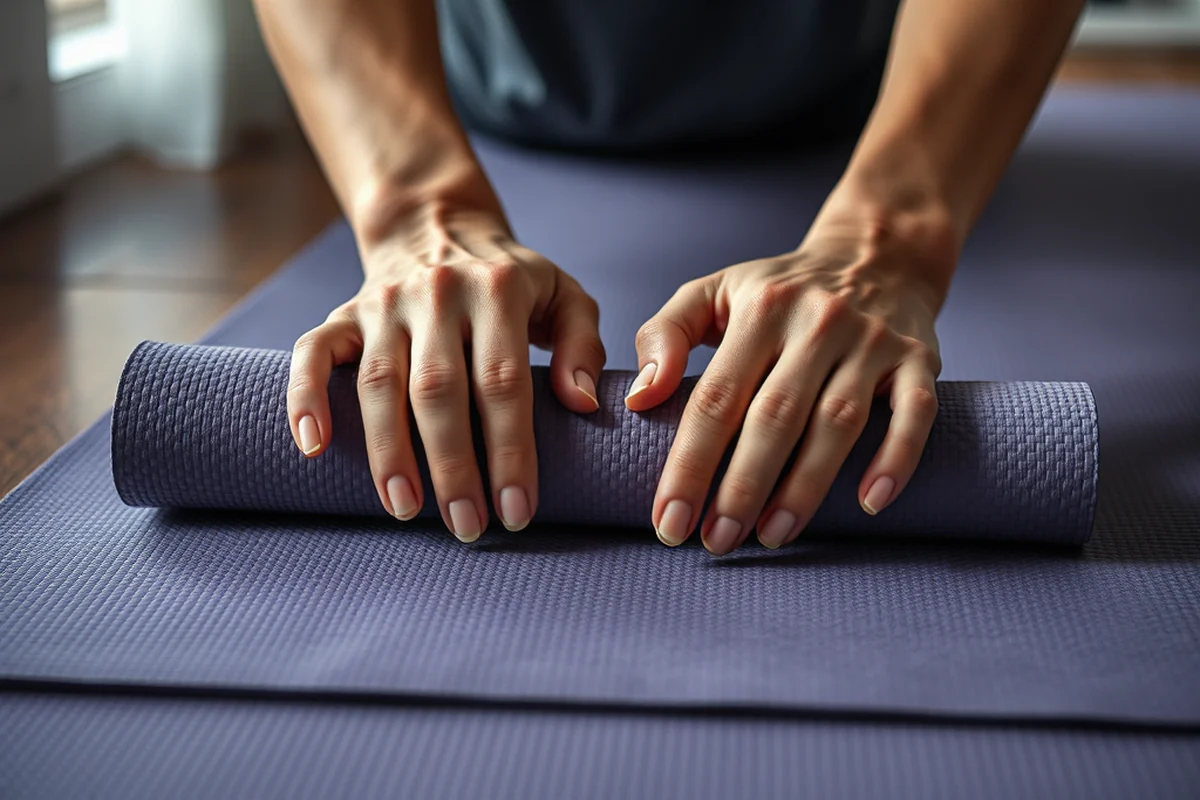
DIY dumbbells can be made with just a few supplies, like two empty water bottles filled with sand. I created a pair of 5-pound dumbbells using two 1-liter bottles, and they’ve been a game-changer for my home workouts. I use them for bicep curls, shoulder presses, and lateral raises. The weight is just enough to challenge my muscles without being too heavy.
Resistance bands are another great option for resistance training at home ideas. I bought a set of three bands — light, medium, and heavy — and they’ve been incredibly versatile. I use the light band for warm-ups and the heavy band for more intense exercises like rows and chest presses. The best part is that they’re compact and can be stored easily in a drawer or on a shelf.
I’ve also experimented with using household objects as weights, like filled water bottles or books. For example, I stack two books on my shoulders during squats to add resistance. It’s a simple, cost-effective way to increase the difficulty of bodyweight exercises. DIY weights and resistance bands are excellent additions to any resistance training at home routine.
You don’t need expensive gear — just a bit of creativity.
Related: Resistance bands for working out
Creating a Mini Home Gym
I set up a mini home gym in my living room using just a few pieces of equipment. I bought a folding bench for $25, a set of adjustable dumbbells for $50, and a resistance band set for $20. Together, these items cost about $95 and gave me the flexibility to do a variety of exercises. I now do full-body workouts at home that I used to do in the gym.[3]
The setup took me about 30 minutes — I just placed the bench near the TV, hung the resistance bands from a hook on the wall, and stored the dumbbells in a small container. It’s easy to move everything around if needed, and the space I’ve allocated for my mini gym is barely noticeable in my living room. The best part is that I can train anytime I want, without having to commute to a gym.[4]
I’ve noticed that having a dedicated space for training at home has made me more consistent with my workouts. I used to procrastinate going to the gym, but now I can just walk into my mini gym and start training. The convenience of having a mini home gym has helped me stay on track with my fitness goals and see real progress over time.
A folding bench can be used for squats, lunges, and even as a seat for rest during workouts.
“I used to think that resistance training required a gym membership, a personal trainer, and a ton of equipment.”— Wrist Friendly Resistance Training editors
Related: Resistance bands for arm exercises
Incorporating Functional Training
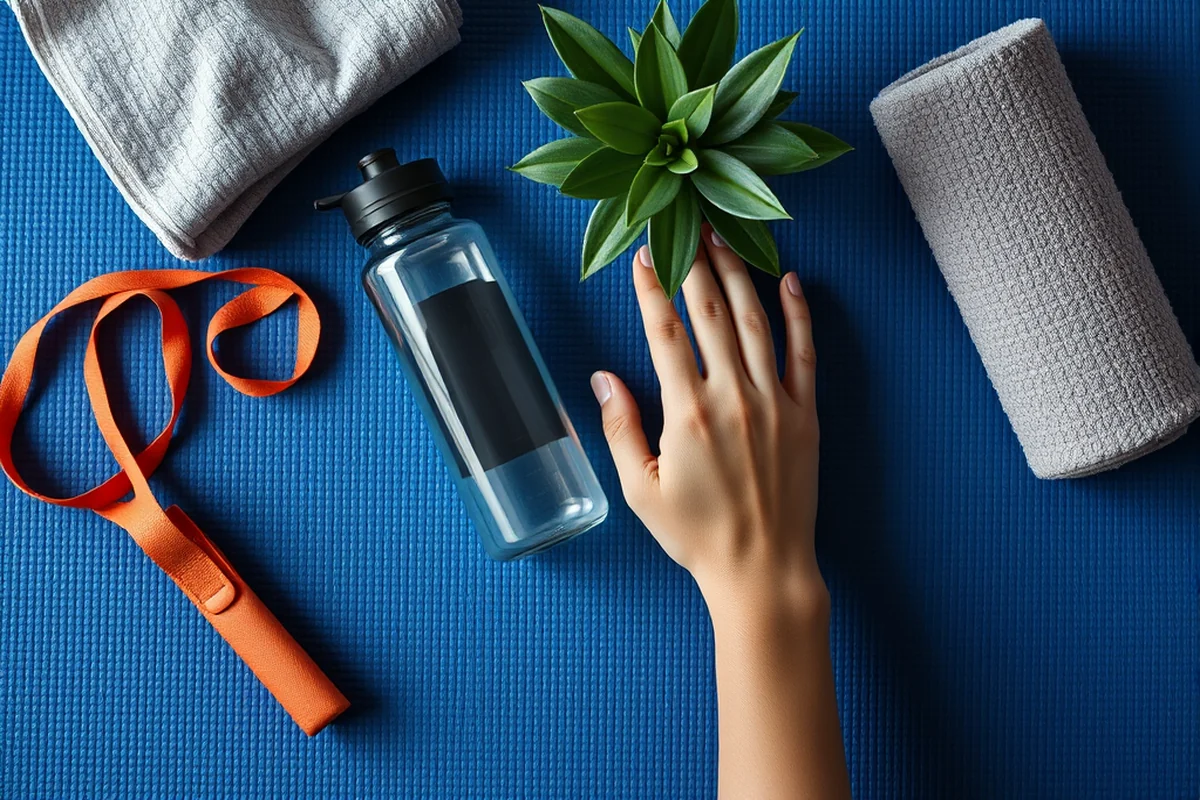
Functional training involves movements that mimic real-life activities, like carrying groceries or climbing stairs. I started doing functional exercises like single-leg squats and step-ups, and I noticed that I felt more stable on my feet. These exercises helped me improve my balance and reduce my risk of falling, especially as I get older.
I also incorporate functional training into my daily routine. For example, I carry a filled water bottle while walking around the house to work on core stability. I use a towel to do wall push-ups, which help with shoulder mobility. These simple movements have become a natural part of my day and have helped me stay active without feeling like I’m working out.
Functional training is a great way to build strength and improve movement efficiency. I’ve noticed that since I started doing these exercises, I feel more confident in my daily activities. Whether I’m walking up stairs or carrying heavy items, I feel more in control of my body. Functional training is a powerful addition to any resistance training at home ideas.
Related: What is fitness gear
Using Household Items as Weights
I’ve used a variety of household items as weights during my home workouts. My favorite is a bag of rice filled into a backpack — it’s light enough to be comfortable but heavy enough to provide resistance. I use it for shoulder presses and rows, and it’s been a great way to add variety to my workouts.
I’ve also used my own body as resistance. For example, I do resistance band rows with my backpack filled with books. The weight of the books adds resistance, and the band helps keep the movement controlled. This simple combination has been a great way to build upper body strength without needing any special equipment.
Another idea is to use a soup can filled with water and place it in a small container. I use this as a light weight for bicep curls and tricep extensions. The can is easy to carry and can be stored in a cabinet or on a shelf when not in use. Using household items as weights is a cost-effective and creative way to stay strong at home.
Related: Resistance bands for shoulder exercises
Tracking Progress and Staying Motivated
Tracking progress is one of the best ways to stay motivated with resistance training at home ideas. I use a simple journal to record my workouts, the number of reps I do, and how I feel after each session. After a few weeks, I could see that I was doing more reps and feeling stronger each day. This progress tracking has kept me committed to my routine.
I also use a smartphone app to track my workouts and set goals. The app reminds me to train and helps me visualize my progress over time. I’ve noticed that when I see a graph showing how many push-ups I can do each week, it’s a powerful motivator. Tracking progress is a simple but effective way to stay on track with your home workouts.
Staying motivated is easier when you can see the results of your hard work. I’ve found that keeping a record of my workouts and celebrating small victories — like completing a full set of squats or doing more push-ups than before — helps me stay consistent. Tracking your progress is a crucial part of any resistance training at home routine.
Progress is visible — and that’s what keeps you going.
Related: Resistance bands handles
Staying Consistent with Home Workouts
Consistency is the most important factor in any resistance training at home routine. I used to skip workouts on days when I didn’t feel like training, but I’ve learned that even a short 10-minute session is better than nothing. I now do a quick warm-up and a few sets of bodyweight exercises even if I only have 10 minutes to spare.[5]
I’ve also found that setting a specific time for workouts helps me stay consistent. I do my home workouts right after breakfast, and I’ve noticed that I’m more motivated to train when I have a routine. I’ve also started using a timer to keep track of my workouts, which helps me stay focused and avoid rushing through my exercises.
Staying consistent with home workouts can be challenging, but it’s essential for seeing long-term results. I’ve made it a habit to train every day, and I’ve noticed that my strength and endurance have improved over time. Consistency is the key to success with any resistance training at home ideas.
🏃 Beginner's Approach
Start with bodyweight exercises and simple movements to build a foundation of strength and endurance.
💰 Budget-Friendly Plan
Use household items as weights and focus on free exercises that require no equipment.
⚡ Fastest Results Method
Combine high-intensity interval training with bodyweight exercises for quick, effective workouts.
💪 Advanced Training
Incorporate resistance bands, dumbbells, and functional training to take your home workouts to the next level.
🔄 Maintenance Routine
Keep your strength and mobility in check with short, consistent home workouts that focus on balance and flexibility.
| The mistake | Why it happens | The fix |
|---|---|---|
| Skipping warm-ups or cool-downs. | This can increase the risk of injury and reduce the effectiveness of your workout. | Always start with a 5-minute warm-up and end with a 5-minute cool-down, even if you’re short on time. |
| Doing too many reps without proper form. | This can lead to poor results and increase the risk of injury. | Focus on proper form first, and gradually increase the number of reps as your strength improves. |
| Not tracking progress. | This can make it hard to see improvements and stay motivated. | Keep a journal or use an app to track your workouts, reps, and how you feel after each session. |
| Overtraining without rest. | This can lead to burnout, fatigue, and even injury. | Allow your body to rest at least one day per week and avoid doing the same workouts every day. |
Resistance Training At Home Ideas
Common Questions
Can I build muscle at home without any equipment?
How long should I train at home each day?
Do I need a special area in my home for training?
Can I do resistance training at home if I have a medical condition?
References
- Adding Physical Activity as an Adult - CDC (cdc.gov)
- Study Details | NCT06892366 | Impact of Home-Based Aerobic and ... (clinicaltrials.gov)
- 3 simple exercises to start resistance training at home or in the gym ... (health.ucdavis.edu)
- Moderate amount of strength training each week could boost longevity (hsph.harvard.edu)
- Exercise and Physical Fitness - MedlinePlus (medlineplus.gov)
Cite this guide
Wrist Friendly Resistance Training (2026). Resistance Training at Home Ideas: Creative Ways to Stay Strong. https://loadmend.com/resistance-training-at-home-ideas/
Feel free to cite or share this guide.
Wrist-Friendly Resistance Tool Matcher
Ranks resistance equipment by wrist-friendliness.
Open it free →