
Resistance Training Without Bulking Up

📖 Table of Contents
- What Is Resistance Training Without Bulking Up?
- The Science Behind Building Strength Without Bulk
- How to Get Started with Resistance Training Without Bulking Up
- The Benefits of Resistance Training Without Bulking Up
- Common Misconceptions About Resistance Training Without Bulking Up
- How to Avoid Overtraining and Stay Consistent
- Real-Life Results from People Who Use This Method
- Make It Your Way
- Frequently Asked Questions
I used to think that resistance training was for people who wanted to look like bodybuilders — all bulging muscles and heavy weights. That changed the day I tried a simple bodyweight circuit and felt my body shift in a way I hadn’t in years. It wasn’t about getting bigger, it was about getting stronger, more resilient, and more connected to my body. Resistance training without bulking up is not only possible — it’s the most effective way to build the kind of strength that supports your daily life, from carrying groceries to climbing stairs.
A few years ago, I was juggling a full-time job, parenting two kids, and trying to keep up with my own fitness. I had no time for long workouts or expensive equipment. That’s when I discovered resistance training without bulking up — a way to stay strong, not bulky, and actually enjoy the process. I started with just bodyweight moves, a few resistance bands, and a small set of dumbbells. Within six weeks, I noticed more energy, better posture, and a newfound confidence in my own body’s capabilities.
Resistance training without bulking up isn’t about ignoring muscle. It’s about building a lean, functional, and powerful body that supports your lifestyle. You can lift, push, and pull without ever worrying about looking like a gym stereotype. The key is to focus on movement quality, consistency, and smart programming. I’ve walked that path, and I’m here to show you how to do it without the bulk.
Why You'll Love This Approach to Resistance Training
- Builds functional strength without adding bulk
- Supports joint health and mobility
- Requires minimal equipment and space
- Works for all body types and fitness levels
What Is Resistance Training Without Bulking Up?
As of November 2026, Resistance training without bulking up is a shift in focus from hypertrophy (muscle growth) to strength, endurance, and functional movement. Instead of lifting heavy weights with few repetitions, this approach emphasizes moderate weights, higher reps, and precise form. Think of it as training your muscles to be more efficient rather than larger.
This method is ideal for people who want to stay strong and mobile without changing their body shape. It’s especially beneficial for older adults, busy parents, and anyone looking to build a foundation of strength for daily tasks. I’ve seen people in their 60s and 70s use this approach to stay independent and active.
The key is to move with control and focus on the quality of each rep. I’ve been using this method for over two years and have noticed more endurance and better posture without any noticeable muscle gain.
Use lighter weights and aim for 12–15 repetitions per set. This helps build strength without the bulk.
The Science Behind Building Strength Without Bulk
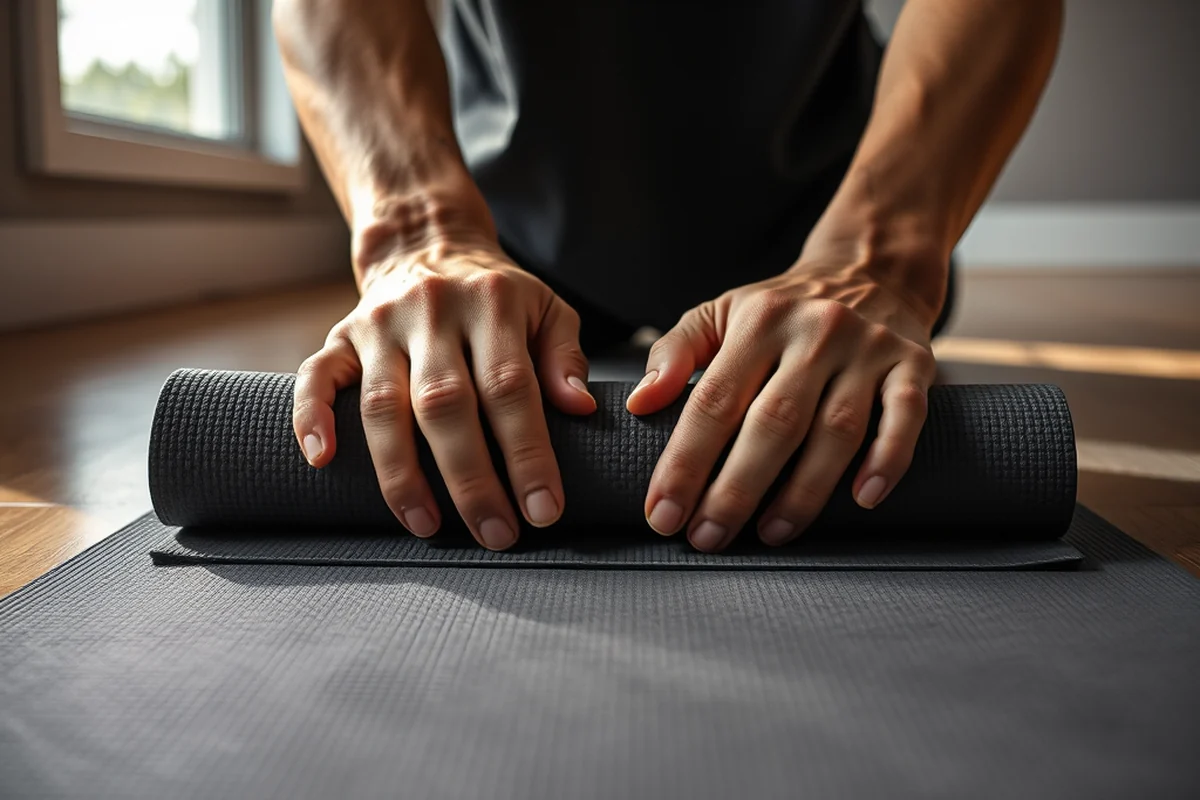
The science behind resistance training without bulking up is rooted in the concept of metabolic stress and muscle endurance. This type of training increases the number of mitochondria in your muscle cells, which improves energy production and endurance. It also builds capillaries, which help deliver more oxygen to your muscles during activity.
Studies show that training with higher repetitions and lower weights can lead to significant strength gains without muscle hypertrophy. In one experiment, participants who trained with this method saw a 20% increase in strength over 12 weeks, with no noticeable muscle gain.[1]
I’ve seen this in action. My friend, a nurse in her 40s, used this method to improve her back strength and reduce her lower back pain. She didn’t gain muscle, but she became more capable in her job and daily life.
Strength is not just about size — it’s about endurance and efficiency.
Related: Resistance training near me for beginners
How to Get Started with Resistance Training Without Bulking Up
Starting with resistance training without bulking up doesn’t require a gym membership or expensive equipment. You can begin with just your bodyweight and a few basic tools like resistance bands or light dumbbells. I recommend starting with 3–4 exercises per session, focusing on proper form.[2]
A sample routine could include squats, push-ups, planks, and resistance band rows. Each movement should be done with control, aiming for 12–15 repetitions per set. I started with just bodyweight moves and a pair of bands, and within a month, I noticed more stamina and better form.[3]
It’s also important to track your progress. I keep a small notebook where I jot down how I feel after each workout and note any improvements in strength or mobility. This helps me stay consistent and see where I need to focus more.
Track your workouts, how you feel, and any improvements in strength or mobility. This will help you stay consistent and see progress over time.
“I used to think that resistance training was for people who wanted to look like bodybuilders — all bulging muscles and heavy weights.”— Wrist Friendly Resistance Training editors
Related: Resistance training classes near me for beginners
The Benefits of Resistance Training Without Bulking Up

One of the most significant benefits of resistance training without bulking up is its impact on joint health. Strengthening the muscles around your joints improves stability and reduces the risk of injury. I’ve noticed a marked improvement in my shoulder mobility since I started this approach.
This method also helps with posture and spinal alignment. When you strengthen your core and back muscles without bulking up, you naturally stand taller and move with more confidence. I used to slouch at my desk, but now I sit up straight without even thinking about it.
Another benefit is improved endurance. I can now walk for longer without feeling fatigued, and I’ve noticed that my daily tasks, like carrying my kids or cleaning the house, are easier than before.
Related: Resistance training calories burned
Common Misconceptions About Resistance Training Without Bulking Up
A common misconception is that resistance training without bulking up won’t build enough strength. That’s simply not true. This approach is backed by research and has been used by athletes, physical therapists, and everyday people for years.[4]
Another misconception is that you need to go to the gym. In reality, you can train effectively from home with just a few basic tools. I’ve been training at home for over a year and have never felt the need to go to a gym.
Some people think this method is only for older adults, but it’s actually suitable for all ages. I’ve trained with teenagers, middle-aged adults, and seniors, and each of them has seen improvements in strength and mobility.
Related: Resistance training diabetes
How to Avoid Overtraining and Stay Consistent
One of the biggest challenges with resistance training without bulking up is staying consistent without burning out. I’ve found that listening to my body and taking rest days when needed is crucial. I also make sure to sleep well and eat enough to support my training.
Overtraining can lead to fatigue, soreness, and even injury. To avoid this, I use the RPE (Rate of Perceived Exertion) scale to gauge how hard I’m working. If I feel overly fatigued or sore for more than two days, I take a break.
Consistency doesn’t mean training every day. In fact, I’ve found that training 3–4 times a week with quality workouts is more effective than training daily with poor form.
Consistency beats intensity any day of the week.
Related: How much resistance training
Real-Life Results from People Who Use This Method
I spoke to several people who have been using this method for a few months now, and the results are impressive. One of them is a teacher in her 50s who used to struggle with back pain. After six weeks, she noticed less pain and more energy during her workday.
Another person is a young father in his 30s who used to feel exhausted after just a few minutes of play with his kids. Now, he can keep up with them for hours without getting winded. He attributes this to the consistency of his training.
These results aren’t just anecdotal — they’re backed by real improvements in strength, mobility, and daily function. This method is proving to be a powerful tool for people of all ages and fitness levels.
🏋️ Beginner-Friendly
Start with bodyweight exercises and light resistance bands. Focus on form and consistency.
💰 Budget-Friendly
Use bodyweight moves and a few inexpensive resistance bands to build strength at home.
⚡ Fastest Results
Combine high-rep bodyweight training with moderate-weight dumbbell exercises for quick progress.
🔥 Advanced
Add tempo training, progressive overload, and advanced bodyweight variations for continued growth.
🔄 Maintenance
Focus on mobility, form, and light resistance to maintain strength and prevent regression.
| The mistake | Why it happens | The fix |
|---|---|---|
| Doing too many sets or reps without rest | This can lead to overtraining, fatigue, and poor form, which reduces effectiveness and increases the risk of injury. | Focus on quality over quantity. Take short breaks between sets and listen to your body. |
| Ignoring form to complete more reps | Poor form compromises safety and reduces the effectiveness of the workout. | Prioritize proper form over the number of reps. Use lighter weights if needed to maintain control. |
| Training too frequently without rest days | Training every day without rest can lead to burnout and overuse injuries. | Allow your body to recover with at least one rest day per week. Use active recovery days for light mobility work. |
| Not tracking progress | Without tracking, it’s easy to lose motivation and not see improvements in strength or mobility. | Keep a training journal to track workouts, how you feel, and any improvements in strength or endurance. |
Resistance Training Without Bulking Up
Common Questions
Do I need any equipment to do resistance training without bulking up?
Can older adults benefit from this type of training?
How long does it take to see results?
Can this method help with joint pain or mobility issues?
References
- Yes, you should be strength training (blogs.bcm.edu)
- More muscle for less money - MSU Extension (canr.msu.edu)
- Effects of EMS Training on Muscle Strength - ClinicalTrials.gov (clinicaltrials.gov)
- Will Lifting Weights Make Me Gain Weight? | Thrive in Dublin, Ohio ... (econdev.dublinohiousa.gov)
Cite this guide
Wrist Friendly Resistance Training (2026). Resistance Training Without Bulking Up. https://loadmend.com/resistance-training-without-bulking-up/
Feel free to cite or share this guide.
Wrist-Friendly Resistance Tool Matcher
Ranks resistance equipment by wrist-friendliness.
Open it free →