
Resistance Training in Simple Words: What It Is and Why It Matters

📖 Table of Contents
- What Is Resistance Training, Really?
- Why Resistance Training Matters for Everyone
- How to Get Started with Minimal Equipment
- How to Build a Routine That Works for You
- The Role of Rest and Recovery
- Tracking Progress and Staying Motivated
- How to Stay Safe and Avoid Injury
- Make It Your Way
- Frequently Asked Questions
I used to think resistance training was something only bodybuilders did—intense, grueling, and far removed from everyday life. That was until I spent three weeks with a physical therapist who showed me how to lift weights while sitting on a couch. It changed everything. My legs felt stronger, my posture improved, and I even noticed a difference in how I handled stress. Resistance training in simple words is about making strength accessible, not about becoming a gym icon.
I started with just two dumbbells—2.5 pounds each—and a rolled-up towel for support. No fancy machines, no big budgets. The first few days were awkward, but as I got the hang of it, the movement became second nature. Resistance training in simple words isn’t about perfection; it’s about progress. It’s about learning how your body moves and how to respect it in return.[1]
After a month of consistent practice, I noticed my grip had strengthened, my balance had improved, and even my sleep felt deeper. Resistance training in simple words is not a complicated formula—it’s a set of small, intentional actions that compound over time. It’s not about becoming someone else; it’s about showing up for yourself in the only way that matters: with your body.
Why You'll Love This Approach to Resistance Training
- You’ll feel stronger in your daily life, like when carrying groceries or climbing stairs.
- You’ll get more confident in your own skin, especially when you see your body holding itself up better.
- You’ll start to move with less pain, even if you’ve been dealing with old injuries.
- You’ll notice improvements in your mood, like feeling more energized and less overwhelmed by stress.
What Is Resistance Training, Really?
As of November 2026, Resistance training in simple words is about making your muscles stronger. It's not about heavy weights or complex moves—it’s about applying force in a way that your body can adapt to. You can do this with just a chair, a water bottle, or even your own body weight.
When I first started, I used a towel as a makeshift resistance band. It was enough to build strength, and I didn’t need any special equipment. Resistance training in simple words doesn’t require a gym membership, a personal trainer, or even a full set of weights.
You can start by doing exercises like seated rows with a resistance band, or even just standing up from a chair without using your hands. The key is to find movements that challenge your muscles but still feel manageable.
You don’t need weights to build strength. Try standing up from a chair or doing squats with your feet shoulder-width apart. It’s free and effective.
Part of our Training bone guide.
Why Resistance Training Matters for Everyone

I used to think resistance training was only for people who wanted to get big or look a certain way. But once I started training, I realized how much it supports your body. For example, I noticed that I could stand longer without feeling tired, and I didn’t get as sore after a long day.
Resistance training in simple words is about building strength that helps you live better. It can help prevent falls, reduce joint pain, and even improve your mood. I’ve noticed that I’m more alert and less fatigued after training, even on days when I didn’t feel like moving.
Whether you’re 25 or 75, your muscles need resistance to stay healthy. I’ve met 80-year-olds who train with resistance bands and see real results—like better posture, more energy, and fewer aches.[2]
Resistance training is not for the young or the old—it’s for the living.
Related: Diy resistance training
How to Get Started with Minimal Equipment
I started with two dumbbells, a resistance band, and a chair. That’s all I needed. Resistance training in simple words doesn’t require a lot of gear. You can use household items like water bottles, soup cans, or even a backpack filled with books as weights.
For example, I use a backpack with my laptop and books as a makeshift dumbbell. It’s enough to get my muscles working. You can do bicep curls with a water bottle or push-ups against a wall. The key is to find tools that challenge your muscles and allow you to move safely.
You don’t need a lot of space, either. I do most of my training in my living room. A small area and a few pieces of equipment are enough to get started. The most important thing is consistency, not the amount of gear.
A water bottle, soup can, or even a backpack can work as a weight. You don’t need expensive equipment to get strong.
“I used to think resistance training was something only bodybuilders did—intense, grueling, and far removed from everyday life.”— Wrist Friendly Resistance Training editors
Related: Resistance training easy
How to Build a Routine That Works for You
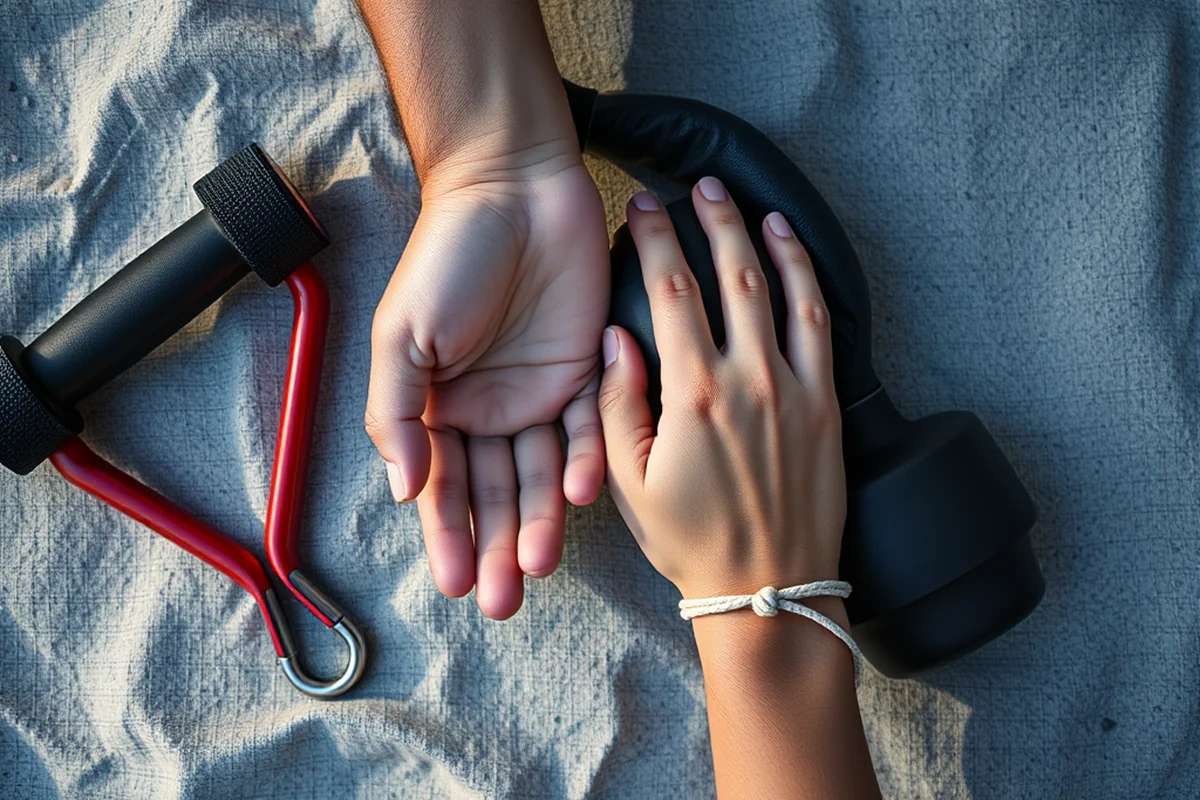
I started with a routine of three exercises: seated rows, bicep curls, and squats. Each session took about 15 minutes, and I did it three times a week. Resistance training in simple words doesn’t have to be complicated or time-consuming. It’s about finding a rhythm that works for your life.
You can choose exercises that target different parts of your body and mix them up to keep things interesting. I like to switch between upper body and lower body exercises, and I use different tools like dumbbells, bands, and body weight to keep my muscles guessing.
The key is to keep it simple and to stay consistent. I’ve found that even a few minutes of training every day can make a difference over time. You don’t need to do a lot—just enough to challenge your muscles and keep them engaged.
Related: What is resistance training good for
The Role of Rest and Recovery
I used to think that training more was better, but I quickly learned that rest is crucial. Resistance training in simple words isn’t about pushing through pain—it’s about listening to your body and giving it time to recover.
I noticed that when I took days off, I felt more energized and my muscles recovered faster. I also found that sleeping better helped me recover more effectively. I started to prioritize sleep and take rest days more seriously, and it made a huge difference in how my body felt.
You don’t need to train every day to see results. Taking rest days and getting enough sleep can help your muscles repair and grow stronger. I’ve found that two days of training and one day of rest works well for me, and I feel more balanced this way.
Related: What are resistance training examples
Tracking Progress and Staying Motivated
I started tracking my progress by taking photos every few weeks and noting how I felt. Resistance training in simple words doesn’t require a scale or a complicated app. I found that keeping a journal helped me see improvements in my strength and confidence over time.
I also noticed that my posture improved and I could lift heavier things without getting as sore. I started using a simple app to log my workouts and track how many times I did each exercise. It helped me stay consistent and see where I needed to improve.
Tracking your progress doesn’t have to be complicated. You can use a notebook, an app, or even a calendar. The key is to find a way that works for you and helps you stay on track with your goals.
Progress is not always visible, but it’s always happening.
Related: Resistance training equipment
How to Stay Safe and Avoid Injury
I used to push through pain and think that it was part of the process. But after a few weeks, I learned that listening to my body is key. Resistance training in simple words doesn’t mean ignoring pain or pushing too hard.
I started paying attention to how my body felt during and after training. If I felt pain or excessive soreness, I would take a break or switch to a different exercise. I also made sure to warm up before training and cool down afterward, which helped me avoid injury.
Staying safe means using proper form and not overexerting yourself. You can use a mirror or a video to check your form, or ask a friend to watch you. It’s also important to start with light weights and increase the difficulty as you get stronger.
🏋️ Beginner
Start with bodyweight exercises and household items. Focus on form and consistency over time.
💰 Budget
Train with free or low-cost tools like water bottles, resistance bands, or even your own body weight.
⏱️ Fastest
Complete a full workout in 15–20 minutes with minimal equipment and high-intensity moves.
🔥 Advanced
Add heavier weights, complex movements, and advanced routines like circuit training or compound lifts.
🔄 Maintenance
Keep your strength and mobility with short, consistent routines that focus on balance and posture.
| The mistake | Why it happens | The fix |
|---|---|---|
| Ignoring form to lift heavier weights. | Poor form can lead to injury and reduce the effectiveness of your training. | Start with lighter weights or body weight and focus on proper technique before increasing the load. |
| Training the same muscles every day. | Overtraining the same muscles can lead to fatigue, soreness, and injury. | Alternate between upper and lower body workouts and include rest days for recovery. |
| Skipping warm-up and cool-down. | Not warming up can increase the risk of injury, while not cooling down can lead to stiffness and soreness. | Spend 5–10 minutes warming up before training and stretching afterward to prepare and recover your muscles. |
| Not tracking progress or setting goals. | Without tracking, it’s easy to lose motivation and not know if you’re making progress. | Keep a journal, use a simple app, or take photos to track your progress and stay motivated. |
Resistance Training In Simple Words
Common Questions
Do I need to go to the gym to do resistance training?
How long does it take to see results?
Can resistance training help with pain or old injuries?
Is resistance training safe for older adults?
References
- Performance Triad - GovInfo.gov (govinfo.gov)
- Development of Muscle Function in Prepubertal Children As a ... (clinicaltrials.gov)
Cite this guide
Wrist Friendly Resistance Training (2026). Resistance Training in Simple Words: What It Is and Why It Matters. https://loadmend.com/resistance-training-in-simple-words/
Feel free to cite or share this guide.
Wrist-Friendly Resistance Tool Matcher
Ranks resistance equipment by wrist-friendliness.
Open it free →