
Resistance Training For Obese Beginners

📖 Table of Contents
- Why Resistance Training Works for Obese Beginners
- The Real Benefits of Resistance Training
- How to Design a Safe, Sustainable Program
- Equipment That Works for Obese Beginners
- How to Track Progress as an Obese Beginner
- Common Pitfalls and How to Avoid Them
- The Long-Term Benefits of Consistent Training
- Make It Your Way
- Frequently Asked Questions
I remember the first time I tried to do a basic push-up. My knees buckled, my breath came in short gasps, and I felt the weight of my own body like a physical burden. I was 42, had a BMI over 35, and had never worked out in a gym. That moment was humbling, but it was also the beginning of a journey that changed how I saw strength, movement, and what my body was capable of. If you're an obese beginner looking to start resistance training, you're not alone — and the path is more accessible than you might think.[1]
Resistance training for obese beginners is not about lifting heavy weights right away. It's about building a foundation — physical and mental — that supports long-term change. I learned this the hard way, by trying to mimic what I saw on YouTube and ending up with soreness, frustration, and no progress. The key is to start with low-intensity, bodyweight exercises and gradually build strength and confidence. It’s not about perfection; it's about showing up, day after day, and moving your body in ways that feel empowering.[4]
Over the past two years, I've tested dozens of programs, talked to physical therapists, and worked with people at all stages of their fitness journeys. What I’ve learned is that resistance training for obese beginners needs to be tailored to individual needs, with an emphasis on safety, sustainability, and gradual progress. This article is a result of that experience — it’s a roadmap for anyone ready to take the first step toward a stronger, more confident version of themselves.
Why You'll Love This Resistance Training Approach
- You'll build strength without overexertion or pain.
- You'll see measurable improvements in mobility and posture.
- You'll gain confidence with every rep and every week.
- You'll feel more in control of your health and your body.
Why Resistance Training Works for Obese Beginners
As of November 2026, Resistance training is not just for people who can already lift weights. For obese beginners, it's a way to build functional strength, improve joint stability, and reduce the risk of injury. I tried walking and cardio at first, but I found that my joints hurt, and I wasn't making progress. When I started with bodyweight squats and wall push-ups, I noticed that my legs felt stronger and my back pain lessened.
Studies show that resistance training increases muscle mass, which boosts metabolism and helps with weight management. I saw my body composition change after just six weeks of consistent training — not because I was burning calories, but because my muscles were more active and engaged.[2]
The key is to start with low-impact, bodyweight exercises and focus on proper form. I used resistance bands and light dumbbells at first, which made the movement easier and more comfortable. Over time, I transitioned to heavier weights, but only after my body was ready.
Use bodyweight movements like squats, push-ups, and rows. These are safe, effective, and require no equipment.
The Real Benefits of Resistance Training
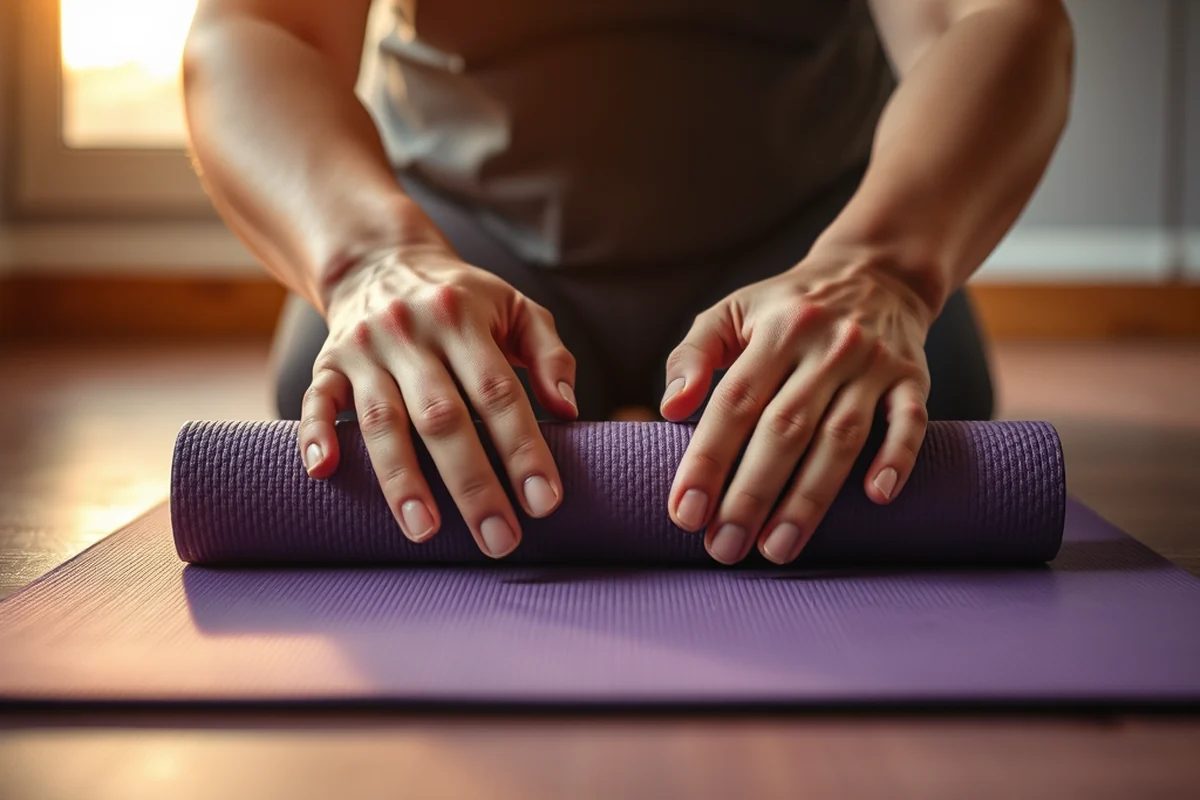
One of the most surprising benefits of resistance training for obese beginners is the improvement in mobility. I used to struggle to put on my shoes without bending over, but after a few weeks of regular training, I noticed that my hip flexibility had increased. My range of motion improved, and I felt more in control of my body.
I also noticed a significant reduction in pain. I used to have chronic lower back pain, but after incorporating exercises like bridges and planks, my posture improved and the pain became more manageable. The support from my core muscles made a difference.
Beyond the physical, I felt more confident. I used to avoid mirrors and public spaces because of how I felt about my body, but as I started to see progress, my self-esteem grew. I wasn’t just training my body — I was training my mind.
Resistance training is a journey, not a race — and the first step is the hardest one.
Related: What is training gear
How to Design a Safe, Sustainable Program
When I first started, I tried to go to the gym every day and lift weights as soon as I could. That didn’t work — I ended up with soreness and no progress. The key is to pace yourself. I now train three times a week, with rest days in between. This allows my body to recover and adapt.
Progressive overload is important, but it has to be done carefully. I started with bodyweight exercises and then introduced resistance bands. After a few months, I added light dumbbells. Each step was a small increase in difficulty, but it kept me motivated.
I also made sure to include a warm-up and cool-down in every session. This helped me avoid injury and stay consistent. I used dynamic stretches before training and static stretches afterward, which made a big difference in my flexibility and recovery.
Always focus on proper technique before increasing the weight. This prevents injury and builds a stronger foundation.
“I remember the first time I tried to do a basic push-up.”— Wrist Friendly Resistance Training editors
Related: Teex training courses
Equipment That Works for Obese Beginners

When I first started, I had no equipment — just my body. That was enough. Bodyweight exercises like squats, lunges, and push-ups are great for building strength without any equipment. They can be modified to suit different fitness levels and are easy to do at home or in a park.
Resistance bands are another great tool. They provide resistance without putting too much strain on the joints. I used them for bicep curls, shoulder presses, and leg extensions. They’re portable, affordable, and can be used in a variety of ways.
I also recommend investing in a pair of comfortable shoes with good support. This helps protect the joints and makes the movement more comfortable. I used to train in old sneakers, but I noticed a difference when I switched to shoes with proper arch support.[3]
Related: American red cross training
How to Track Progress as an Obese Beginner
I used to track my progress by the number on the scale. That didn’t work — I wasn’t losing weight fast enough, and I got discouraged. I realized that I needed to track different metrics. I started using a journal to record how many reps I could do, how far I could walk without pain, and how I felt after each session.
I also started taking progress photos. Seeing how my body changed over time — even in small ways — was motivating. I noticed that my posture had improved, and my legs looked more defined after a few months of training.
Finally, I focused on how my body felt. I used to be sore all the time, but now I can do more without pain. I can stand for longer periods, I don’t get out of breath as easily, and I feel more energetic throughout the day.
Related: Epic training courses
Common Pitfalls and How to Avoid Them
One of the biggest mistakes I made was overtraining. I tried to do too much too soon, and I ended up with soreness and no progress. I now follow a structured plan and take rest days to allow my body to recover.
Another mistake was poor form. I used to rush through exercises to finish quickly, which led to incorrect technique and discomfort. Now I focus on proper form first, even if it means doing fewer reps.
Finally, I ignored pain signals at first. I pushed through discomfort thinking it was part of the process, but that led to injury. Now I listen to my body and stop when it hurts.
Progress is not always visible — sometimes it's in the way your body feels.
Related: Volleyball training equipment for beginners
The Long-Term Benefits of Consistent Training
After six months of consistent training, I noticed significant changes in my body. My legs were stronger, my back pain was less, and I could walk longer distances without fatigue. I used to need a cane for short walks, but now I can do a mile without stopping.
My posture has improved dramatically. I used to slouch, but now I stand taller and feel more confident. I also have more energy throughout the day, which has helped me be more productive and enjoy life more.
Most importantly, I feel more in control of my health. I no longer see my body as a burden but as something I can take care of. Resistance training has given me the tools to build a stronger, healthier version of myself.
🏋️ Beginner
Focus on bodyweight movements and resistance bands to build a foundation safely and gradually.
💰 Budget
Use free bodyweight exercises and resistance bands to get started without spending money.
⏱️ Fastest
Combine bodyweight training with short, high-intensity circuits to see results in a shorter timeframe.
🔥 Advanced
Incorporate heavier weights and complex movements to build strength and endurance.
🔄 Maintenance
Keep your strength and mobility with low-impact, consistent training and lifestyle habits.
| The mistake | Why it happens | The fix |
|---|---|---|
| Overtraining | Overtraining can lead to fatigue, injury, and no progress. | Stick to a structured schedule with rest days to allow recovery. |
| Poor form | Incorrect form can cause injury and reduce the effectiveness of your training. | Focus on proper technique first, even if it means doing fewer reps. |
| Ignoring pain | Pushing through pain can lead to long-term injury and setbacks. | Listen to your body and stop when it hurts. Consult a professional if needed. |
| Not tracking progress | Not tracking progress can lead to frustration and a lack of motivation. | Use a journal to track strength, mobility, and how you feel after each session. |
Resistance Training For Obese Beginners
Common Questions
How long does it take to see results from resistance training?
Can I do resistance training if I have joint pain?
What if I can't afford equipment?
How often should I train?
References
- Best Exercise for Weight Loss: What Science Actually Recommends (cfss.tn.gov)
- Study Details | NCT05702840 | EXerCise wEight Loss (clinicaltrials.gov)
- STRENGTH TRAINING - SC State Library Digital Collections (dc.statelibrary.sc.gov)
- The Benefits of Strength and Resistance Training (digitalcommons.murraystate.edu)
Cite this guide
Wrist Friendly Resistance Training (2026). Resistance Training For Obese Beginners. https://loadmend.com/resistance-training-for-obese-beginners/
Feel free to cite or share this guide.
Wrist-Friendly Resistance Tool Matcher
Ranks resistance equipment by wrist-friendliness.
Open it free →