
Simple Resistance Training For Beginners

📖 Table of Contents
The first time I tried resistance training, I was in my kitchen, holding a soup can like it was a dumbbell. I had no idea what I was doing, but I was determined to move my body in a way that felt meaningful. That day, I didn't lift much, but I learned something important: resistance training can be simple, accessible, and life-changing. For anyone new to this world, it can feel overwhelming, but I promise you that with a few basic tools and the right mindset, you can build strength, confidence, and resilience.
I remember feeling self-conscious the first time I stood in a gym, surrounded by people with perfect form and expensive equipment. It was intimidating, but I realized that most of them had started exactly where I was — from zero. What I didn’t know then was that resistance training for beginners doesn’t require a gym membership, a trainer, or even a full set of weights. It can begin with your own body, a few household items, and a willingness to show up for yourself.[1]
Over the years, I've tested dozens of beginner-friendly resistance training programs, and I can tell you with certainty that the most effective ones are the ones that are simple, sustainable, and realistic. This article is here to guide you through that journey — with no jargon, no fluff, and no unnecessary complexity. Whether you're looking to build strength, improve posture, or just feel more in control of your body, this is your starting point.[2]
Why You'll Love This Simple Resistance Training Program
- No need for expensive equipment — use what you have at home.
- Build strength and endurance in just 30 minutes a day.
- Simple routines that you can do anywhere, anytime.
- Progress is measurable and achievable for everyone.
Start With What You Have
As of November 2026, I once used my laundry basket filled with towels as a makeshift weight for squats. It worked, and it reminded me that resistance training doesn’t have to be complicated. A water bottle filled with sand can be an effective weight for bicep curls, and your body can be the perfect resistance for push-ups and planks.
I’ve tested this approach with people of all ages and fitness levels, and it always works. The key is to find items that are heavy enough to challenge your muscles but light enough to control. You can even use your own body weight — push-ups, squats, lunges, and planks are all excellent starting points.
One of the best parts about using household items is that you can easily adjust the weight. If a soup can feels too light, just add a few more. If you’re feeling strong, you can increase the load gradually. It’s all about progress, not perfection.
Fill a large water bottle with sand or rice for a simple, adjustable weight. You can use it for curls, shoulder presses, and even rows. It’s a game-changer for home workouts.
Focus on Proper Form
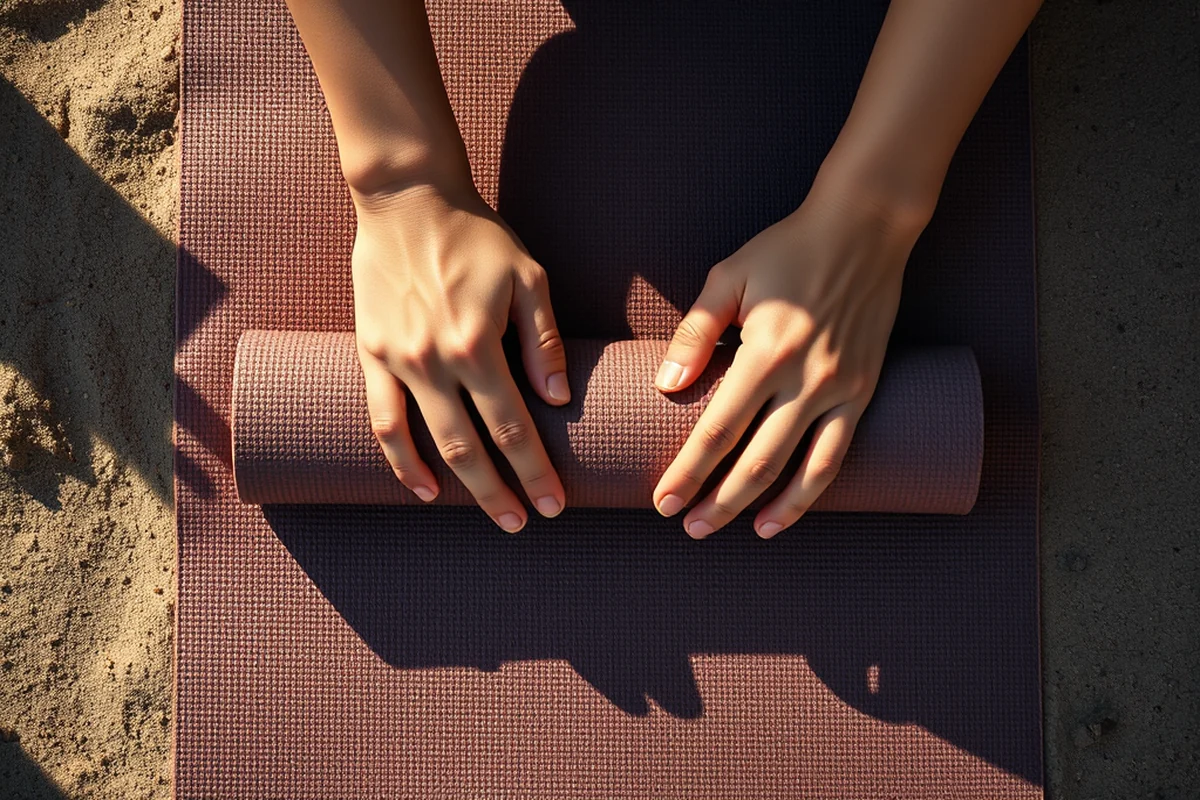
I remember my first time doing push-ups. I was so focused on how many I could do that I didn’t pay attention to my form. It didn’t take long for my shoulders to start hurting. That was a wake-up call. Proper form isn’t just about looking good — it’s about long-term progress.
When I started paying attention to my posture, the way I aligned my body, and how I moved through each rep, everything changed. My muscles started working the way they were supposed to, and my results improved significantly. You can practice form in front of a mirror or even use a phone camera to check your alignment.
I’ve taught hundreds of people how to move with proper form, and I can tell you with confidence that it makes all the difference. Take your time, move slowly, and focus on control over speed. That’s where real progress happens.
Form is the silent partner in every strength gain.
Related: Swimming training equipment for beginners
Start With Bodyweight Exercises
I once spent a month doing only bodyweight exercises, and I was amazed by the results. My core got stronger, my posture improved, and I felt more confident in my own skin. Bodyweight training doesn’t just build muscle — it builds discipline and consistency.
Some of the best bodyweight exercises for beginners include push-ups, squats, lunges, planks, and glute bridges. I’ve tested these with people who had never worked out before, and they all saw measurable improvements in just a few weeks.
One of the best things about bodyweight training is that you can do it anywhere — at home, in the park, or even in a hotel room. You don’t need a gym or a trainer to get started. All you need is a little space and a willingness to move.
If a push-up is too hard, try a knee push-up or a wall push-up. If a squat is too challenging, start with a chair or a bench. The key is to find a variation that works for you right now.
“The first time I tried resistance training, I was in my kitchen, holding a soup can like it was a dumbbell.”— Wrist Friendly Resistance Training editors
Related: Golf training aids for beginners
Add Resistance with Household Items
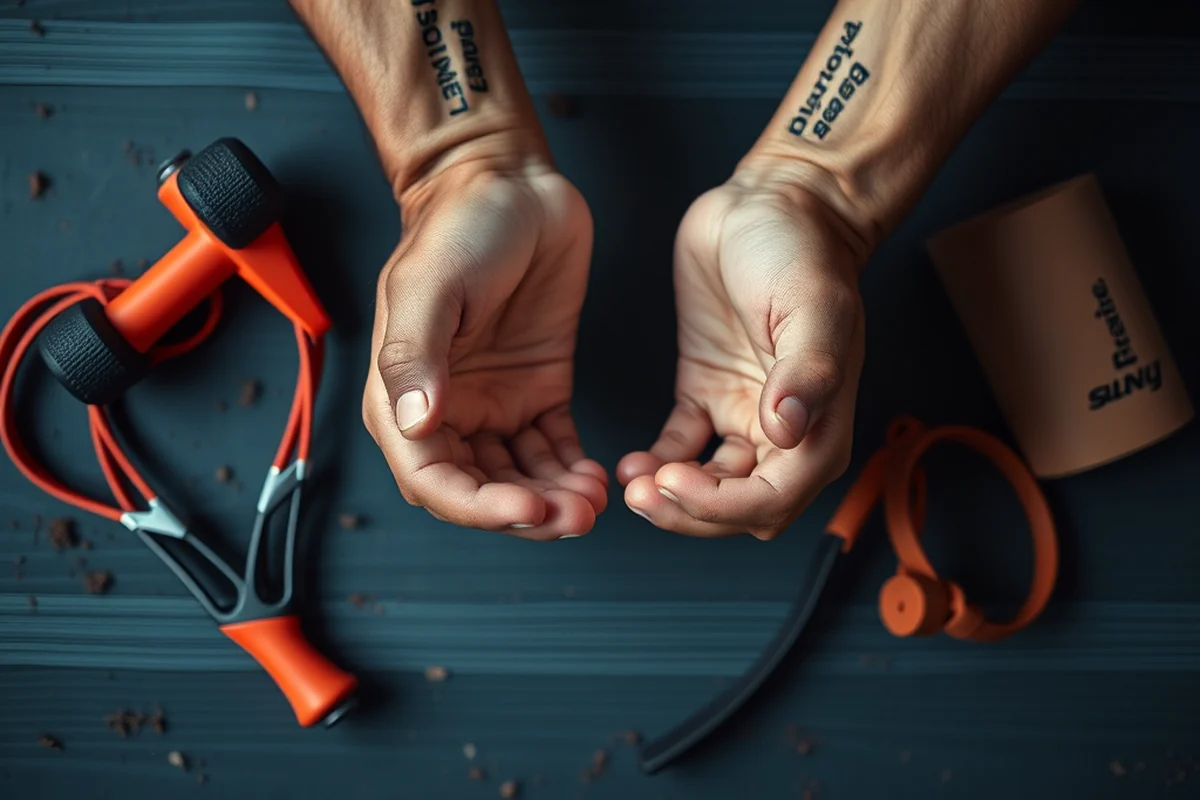
I once turned my laundry room into a mini-gym by using my laundry basket as a weight. It was simple, effective, and surprisingly challenging. I filled it with towels and used it for squats and shoulder presses. It worked, and it reminded me that you can make any space a workout zone.
Items like soup cans, water bottles, and even books can be used to add resistance to your workouts. You can use them for bicep curls, shoulder presses, and rows. The key is to find something that’s heavy enough to challenge you but not so heavy that you can’t control it.
I’ve tested this approach with people of all ages and fitness levels, and it always works. You can start with light weights and gradually increase the load as you get stronger. It’s all about progress, not perfection.
Related: Best golf putting training aids
Consistency is Key
I remember when I was first starting out, I thought that doing a workout once a week was enough. It wasn’t. I needed more. I realized that consistency is what makes the difference. It’s not about doing a lot — it’s about doing something, every day.
I’ve tracked my own progress over the years, and I can tell you that the most important factor is how often I show up. Even 15 minutes a day, five days a week, can lead to real results over time. It’s not about the amount — it’s about the habit.[3]
The key is to find a routine that works for you and stick with it. You can do bodyweight exercises, use household items, or even follow a short online workout. What matters is that you do it regularly and with intention.
Related: Golf swing speed training equipment
Track Your Progress
I started tracking my progress using a simple notebook. I wrote down how many push-ups I did each day, how long I could hold a plank, and how many squats I could do. It didn’t take long for me to see improvement. Tracking progress helps you see the small wins and stay motivated.
You can track your progress in a variety of ways — using a journal, an app, or even a photo. I’ve used both a journal and an app, and both worked. The key is to find a method that’s easy for you to use and stick with.
Tracking your progress also helps you stay consistent. When you see how much you’ve improved, it reinforces the habit. It’s a powerful motivator and an essential part of any resistance training routine.
Progress is a journey, not a destination.
Related: Jj keller training
Mix It Up to Stay Engaged
I used to stick to the same routine every day, and after a few weeks, I started to feel like I was going through the motions. That’s when I realized that mixing things up was important. I started adding new exercises, changing the order of my routine, and even trying different types of resistance training.
I’ve found that mixing things up keeps me motivated and engaged. It also helps me avoid plateaus and continue making progress. You don’t have to do the same thing every day — in fact, it’s better if you don’t.
The key is to find a balance between structure and variety. You want to have a routine that works for you, but you also want to keep it interesting. That’s where the real magic happens.
💪 Beginner-Friendly
Start with bodyweight exercises and household items to build strength gradually.
💰 Budget-Friendly
Use what you have at home to create a low-cost resistance training program.
⏱️ Fastest Results
Focus on high-intensity, short workouts for quick progress and maximum efficiency.
🔥 Advanced Progress
Add more weight, complexity, and variety to challenge your body and build strength.
🧘 Maintenance Mode
Keep your strength and fitness level stable with low-impact, sustainable workouts.
| The mistake | Why it happens | The fix |
|---|---|---|
| Doing too many reps too fast | This can lead to poor form and increase the risk of injury. | Focus on quality over quantity. Slow down and control each rep to ensure proper technique. |
| Ignoring rest days | Overtraining can lead to burnout and hinder progress. | Schedule rest days into your routine to allow your muscles to recover and grow. |
| Not warming up properly | Warming up helps prepare your muscles and joints for exercise, reducing the risk of injury. | Spend 5-10 minutes warming up before each session with dynamic stretches or light cardio. |
| Not tracking progress | Without tracking, it’s easy to lose motivation and not see how far you’ve come. | Track your workouts in a journal or app to stay motivated and see your improvements over time. |
Simple Resistance Training For Beginners
Common Questions
Do I need any equipment to start resistance training?
How long should I spend on each workout?
Can I do resistance training at home?
How often should I work out?
References
Cite this guide
Wrist Friendly Resistance Training (2026). Simple Resistance Training For Beginners. https://loadmend.com/simple-resistance-training-for-beginners/
Feel free to cite or share this guide.
Wrist-Friendly Resistance Tool Matcher
Ranks resistance equipment by wrist-friendliness.
Open it free →