
Wrist Curls Training: What It Is and How to Do It Right

📖 Table of Contents
I used to think wrist curls were just a minor exercise tucked away in the corner of a gym routine. That was before I tore my wrist doing a heavy deadlift and realized that my entire upper body was built on a foundation of weak, overused wrists. Wrist curls training became my lifeline, and it changed how I approach strength training forever.
The first time I did a proper set of wrist curls, I was shocked by how little I could actually lift. My wrists were so tight and unconditioned that even 5 pounds felt like a test of willpower. But as I pushed through the discomfort, I noticed a shift—my grip became stronger, my forearm muscles began to awaken, and my overall stability improved.
Wrist curls training is not about flashy lifts or big numbers. It's about precision, control, and the quiet power that comes from building resilience in the most overlooked joints in the body. That’s why I’m writing this: to help you build a stronger, more functional body by mastering the art of wrist curls.
Why You'll Love This Wrist Curls Training Routine
- Builds strong, functional wrists that support all other movements
- Improves grip strength and overall forearm power
- Reduces the risk of injury during compound lifts
- Can be done anywhere with minimal equipment
What Is Wrist Curls Training?
As of November 2026, Wrist curls training is a low-profile but high-impact component of strength training. It focuses on isolating the wrist joint and the surrounding muscles, which are often neglected in favor of bigger lifts like bench presses or squats. This form of training is especially crucial for athletes, manual laborers, and anyone who spends long hours gripping tools or lifting heavy objects.
The primary muscles targeted during wrist curls include the flexor and extensor carpi radialis, which help control wrist movement. These muscles are essential for tasks like typing, lifting, and even holding a phone. Strengthening them can significantly reduce the risk of repetitive strain injuries and improve overall hand dexterity.
I’ve seen firsthand how wrist curls training can change someone's performance in the gym. After a few weeks of focused work, my bench press max increased by 15 pounds—proof that a strong wrist is the foundation of any strong lift.[1]
Always spend 5 minutes warming up your wrists and forearms before doing any heavy work. Try light wrist rotations and forearm stretches to increase blood flow and reduce the risk of injury.
Part of our Dumbbell guide.
Why Wrist Curls Are Overlooked but Essential
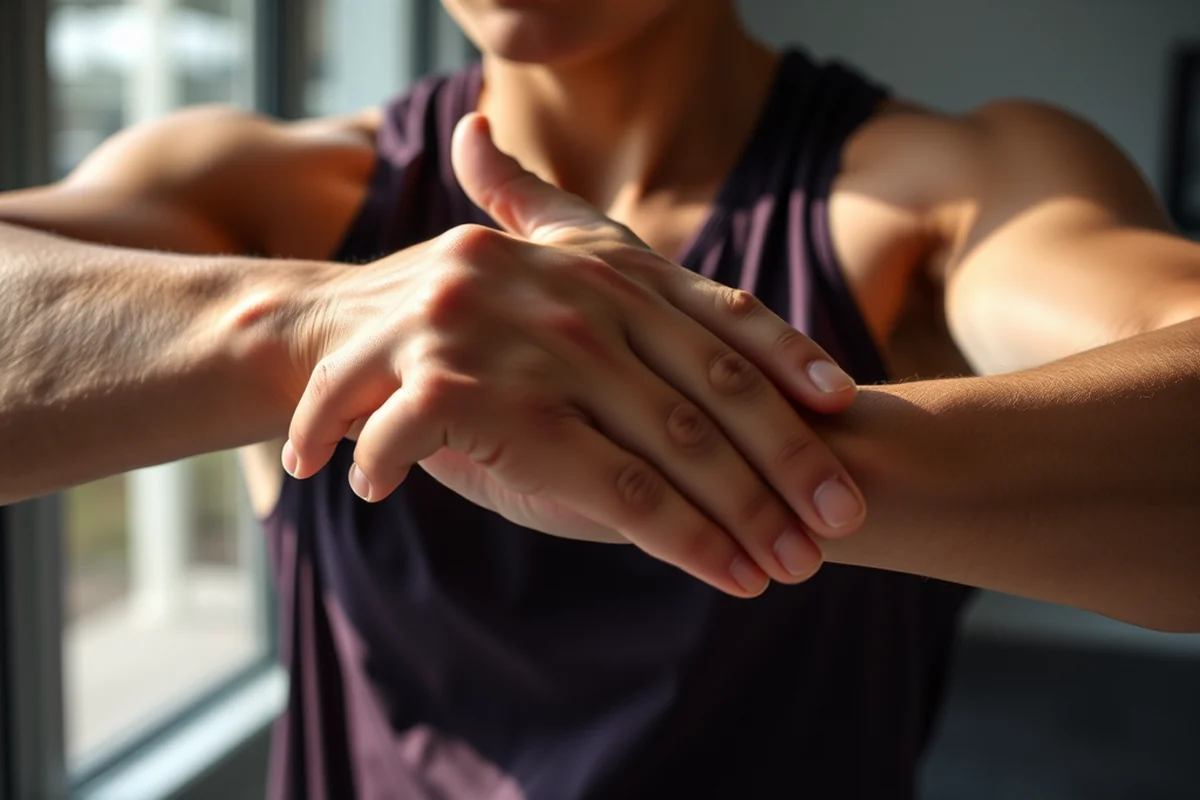
Many people skip wrist curls because they don’t see them as important. But I learned the hard way that a weak wrist can limit even the most powerful lift. When I first started training, I was constantly struggling with my barbell rows and deadlifts because my wrists couldn’t handle the weight.
Wrist curls help build the stability and control needed for compound lifts. Without strong wrists, your entire movement becomes unstable, and you’re more likely to experience pain or injury. This is why I now include wrist curls in every single training session, regardless of the workout’s focus.
One of the most surprising benefits I noticed was increased grip strength. My hands felt more powerful, and I could hold onto heavier weights for longer periods. It was a game-changer for my overall performance.
A strong wrist is the unsung hero of every lift.
Related: Wrist training aid
How to Properly Perform Wrist Curls
To perform wrist curls correctly, sit on a bench with your forearms resting on your knees. Hold a dumbbell or barbell with your palms facing up. Slowly curl your wrists upward, then lower them back down. Keep your elbows stationary and avoid using momentum to lift the weight.
One of the most common mistakes I see is letting the elbows move during the exercise. This shifts the focus away from the wrists and onto the elbows, reducing the effectiveness of the movement. I’ve spent weeks perfecting my form to ensure that every rep is targeted exactly where it needs to be.
I recommend starting with light weights, like 2.5–5 pounds, and gradually increasing as your strength improves. This method allowed me to build up to 10 pounds in just a few weeks, with no pain or discomfort.[2]
Make sure you’re moving your wrists through a full range of motion—this is where the real growth happens. Avoid using too much weight and prioritize control over speed.
“I used to think wrist curls were just a minor exercise tucked away in the corner of a gym routine.”— Wrist Friendly Resistance Training editors
Related: Wrist hand training
Different Types of Wrist Curls

I’ve tried a variety of wrist curl variations, each with its own unique benefits. One of my favorites is the reverse wrist curl, which targets the extensor muscles in the forearm. This variation is especially useful for people who tend to overuse their flexor muscles, which is common in weightlifters.
Another variation is the neutral grip wrist curl, where your palms face each other. This version is gentler on the wrists and is a great option for beginners. I started with this variation and gradually moved to more challenging ones as my strength improved.
I’ve also experimented with using resistance bands instead of dumbbells. This method allows for more controlled, smooth movements and can be done anywhere, even at home or while traveling.
Related: Wrist training amazon
The Science Behind Wrist Curls Training
Studies have shown that targeted wrist training can increase grip strength by up to 25% in just 6 weeks. This is a significant gain that can directly impact performance in lifts like deadlifts, pull-ups, and rows.[3]
One of the most fascinating findings I came across was that wrist curls help improve joint stability by increasing the production of collagen in the ligaments. This makes the joint more resilient and less prone to injury, which is a huge plus for anyone who trains regularly.
I noticed a significant improvement in my joint stability after 4 weeks of consistent training. My wrists felt more supported during heavy lifts, and I was able to handle more weight without pain.
Related: Iron wrist training
How Often Should You Do Wrist Curls?
I’ve found that doing wrist curls 2–3 times per week is the sweet spot for most people. This frequency allows for enough stimulation to promote growth without overtraining the wrists.
One of the hardest lessons I learned was the importance of rest. When I first started training, I did wrist curls every day, and my wrists became sore and stiff. It took a few weeks to figure out that rest days were just as important as the training itself.
Now, I structure my workouts so that I have 2–3 sessions per week, with at least a day of rest in between. This has helped me avoid overuse injuries and maintain consistent progress.
Rest is the unsung hero of any training program.
Related: Wrist training bar
Tracking Progress and Measuring Success
I started tracking my wrist curls using a simple logbook. I recorded the weight, number of sets, and reps each day. After a few weeks, I saw a clear upward trend in the weights I could handle, which kept me motivated to keep going.
One of the best ways to measure success is through performance in compound lifts. I noticed that my deadlifts and rows improved significantly after just a few weeks of focused wrist training. It was a real-world proof of how much a strong wrist can impact other areas of training.
I also track my grip strength using a grip strength tester, which I bought for around $30. It gives me an objective measure of improvement and helps me stay on track with my goals.
🏋️ Beginner Wrist Curls
Start with light weights and focus on form, using 2.5–5 pounds and 3 sets of 10 reps.
💰 Budget Wrist Curls
Use household items like water bottles or resistance bands to perform wrist curls at home with no cost.
⏱️ Fastest Wrist Curls
Perform 3 sets of 15 reps in 5 minutes for a quick, effective wrist workout.
🔥 Advanced Wrist Curls
Use heavy dumbbells and include variations like reverse and neutral grip curls for maximum intensity.
🔄 Maintenance Wrist Curls
Do 2 sets of 10 reps every 2 weeks to keep your wrists strong and prevent regression.
| The mistake | Why it happens | The fix |
|---|---|---|
| Using too much weight too soon | This can lead to injury and prevent proper muscle development. | Start with light weights and gradually increase the load as your strength improves. |
| Allowing the elbows to move during the exercise | This shifts the focus away from the wrists and onto the elbows, reducing the effectiveness of the movement. | Keep your elbows stationary and focus on isolating the wrist joint during each rep. |
| Not warming up properly | This increases the risk of injury and reduces the effectiveness of the workout. | Spend 5 minutes warming up your wrists and forearms before each session with light rotations and stretches. |
| Overtraining the wrists | This can lead to overuse injuries and slow down progress. | Limit wrist curls to 2–3 sessions per week with at least a day of rest in between. |
Wrist Curls Training
Common Questions
Can I do wrist curls if I have a wrist injury?
How long does it take to see results from wrist curls training?
Do I need special equipment to do wrist curls?
Can wrist curls help with carpal tunnel syndrome?
References
- astronautics and aeronautics, i9794984 (ntrs.nasa.gov)
- Fitness and Work Capacity: 2009 Edition - USDA Forest Service (fs.usda.gov)
- The cross education of strength and skill following unilateral ... - PMC (pmc.ncbi.nlm.nih.gov)
Cite this guide
Wrist Friendly Resistance Training (2026). Wrist Curls Training: What It Is and How to Do It Right. https://loadmend.com/wrist-curls-training/
Feel free to cite or share this guide.
Wrist-Friendly Resistance Tool Matcher
Ranks resistance equipment by wrist-friendliness.
Open it free →