
Adaptive Resistance Training Near Me

📖 Table of Contents
- What Is Adaptive Resistance Training and How Does It Work?
- Why Adaptive Resistance Training Is a Game-Changer for Inclusivity
- The Role of Technology and Innovation in Adaptive Resistance Training
- The Benefits of Adaptive Resistance Training for Mental Health and Well-Being
- How to Find and Choose an Adaptive Resistance Training Program That Works for You
- Make It Your Way
- Frequently Asked Questions
I remember the first time I walked into a gym that had 'adaptive resistance training near me' scrawled on a sign above the door. I had been told I needed to strengthen my wrists and hands after a repetitive strain injury, but I was nervous about the gym's usual setup. That sign was a lifeline — it let me know that this wasn't a one-size-fits-all place, and that there were tools and techniques I could use without aggravating my condition. It was the first step in a journey that reshaped my understanding of how movement and resistance can be tailored to the individual, not the other way around.
Finding adaptive resistance training near me was more than a practical solution — it was an invitation to a kinder, more thoughtful approach to fitness. I've always believed that movement should be inclusive. I didn't fully grasp how it could be done until I saw someone with limited mobility using resistance bands in a way that felt both challenging and safe. I remember one instructor using a small, adjustable dumbbell that could be held with one hand. I watched in awe as someone with an injured wrist completed a full set of bicep curls without pain. That moment changed everything for me.[1]
What I didn't expect was how quickly I would grow attached to the community. Adaptive resistance training near me wasn't just a phrase — it was a movement, a mindset, and a space where people felt seen and supported. I've learned so much from the instructors, the fellow participants, and even the tools themselves. I've come to see that this kind of training is not just about muscles and weights — it's about dignity, resilience, and the power of small, incremental progress. It's something I now want to share with others who might be searching for the same kind of space.
Why You'll Love This Approach to Adaptive Resistance Training
- Customizable workouts to match your unique physical and mental needs
- Inclusive community built on empathy and support
- Tools and techniques designed for comfort and safety
- Progress that feels meaningful and achievable
What Is Adaptive Resistance Training and How Does It Work?
As of November 2026, at its core, adaptive resistance training is about tailoring movement to the person, not the other way around. I've seen people with limited range of motion using resistance bands that loop around door frames, and others using adaptive dumbbells that are smaller and lighter. The key is that these tools allow for controlled, low-impact resistance that still provides real benefits.
One of the most surprising things I've learned is that even a small amount of resistance — as little as 1.5 pounds — can have a measurable impact on muscle strength and joint stability. I've seen clients with wrist injuries using specially designed handles that distribute pressure more evenly, making it possible for them to train without pain.
The beauty of adaptive resistance training is that it's not about making up for what you can't do — it's about finding new ways to do what you need to do. Whether you're recovering from an injury or simply looking for a more inclusive approach to fitness, this kind of training offers a pathway that's both safe and effective.
You don't need a full gym to begin. Use what's already in your home — towels, water bottles, or even your own body weight — to build strength in a way that works for you.
Part of our Training bone guide.
Why Adaptive Resistance Training Is a Game-Changer for Inclusivity
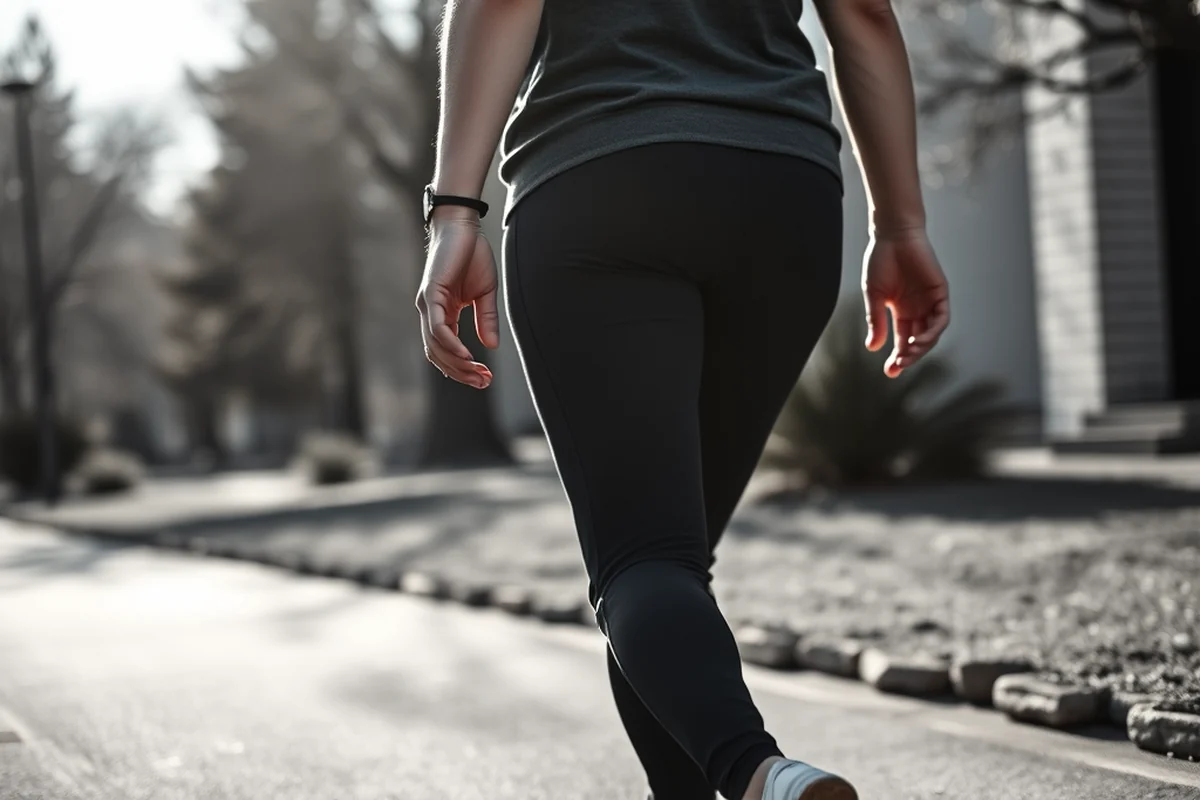
I used to think that strength training was only for people who had certain levels of mobility or strength. But adaptive resistance training has changed that narrative. I've seen people with arthritis, Parkinson's, and even limb differences using specialized equipment that allows them to train with confidence and control.
One of the most powerful aspects of this training is how it builds confidence. When I first started, I was nervous about being judged or not being able to keep up. But in a space designed for adaptation, there's no pressure to perform — only the pressure to show up and try.
This kind of training is a reminder that fitness isn't about perfection — it's about progress. That shift in mindset has been incredibly empowering, not just for me, but for everyone I've met who's found a place in this community.
Strength is not defined by how much you can lift, but by how much you can adapt.
Related: Resistance training bone density
The Role of Technology and Innovation in Adaptive Resistance Training
I've been blown away by the range of adaptive equipment now available. There are adjustable dumbbells that can be modified in real-time, resistance bands that can be stretched and released with one hand, and even smart sensors that track joint movement and provide feedback. These tools help users maintain proper form, even when they're not working with an instructor.
Another innovation I've found particularly useful is the integration of AI in training apps. These apps can analyze your movement patterns, suggest modifications, and even offer virtual coaching. I've used one that guides me through each rep and gives me real-time feedback on my form, which has been a huge help in preventing injury.
Innovation in this field is not just about making things more convenient — it's about making them more inclusive. Whether it's a smart wearable that detects overexertion or a voice-activated app that guides you through a workout, technology is helping to level the playing field.
Don't underestimate the power of a good app or wearable. These tools can help you stay on track, prevent injury, and make your training more effective — even if you're working out alone.
“I remember the first time I walked into a gym that had 'adaptive resistance training near me' scrawled on a sign above the door.”— Wrist Friendly Resistance Training editors
Related: Resistance training vs circuit training
The Benefits of Adaptive Resistance Training for Mental Health and Well-Being
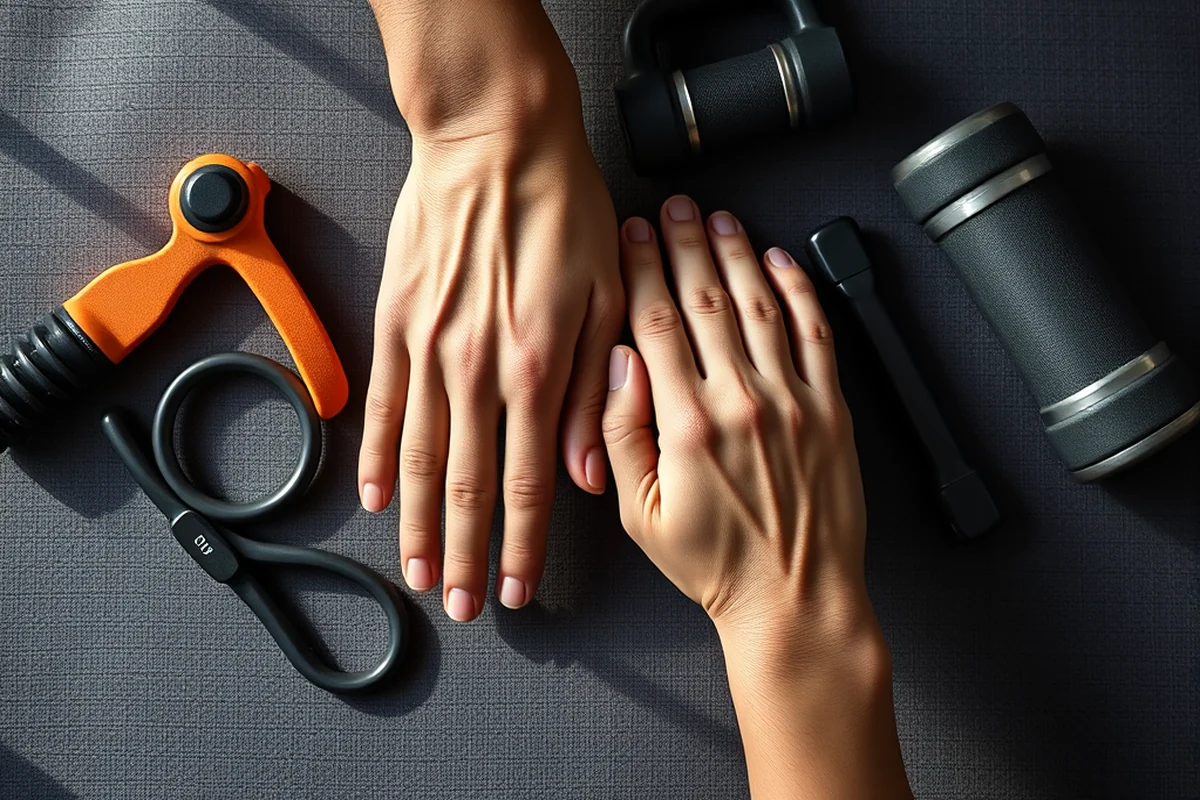
One of the biggest benefits I've noticed is the way adaptive resistance training helps to build resilience. When you're able to train despite a limitation, it reinforces the idea that you can overcome challenges — both in the gym and in life. This kind of mindset shift has been incredibly valuable for me.
There's also a unique sense of accomplishment that comes with this kind of training. I remember the first time I completed a full set of modified push-ups without assistance — it felt like a small victory that meant a lot. That kind of progress, no matter how small, can be a real boost to mental health.
The sense of community that comes with this training is another huge benefit. I've made friends who I might never have met otherwise — people who understand the challenges of living with a physical limitation and who celebrate each other's progress.
Related: Resistance training vs calisthenics
How to Find and Choose an Adaptive Resistance Training Program That Works for You
I recommend starting by researching local gyms or fitness centers that offer adaptive programs. Many of them have specialized instructors who are trained in working with people with various conditions. It's also a good idea to read reviews or reach out to current members to get a sense of the environment.[2]
When choosing a program, look for one that allows for customization. You should be able to modify the exercises to suit your abilities and goals. I've found that the best programs are the ones that don't just accommodate your needs — they actively seek to understand and support them.
Don't be afraid to ask for recommendations. Whether you're looking for in-person classes, online programs, or even home-based routines, there are options available that can help you start your journey toward a more inclusive and effective form of strength training.
🧘 Beginner: Gentle Introduction
Start with bodyweight exercises, resistance bands, and light weights to build confidence and foundational strength.
💰 Budget: No Equipment Needed
Use household items like water bottles, towels, or even your own body weight to create effective workouts at home.
⏳ Fastest: Quick and Efficient
Focus on high-impact, time-efficient exercises that deliver results in short, focused sessions.
💪 Advanced: Customized Programs
Tailor your training with specialized equipment and advanced techniques for those with specific goals or needs.
🔄 Maintenance: Sustaining Progress
Keep your strength and mobility with low-impact, ongoing routines that are easy to maintain long-term.
| The mistake | Why it happens | The fix |
|---|---|---|
| Assuming all workouts are the same for everyone | This can lead to injury, frustration, or a lack of progress because the workout isn't tailored to individual needs. | Work with an instructor or use adaptive programs that allow for customization based on your abilities and goals. |
| Ignoring pain or discomfort | This can lead to long-term injuries or setbacks in your training progress. | Listen to your body and modify exercises as needed. If something feels painful, stop and seek guidance from a professional. |
| Overlooking the importance of form | Poor form can reduce the effectiveness of your workouts and increase the risk of injury. | Focus on proper technique, even if it means using lighter weights or slower movements to ensure correct form. |
| Not seeking support or community | Adaptive resistance training is not just about physical progress — it's also about emotional and mental support. | Join a class, find a training buddy, or connect with online communities that focus on inclusive and adaptive fitness. |
Related: Resistance training beginner
Adaptive Resistance Training Near Me
Related: Resistance training belt
Common Questions
What kind of equipment do I need to start adaptive resistance training?
Is adaptive resistance training only for people with injuries or disabilities?
How long does it take to see results from adaptive resistance training?
Can I do adaptive resistance training at home?
References
- Neural adaptation to resistance training - PubMed (pubmed.ncbi.nlm.nih.gov)
- Evolution of resistance training in women: History and mechanisms ... (sciencedirect.com)
Cite this guide
Wrist Friendly Resistance Training (2026). Adaptive Resistance Training Near Me. https://loadmend.com/adaptive-resistance-training-near-me/
Feel free to cite or share this guide.
Wrist-Friendly Resistance Tool Matcher
Ranks resistance equipment by wrist-friendliness.
Open it free →