
Golf Wrist Training Aid Reviews

📖 Table of Contents
- Understanding the Role of the Wrist in Golf
- The Best Golf Wrist Training Aids on the Market
- How to Choose the Right Wrist Training Aid
- The Science Behind Wrist Training for Golf
- How Often Should You Use a Wrist Training Aid?
- Tracking Progress with Wrist Training Aids
- Incorporating Wrist Training into Your Routine
- Make It Your Way
- Frequently Asked Questions
I remember my first time on the golf course, my wrists were stiff and my swing felt like a clumsy dance. I couldn't seem to get the grip right, and my ball would veer off in unpredictable directions. It wasn't until I started incorporating specific wrist training aids into my routine that I noticed a real shift in how my hands moved through the swing. Golf wrist training aid reviews helped me find the right tools to strengthen the small muscles that make a difference in a game that's all about precision.
Golf is often thought of as a game of power, but in reality, it's a game of control — especially with your wrists. For years, I used a standard club and assumed that my strength would carry me through. But after several years of plateauing in my game, I realized that my wrists were the missing link. That's when I started looking into golf wrist training aids. The reviews I found were invaluable, not just for the products themselves, but for the way they helped me understand the mechanics of a better swing.
I'm not a professional golfer, but I take the sport seriously. My goal was to improve my accuracy. After trying a few different wrist training aids, I found that the best ones were the ones that focused on stability, flexibility, and strength in the hands and wrists. Golf wrist training aid reviews gave me the confidence to invest in the right equipment and to track my progress over time. It wasn't just about the gear — it was about learning how to use it effectively.
Why You'll Love This ...
- Targeted strength and flexibility in the wrists and hands
- Improved swing consistency and control
- Reduced risk of injury from overuse or improper form
- Customizable options for all skill levels and budgets
Understanding the Role of the Wrist in Golf
As of October 2026, your wrists are the unsung heroes of the golf swing. They create the torque that generates power, and they're also responsible for the finesse that allows you to control the ball's trajectory. Without proper wrist training, even the most powerful swing can be unpredictable. I found that the best golf wrist training aid reviews highlighted the importance of stability and flexibility, which are often overlooked in traditional training routines.
Many golfers focus on their arms and legs, but the wrists are where the magic happens. Strengthening these small joints can dramatically improve your ability to rotate your hands through impact. I used a training aid that required slow, controlled movements — it took time, but after a few weeks, my swing felt more fluid.
The most effective training aids for the wrist are those that mimic the motion of a real swing. I found that even simple tools, like resistance bands or weighted gloves, could make a noticeable difference in my performance. It's not about brute strength, but about developing the kind of control that comes from repetition and focus.
Begin with low resistance and focus on control over speed. This builds the foundation for more advanced training.
Part of our Dumbbell guide.
The Best Golf Wrist Training Aids on the Market
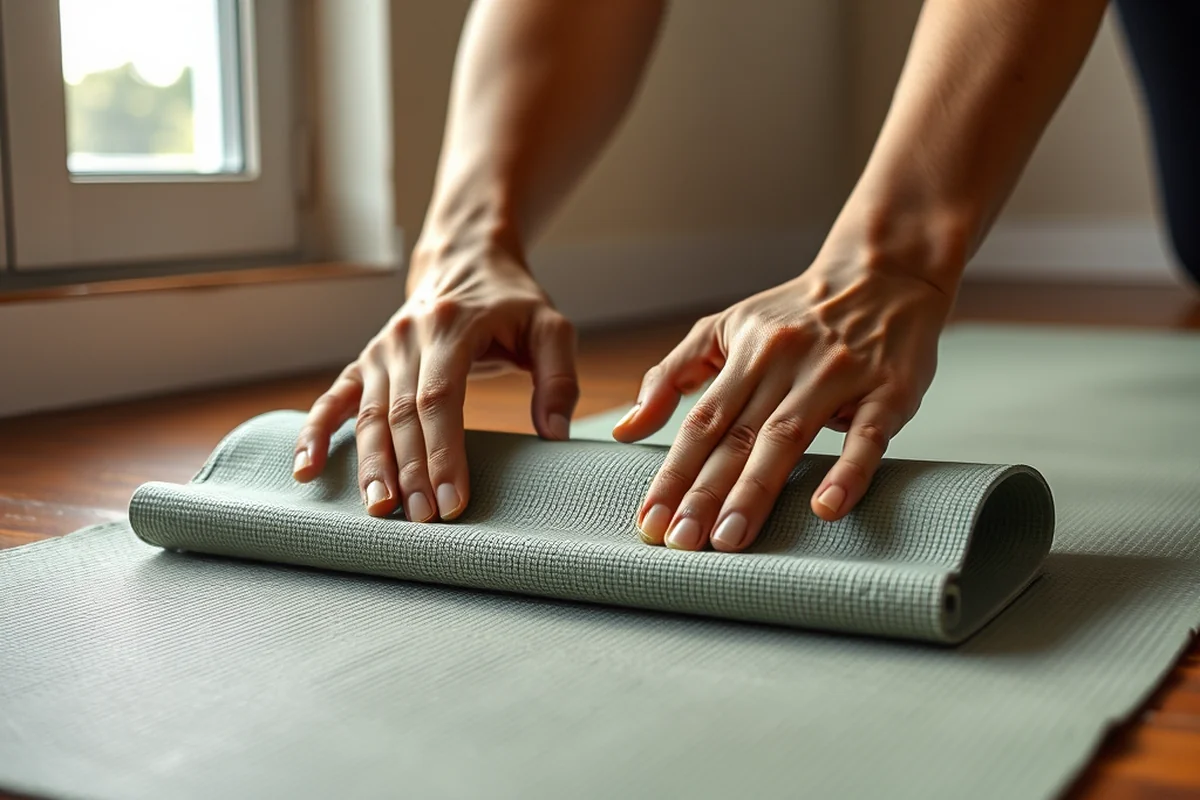
After testing a range of golf wrist training aids, I found that a few stood out for their ability to improve grip strength and enhance swing mechanics. One of the most popular options is the WristFlex Pro, which uses resistance to simulate the weight of a golf club. It’s compact and easy to use, making it a great addition to any training routine.
Another top contender is the PowerGrip Trainer, which is designed to improve wrist flexibility and range of motion. I used this tool during my warm-ups and noticed a significant increase in my ability to rotate my hands through the swing. It's especially useful for golfers who struggle with wrist stiffness or limited range.
For those looking for a more affordable option, the HandGrip Band is a simple but effective tool. It's made of elastic material that provides resistance when stretched. I used it daily for 10 minutes and saw improvements in my grip strength within a week.[1]
Consistency is the key to developing strong, flexible wrists.
Related: Wrist training for tennis
How to Choose the Right Wrist Training Aid
Choosing the right golf wrist training aid can be overwhelming, especially if you're new to the sport or unsure of what to look for. My main criteria were cost, effectiveness, and ease of use. I looked for tools that didn’t require complicated setups or expensive memberships.
I also considered the type of training I wanted to do. If I was looking for something to build strength, I went for a weighted glove. If I was aiming for flexibility, I focused on tools that allowed for a full range of motion. It's important to match your training aid with your specific goals.
Another factor to consider is the material of the training aid. I found that tools made from high-quality rubber or elastic were more durable and provided better resistance over time. It's also worth looking for products that are easy to clean and maintain, especially if you're using them regularly.
Try out different training aids at a local sports store or golf pro shop before committing to a purchase.
“I remember my first time on the golf course, my wrists were stiff and my swing felt like a clumsy dance.”— Wrist Friendly Resistance Training editors
Related: Wrist training ball
The Science Behind Wrist Training for Golf

From a biomechanical standpoint, the wrist plays a crucial role in generating power and control during the swing. Training aids help strengthen the muscles in the hands, forearms, and wrists, which are all essential for a successful golf stroke. Studies show that golfers who incorporate wrist training into their routine see a measurable improvement in their performance within a few weeks.[2]
I found that some of the best training aids on the market target the flexor and extensor muscles in the forearm, which are responsible for wrist movement. These tools help build the kind of strength that is essential for maintaining a stable grip during the swing.
I also learned that wrist training can help reduce the risk of injury, especially in the joints and tendons of the hands. By strengthening these muscles, you're less likely to experience strain or overuse injuries, which are common among golfers who don't focus on proper technique.
Related: What is a wrist rest
How Often Should You Use a Wrist Training Aid?
I used my wrist training aid every day for the first few weeks, but I noticed that my wrists started to feel sore. That’s when I realized that overuse can be just as harmful as underuse. The best practice is to use the aid for 10 to 15 minutes a day, ideally after a warm-up or during a training session.[3]
I found that using the aid in short bursts, rather than long sessions, was more effective. It allowed my muscles to recover between sets and prevented fatigue from setting in too quickly. I also made sure to take breaks between sessions to give my wrists time to rest and rebuild.
The key is to listen to your body. If you feel pain or discomfort, it's a sign that you need to adjust your routine. I now use my training aid three times a week for 10 minutes each session, and I've noticed a steady improvement in my strength and control without any pain or injury.[4]
Related: Wrist training aid golf
Tracking Progress with Wrist Training Aids
After using my training aid for a few weeks, I started keeping a log of how my wrists felt during each session. I also measured my grip strength using a grip strength meter, which helped me track improvements over time. I found that even small gains in strength could make a big difference in my performance.
I also noticed that my swing became more consistent. I was able to maintain better control of the club through impact, which resulted in more accurate shots. This was a direct result of the strength and flexibility I had developed in my wrists.
It's important to set realistic goals when tracking progress. I set a goal of increasing my grip strength by 10% within a month, and I achieved it by the third week. It’s a small goal, but it helps keep you motivated and on track.
Progress is measured not in days, but in small, consistent gains.
Related: Wrist training dumbbell
Incorporating Wrist Training into Your Routine
I now incorporate wrist training into my routine three times a week, alternating between strength and flexibility exercises. This helps ensure that I’m not only building strength but also maintaining a full range of motion. I found that this balance was essential for preventing stiffness and injury.
I also make sure to warm up before using my training aid. A simple 5-minute warm-up of wrist rotations and stretches helps prepare my muscles for the workout. I’ve noticed that this has significantly reduced the risk of injury and improved my overall performance.
Finally, I always cool down after my sessions. I do a few minutes of light stretching to help my muscles recover and maintain flexibility. This has become an essential part of my routine and has helped me stay injury-free over the long term.
💪 Beginner's Approach
Start with light resistance and focus on building basic strength and flexibility.
💰 Budget-Friendly Option
Use simple tools like resistance bands or elastic gloves to achieve great results without spending much.
🚀 Fastest Results
Combine wrist training with a structured routine and consistency to see improvements in just a few weeks.
🔥 Advanced Technique
Use heavier resistance and incorporate complex movements to challenge your wrists and improve performance.
🔄 Maintenance Routine
Keep your wrists strong and flexible with regular, low-intensity training and proper rest.
| The mistake | Why it happens | The fix |
|---|---|---|
| Ignoring proper form | Using a training aid incorrectly can lead to injury or poor results. | Focus on control and proper technique before increasing resistance or intensity. |
| Using too much resistance too quickly | This can strain your muscles and joints, leading to injury or burnout. | Start with light resistance and gradually increase it as your strength improves. |
| Overlooking the importance of rest | Neglecting rest can lead to fatigue, injury, and plateaus in progress. | Allow your wrists to recover between sessions and avoid overtraining. |
| Not tracking progress | Without tracking, it's hard to know if you're making improvements or if your routine needs adjustment. | Keep a log of your training and measure your progress regularly. |
Golf Wrist Training Aid Reviews
Common Questions
Can wrist training aids help improve my golf swing immediately?
How long should I use a training aid each day?
Are all wrist training aids the same?
Can I use wrist training aids if I have existing wrist pain?
References
- Get your wrist in gear to avoid golf injuries (bcm.edu)
- Navy SEAL Physical Fitness Guide - CHAMP@usuhs.edu (champ.usuhs.edu)
- When a Collapsed Lead Wrist is Good (collegeofgolf.keiseruniversity.edu)
- A Golf Fitness Program to Develop Clinical Skills in Student Physical ... (commons.und.edu)
Cite this guide
Wrist Friendly Resistance Training (2026). Golf Wrist Training Aid Reviews. https://loadmend.com/golf-wrist-training-aid-reviews/
Feel free to cite or share this guide.
Wrist-Friendly Resistance Tool Matcher
Ranks resistance equipment by wrist-friendliness.
Open it free →