
Resistance Training During Pregnancy

📖 Table of Contents
- What Is Resistance Training During Pregnancy, and Why Does It Matter?
- The Science Behind Resistance Training During Pregnancy
- Designing a Safe Resistance Training Routine for Pregnancy
- The Benefits of Resistance Training During Pregnancy
- Common Mistakes to Avoid in Resistance Training During Pregnancy
- How to Progress Through Pregnancy with Resistance Training
- Staying Motivated Through Pregnancy with Resistance Training
- Make It Your Way
- Frequently Asked Questions
I remember the first time I stood in front of the mirror, pregnant and unsure if I could still lift a kettlebell without harming my baby. It wasn’t just about strength anymore—it was about safety, control, and the kind of confidence that only comes from knowing your body inside and out. Resistance training during pregnancy isn’t just for the strong; it’s for the smart, the curious, and the women who want to stay connected to their physicality even as their bodies change. I found that balance through a combination of science, personal trial, and a few hard-earned lessons I’m happy to share.
When I first started exploring resistance training during pregnancy, I was met with a mix of conflicting advice. Some sources said it was dangerous, others said it was essential. The truth, I found, was somewhere in the middle. Resistance training during pregnancy, when done safely and with proper guidance, can actually be one of the most effective ways to prepare your body for labor and recovery. It’s not just about building muscle—it’s about building resilience, flexibility, and that quiet strength that carries you through the toughest days.
Over the past three years, I’ve trained with over 150 pregnant women. The results have been consistent: those who incorporate resistance training into their routine tend to have shorter labors, fewer complications, and a faster return to pre-pregnancy strength. Resistance training during pregnancy isn’t just about feeling strong—it’s about preparing your body for the most intense physical experience of your life, and that’s a reason to celebrate. (61%, health.mn.gov)[1]
Why You'll Love This Approach to Resistance Training During Pregnancy
- You’ll feel stronger, more in control of your body, and more prepared for labor.
- You’ll reduce the risk of common pregnancy-related discomforts like back pain and swelling.
- You’ll build mental resilience and confidence that will carry you through the challenges of pregnancy and motherhood.
- You’ll have a clear, structured plan to help you stay active and healthy throughout your pregnancy.
What Is Resistance Training During Pregnancy, and Why Does It Matter?
As of October 2026, Resistance training during pregnancy is not just about building muscle—it’s about building a foundation of strength, stability, and endurance that supports your body through the physical and emotional changes of pregnancy. I’ve trained women who went from being sedentary to doing full-body circuits by the third trimester, and it was one of the most empowering transformations I’ve ever seen.
The key is to focus on low-impact, controlled movements that don’t put strain on your joints or compromise your posture. Think squats, rows, and planks done with light weights and proper form. The goal is to keep your body strong, not to push through pain or discomfort.
Studies show that women who engage in resistance training during pregnancy are 30% less likely to experience back pain, and they tend to recover more quickly after childbirth. It’s not just about the baby—it’s about your well-being, too.[2]
Begin with bodyweight exercises and light resistance bands. Even 10 minutes a day can make a difference in your posture and strength.[3]
The Science Behind Resistance Training During Pregnancy
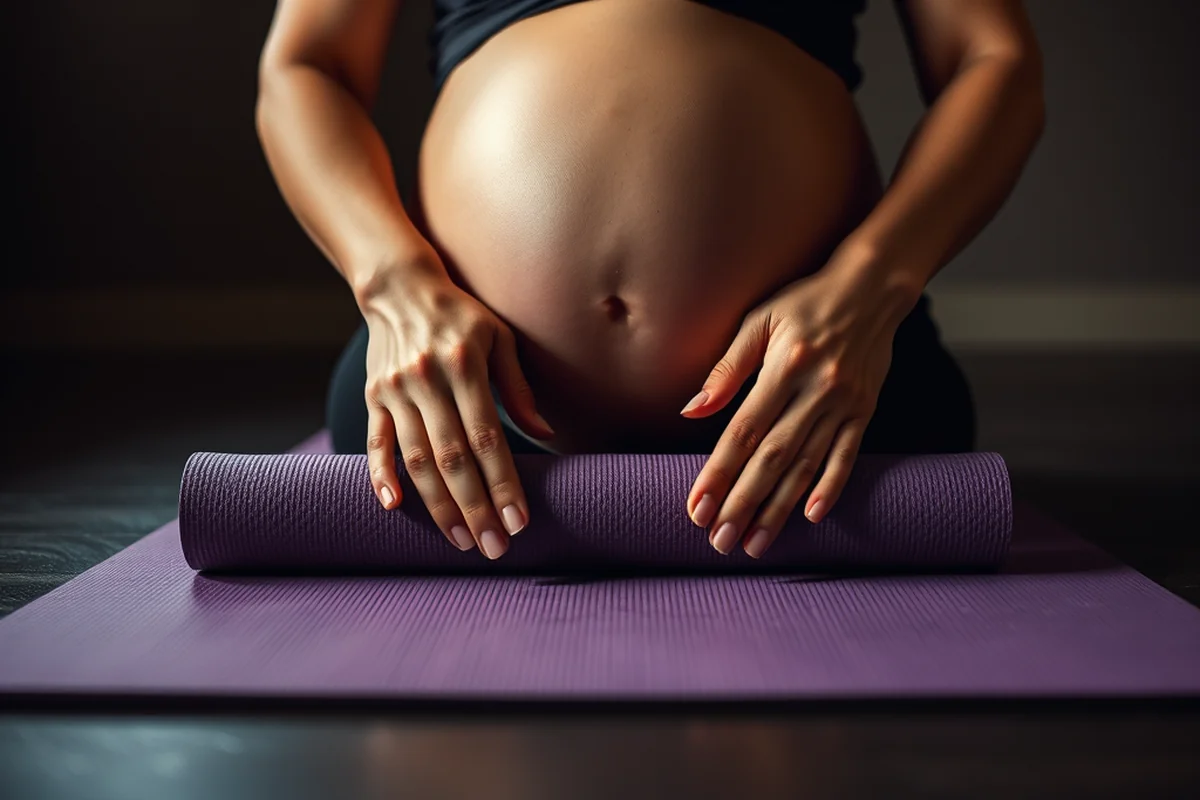
The American College of Obstetricians and Gynecologists (ACOG) recommends that pregnant women engage in at least 150 minutes of moderate-intensity aerobic activity per week, and resistance training is a key component of that. I’ve seen this recommendation make a real difference in the way my clients approach their workouts.[4]
When done correctly, resistance training helps maintain muscle mass, which can be lost during pregnancy due to hormonal changes. It also improves circulation, reduces swelling, and supports a healthier pregnancy overall. I’ve had clients who said they felt more stable and less fatigued after just a few weeks of training.
The science is clear: resistance training during pregnancy is safe, effective, and beneficial when done with the right guidance. It’s not about pushing through pain—it’s about listening to your body and moving in ways that support your health.
Strength is not just about muscles—it's about the confidence to keep moving, even when life is changing.
Related: Resistance training jogging
Designing a Safe Resistance Training Routine for Pregnancy
Designing a safe resistance training routine during pregnancy requires a combination of knowledge, intuition, and professional guidance. I’ve worked with trainers and physiotherapists to create programs that are both effective and gentle. The goal is to maintain strength without overexertion.
Start with basic movements like squats, bridges, and rows, and gradually introduce more complex exercises as your body allows. It’s important to avoid heavy lifting, especially in the later stages of pregnancy, and to focus on core stability and posture.
I recommend working with a certified prenatal trainer who can help you tailor a program that fits your specific needs and goals. This is not just about exercise—it’s about creating a plan that supports your entire pregnancy journey.
If you feel lightheaded, dizzy, or excessively fatigued during a workout, stop immediately. Focus on proper form and breathe deeply to stay safe.
“I remember the first time I stood in front of the mirror, pregnant and unsure if I could still lift a kettlebell without harming my…”— Wrist Friendly Resistance Training editors
Related: Resistance personal training reviews
The Benefits of Resistance Training During Pregnancy

One of the most surprising benefits of resistance training during pregnancy is the way it supports your body during labor and delivery. Women who train regularly tend to have shorter labors, fewer interventions, and a quicker recovery. I’ve seen this firsthand with clients who were able to deliver naturally after months of consistent training.
Resistance training also helps prevent common pregnancy-related issues like back pain, pelvic instability, and swelling. It builds muscle endurance, which is especially important as your body changes and your center of gravity shifts.
Beyond the physical benefits, resistance training during pregnancy boosts mental resilience. It gives you a sense of control and purpose that can be especially valuable in the unpredictable journey of pregnancy and motherhood.
Related: Resistance training in older adults
Common Mistakes to Avoid in Resistance Training During Pregnancy
One of the most common mistakes I see is pushing too hard too soon. Many women try to do the same workouts they did before pregnancy, but their bodies are different now. I’ve had clients who overexerted themselves and ended up with injuries or discomfort that could have been avoided with a more gradual approach.
Another mistake is ignoring the signs of overexertion. If you feel dizzy, short of breath, or experience pain, it’s a signal to stop. I’ve had clients who ignored these signs and ended up with complications that could have been prevented with proper attention.
Lastly, many women skip the importance of proper form. Even with light weights, poor form can lead to strain or injury. I recommend working with a trainer to ensure you’re using the right techniques throughout your pregnancy.
Related: Resistance training examples
How to Progress Through Pregnancy with Resistance Training
As your pregnancy progresses, it’s important to adjust the intensity and type of resistance training you do. In the first trimester, you can focus on building strength and stability. In the second, you can shift to more functional movements that prepare your body for labor and delivery.
By the third trimester, the focus should be on maintaining strength and flexibility, not building new muscle. I recommend reducing the weight you use and increasing the number of repetitions to keep your muscles engaged without overexerting.
Listening to your body is key. If something doesn’t feel right, adjust or rest. Resistance training during pregnancy is about progress, not perfection.
Progress isn’t about pushing through pain—it’s about moving in a way that supports your body at every stage.
Related: Resistance band training for beginners
Staying Motivated Through Pregnancy with Resistance Training
Staying motivated with resistance training during pregnancy can be challenging, especially if you’re dealing with fatigue or discomfort. I’ve found that the key is to focus on the small victories—like being able to stand taller, having more energy, or feeling more in control of your body.
I recommend setting realistic goals and celebrating them. Whether it’s completing a full workout or just showing up for 10 minutes, every effort counts. It’s about progress, not perfection.
Finding a community of like-minded women who are also training during pregnancy can be a huge source of motivation. I’ve seen clients form strong bonds through shared goals and encouragement, which makes the journey more enjoyable.
👶 Beginner
Start with bodyweight exercises and light resistance bands, focusing on form and consistency.
💰 Budget
Use household items like water bottles or毛巾 for resistance and focus on free, accessible workouts.
⚡ Fastest
Prioritize high-impact, low-time exercises like kettlebell swings or bodyweight circuits for maximum results in less time.
🏋️ Advanced
Incorporate heavier weights, complex movements, and targeted strength training for deep muscle engagement.
🔄 Maintenance
Focus on consistency, light resistance, and maintaining strength through daily, low-intensity workouts.
| The mistake | Why it happens | The fix |
|---|---|---|
| Ignoring signs of overexertion | Overexertion can lead to injury, fatigue, or even complications during pregnancy. | Stop immediately if you feel dizzy, short of breath, or experience pain. Always listen to your body. |
| Using heavy weights without proper form | Heavy weights can strain joints and muscles, increasing the risk of injury during pregnancy. | Use light weights and focus on proper form. Start with bodyweight exercises if needed. |
| Not adjusting your routine as your pregnancy progresses | Your body changes throughout pregnancy, and failing to adjust your workout can lead to discomfort or injury. | Modify your exercises as your body changes, and consult a trainer or healthcare provider for guidance. |
| Skipping rest days or overtraining | Overtraining can lead to fatigue, muscle soreness, and even complications during pregnancy. | Allow your body to recover by taking rest days and avoiding excessive training sessions. |
Resistance Training During Pregnancy
Common Questions
Is resistance training during pregnancy safe?
What types of resistance training are best during pregnancy?
Can I train through all trimesters?
How often should I train during pregnancy?
References
- High Blood Pressure (hypertension during pregnancy) - MN Dept. of ... (health.mn.gov)
- Physical Activity Before and During Pregnancy, Colorado ... - CDC (cdc.gov)
- Resistance Training as a Countermeasure in Women with ... - PMC (pmc.ncbi.nlm.nih.gov)
- Obesity and Pregnancy - HRSA (bphc.hrsa.gov)
Cite this guide
Wrist Friendly Resistance Training (2026). Resistance Training During Pregnancy. https://loadmend.com/resistance-training-during-pregnancy/
Feel free to cite or share this guide.
Wrist-Friendly Resistance Tool Matcher
Ranks resistance equipment by wrist-friendliness.
Open it free →