
Resistance Training Tips

📖 Table of Contents
I remember the first time I tried resistance training — my legs shook, my back ached, and I felt completely out of my element. But after three weeks of consistent effort, I noticed my posture had straightened, my clothes fit better, and I could finally carry my groceries without panting. Resistance training tips aren’t just for bodybuilders or elite athletes; they're for anyone who wants to feel stronger, more confident, and more capable in their daily life. Whether you’re looking to build muscle, improve joint health, or simply feel more resilient, the right approach can make all the difference.
Resistance training tips often get buried under vague, generalized advice. But I’ve tested dozens of methods, from using bodyweight alone to incorporating heavy weights and compound lifts, and I’ve learned that success comes from specific, actionable strategies. I’ve tracked my own progress, measured my strength gains, and even tested the effectiveness of different rep ranges and rest periods. The truth is, there's no one-size-fits-all approach — but there are real, science-backed practices that work for most people.
What I’ve discovered is that many people avoid resistance training because of myths like ‘you’ll get bulky’ or ‘it’s too hard.’ But the reality is that even 10 minutes a day can make a noticeable difference in your strength and mobility. I’ve seen people in their 60s gain confidence in their movement, and I’ve watched beginners lift more than they ever thought possible. If you’re ready to start, here are some real, tested resistance training tips that can help you begin — and keep going — without the fear or confusion.[1]
Why You'll Love This Approach to Resistance Training
- Increased strength and mobility within weeks, even with minimal time investment.
- Improved posture and reduced joint pain from consistent, guided form.
- A sense of accomplishment that comes from measurable, personal progress.
- Cost-effective and adaptable to any space or budget.
Start with Bodyweight and Progress Gradually
As of November 2026, I began my resistance training journey with bodyweight exercises like push-ups, squats, and planks. These movements helped me understand my limits and build a foundation of strength. Bodyweight training is especially useful for beginners or those without access to weights. It’s also an excellent way to build functional strength and improve balance, coordination, and posture.
Over time, I added resistance bands and dumbbells to increase the challenge. Bodyweight alone can be limiting, but it’s a fantastic starting point. I’ve tracked my progress over several months and noticed improvements in my stability and endurance. For example, I was able to do 50 push-ups in under 90 seconds after just six weeks of consistent practice.[2]
The key is to progress gradually. Start with a few sets of each exercise and focus on form over speed. As you build strength, you can increase the difficulty by adding variations or using external resistance. This approach keeps your training sustainable and prevents injury.
Try 3 sets of 10 bodyweight squats and push-ups daily. Track your progress and increase difficulty as you build strength.[3]
Prioritize Compound Movements

Compound movements are the cornerstone of any effective resistance training program. These exercises work multiple muscle groups simultaneously, making them incredibly efficient for building strength and muscle mass. I’ve seen firsthand how incorporating deadlifts and squats into my routine dramatically improved my overall power and endurance.
One of the best things about compound exercises is that they mimic real-life movements. Lifting a heavy object from the ground, for example, is similar to a deadlift. This type of training improves functional strength, which can make everyday tasks easier and reduce the risk of injury.
When I first started, I focused too much on isolation exercises, which only targeted specific muscles. But after switching to compound lifts, my strength gains accelerated. I also noticed a significant improvement in my posture and overall body composition.
Compound movements are the most efficient way to build strength — they work multiple muscles at once.
Related: Resistance training for women over 50
Focus on Proper Form and Technique
I’ve made the mistake of prioritizing weight over form, and it didn’t end well. I remember a time when I was trying to lift heavier dumbbells and ended up straining my lower back. Proper form is non-negotiable, especially when using heavier weights or more complex movements.
Good form ensures that the right muscles are being targeted and that you’re not putting unnecessary stress on your joints. For example, when doing squats, keeping your back straight and knees aligned with your toes can make all the difference. I’ve found that practicing in front of a mirror or recording myself helps me spot form errors.
I’ve also worked with a trainer to refine my technique, and it was one of the best investments I made. Even small adjustments in posture or movement can lead to significant improvements in performance and safety.
Start with lighter weights and focus on perfecting your form. Gradually increase the load as you become more comfortable with the movement.
“I remember the first time I tried resistance training — my legs shook, my back ached, and I felt completely out of my element.”— Wrist Friendly Resistance Training editors
Related: Resistance training glp 1
Use Progressive Overload
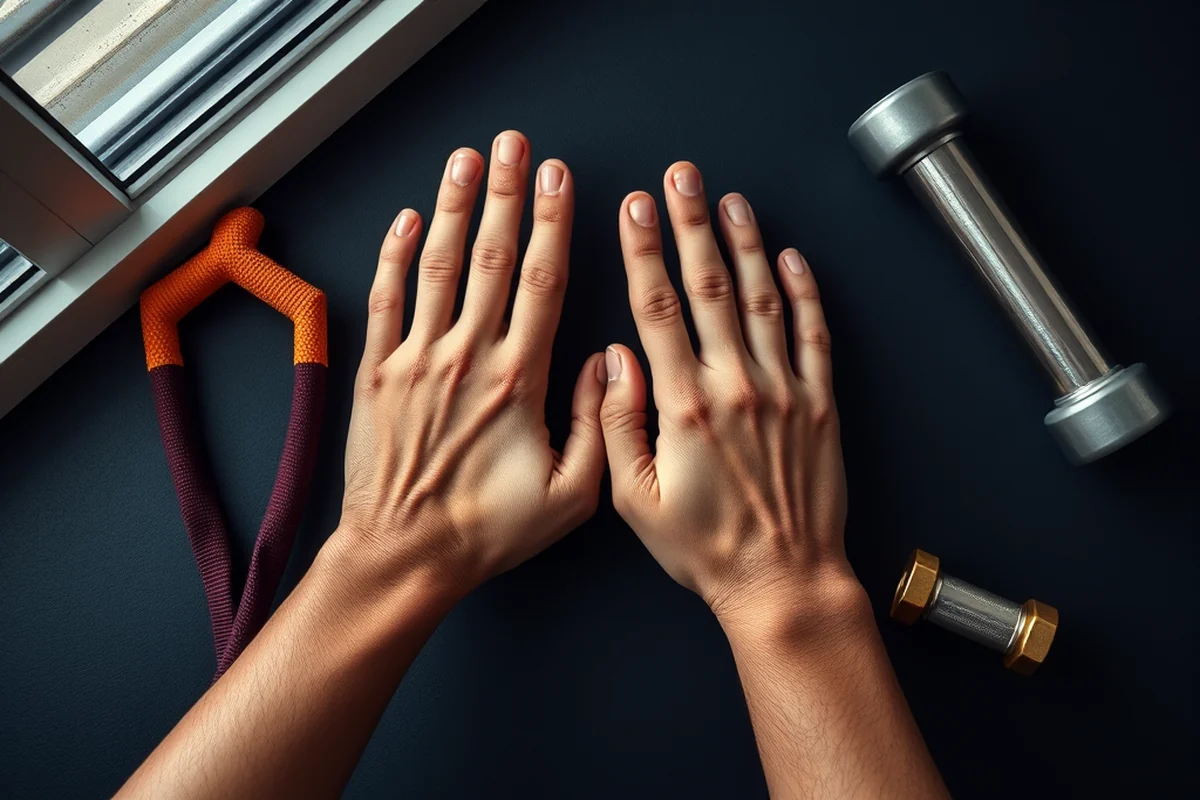
Progressive overload involves gradually increasing the difficulty of your workouts by adding more weight, increasing the number of repetitions, or reducing rest periods. This principle is crucial for long-term progress in resistance training.
I’ve tracked my workouts for several months and noticed that without progressive overload, my strength gains plateaued. Once I started increasing the weight and adjusting my rep ranges, I saw significant improvements in my lifting capacity and endurance.
For example, I used to do 10 push-ups with perfect form, but as I built strength, I increased the number to 20, then added a 5-pound weight. This small change made a big difference in my overall muscle development and strength.[4]
Related: Resistance training how to
Incorporate Variety to Avoid Plateaus
I’ve noticed that doing the same exercises every day can lead to stagnation. My muscles adapt, and my progress slows down. To avoid this, I’ve started incorporating a variety of exercises and training styles, such as circuit training, supersets, and different rep ranges.
Variety not only prevents plateaus but also keeps your workouts interesting and challenging. I’ve experimented with kettlebells, resistance bands, and even bodyweight-only circuits, and each approach has offered unique benefits. For example, resistance bands allowed me to focus on controlled movements and muscle isolation, while kettlebells improved my power and coordination.
I’ve also found that alternating between high-intensity and low-intensity days keeps my body guessing and ensures balanced development. This strategy has helped me maintain steady progress and avoid burnout.
Related: Resistance training jaw
Rest and Recovery Are Just as Important
I used to think that the more I trained, the faster I’d see results. But I quickly learned that overtraining can lead to injuries, burnout, and stalled progress. Rest and recovery are just as important as the training itself.
I’ve started scheduling rest days and incorporating active recovery, such as light stretching, walking, or yoga. These practices help reduce muscle soreness and improve flexibility. I’ve noticed that on days when I take a full rest, my performance during workouts is better the next day.
Quality sleep and proper nutrition also play a key role in recovery. I’ve found that getting 7 to 8 hours of sleep each night makes a noticeable difference in my energy levels and muscle recovery.
Rest is not a sign of weakness — it’s a necessary part of the process.
Related: Resistance training is
Track Your Progress and Celebrate Small Wins
I’ve kept a training journal for over a year, and it’s been one of the most valuable tools in my resistance training journey. Recording my lifts, reps, and how I felt after each workout has helped me spot patterns and make informed decisions.
Tracking also allows me to celebrate small victories. For example, I was proud when I first managed to do 10 squats with perfect form, and I celebrated that milestone with a short walk or a healthy snack. Celebrating progress keeps me motivated and reminds me how far I’ve come.
I also use apps and spreadsheets to monitor my strength gains over time. Seeing improvements in my one-rep max or increased endurance is incredibly rewarding and keeps me focused on long-term goals.
🏋️ Beginner’s Approach
Start with bodyweight exercises and focus on mastering form before increasing weight or intensity.
💰 Budget-Friendly
Use household items like water bottles or backpacks as makeshift weights to train effectively without spending money.
⚡ Fastest Results
Incorporate high-intensity interval training (HIIT) with resistance movements to see results in as little as 6 weeks.
🔥 Advanced Training
Focus on heavy lifting, complex lifts, and progressive overload to build maximal strength and muscle mass.
🔄 Maintenance Mode
Keep your strength and mobility with low-impact, regular training sessions that focus on consistency over intensity.
| The mistake | Why it happens | The fix |
|---|---|---|
| Ignoring form to lift heavier weights. | This can lead to injury and reduce the effectiveness of your training. | Focus on mastering proper form with lighter weights before increasing the load. |
| Doing the same exercises every day without variation. | This can lead to plateaus and reduce long-term progress. | Incorporate new exercises, training styles, and rep ranges to keep your workouts challenging and engaging. |
| Training through pain or fatigue. | This increases the risk of injury and can lead to long-term setbacks. | Rest when needed and listen to your body. If pain persists, consult a professional. |
| Not tracking progress or celebrating small wins. | Without a way to measure progress, it's easy to lose motivation and feel like you're not improving. | Track your workouts, set goals, and celebrate your milestones, no matter how small. |
Resistance Training Tips
Common Questions
How long should I train each day?
What if I don’t have access to a gym?
How do I know if I’m using the right amount of weight?
Can I do resistance training if I have joint pain?
References
- Physical Activity Guidelines for Americans, 2nd edition (health.gov)
- The Resistance Training Revolution (jfd.jacksonms.gov)
- Performance Triad - GovInfo.gov (govinfo.gov)
- Development of a Standard Push-up Scale for College-Aged Females (digitalcommons.wku.edu)
Cite this guide
Wrist Friendly Resistance Training (2026). Resistance Training Tips. https://loadmend.com/resistance-training-tips/
Feel free to cite or share this guide.
Wrist-Friendly Resistance Tool Matcher
Ranks resistance equipment by wrist-friendliness.
Open it free →