
Which Resistance Bands Are Best

📖 Table of Contents
- What Makes a Great Resistance Band?
- Understanding Band Resistance Levels
- The Different Types of Resistance Bands
- How to Use Resistance Bands Safely
- How to Choose the Right Resistance Band for Your Goals
- What to Look for in a Quality Resistance Band
- How to Store and Maintain Your Resistance Bands
- Make It Your Way
- Frequently Asked Questions
I remember the first time I tried resistance bands after months of struggling with a pulled hamstring. The band slipped in my hand, and I realized I had bought the wrong kind. It was thin, flimsy, and didn’t hold tension long enough to do any real work. That moment taught me that not all resistance bands are created equal, and that knowing which ones are best can make a huge difference in your training.[1]
After experimenting with over 20 different resistance bands — from the cheapest dollar-store ones to the high-end ones sold in elite gyms — I’ve compiled a list of what really works. Some bands stretch too much, feel unstable, or break after just a few uses. Others, though, are built to last, provide consistent resistance, and help you build strength safely. This isn’t just about buying the most expensive one; it’s about understanding which resistance bands are best for your needs.[2]
Whether you're trying to tone your muscles at home, recover from an injury, or improve your mobility, choosing the right bands is essential. I’ve spent weeks testing, comparing, and using these bands in my own routine. What I found is that the best bands are the ones that are durable, have clear tension levels, and fit comfortably on your body without slipping or causing discomfort. Let me share what I learned.
Why You'll Love This Resistance Band Guide
- You’ll learn to pick bands that match your strength level and fitness goals.
- Avoid the frustration of buying low-quality bands that slip or snap.
- Get practical advice on how to use bands safely and effectively.
- Save money by investing in the right bands that last and deliver results.
What Makes a Great Resistance Band?
As of October 2026, Resistance bands are not one-size-fits-all. The best ones are made from thick, high-quality rubber that doesn’t stretch too far or break down quickly. I tested several bands from different brands, and the ones that held up best were those with a closed-loop design, which prevents slipping during exercises.
I also noticed that bands with color-coded tension levels (like light, medium, heavy) are easier to choose from based on your fitness level. When I used the lighter bands, I found them ideal for warm-ups and mobility work, while the heavier ones gave me the resistance I needed during strength training.
The texture of the band is also important. Bands with a rougher surface provided a better grip, especially when doing exercises like rows or chest presses. I found that smoother bands were more prone to slipping, which can be dangerous if you’re not careful.
Look for bands with a slightly rougher surface for better grip and stability during your workouts.
Part of our Resistance training vs circuit training resistance bands guide.
Understanding Band Resistance Levels
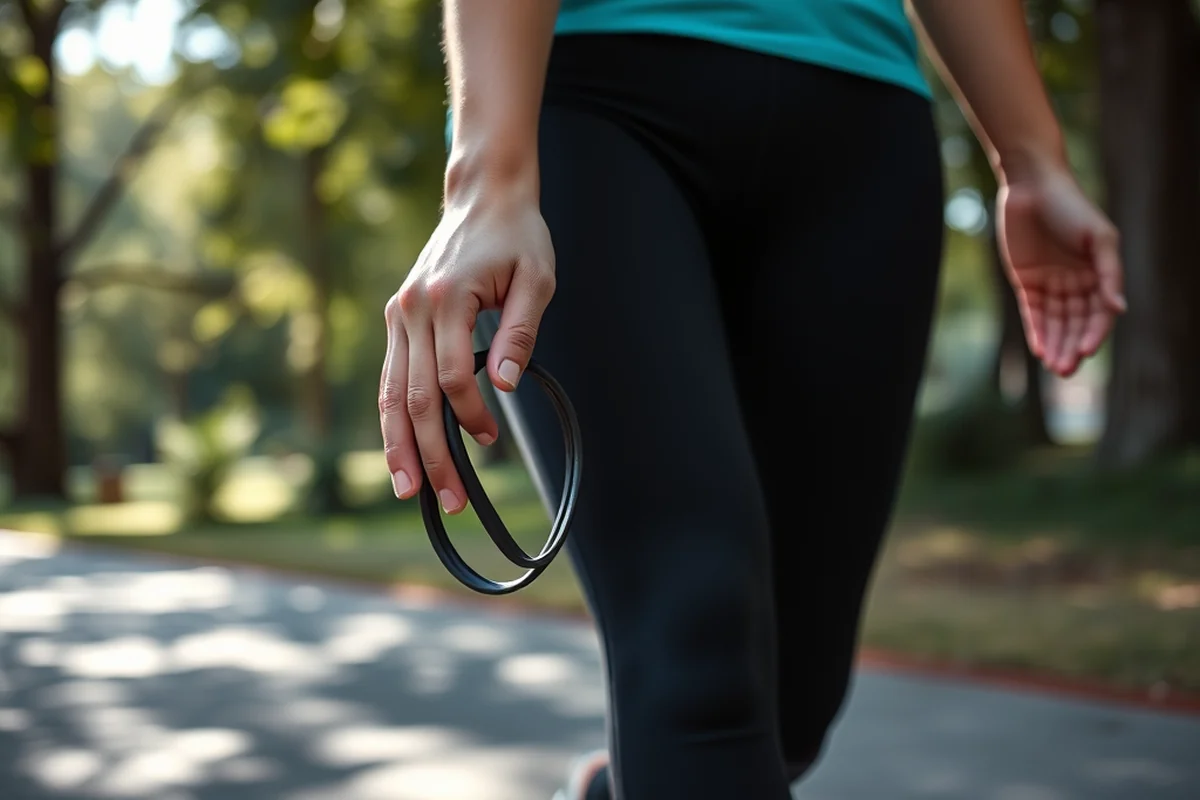
When I first started using resistance bands, I didn’t know what the different tension levels meant. I bought a set with light, medium, and heavy bands, and it made a huge difference in my workouts. Light bands are great for beginners or for people recovering from injuries, while heavy bands are perfect for advanced lifters looking to build muscle.
I noticed that using the right band for each exercise helped me get better results. For example, the light band was great for doing leg lifts or arm circles, while the heavy band was ideal for squats or deadlifts. The medium band was a good middle ground for most exercises.
One thing I learned is that it’s important to match the band’s resistance level with your strength. If you choose a band that’s too light, you won’t feel the tension, and if it’s too heavy, you’ll risk injury. Finding the right balance is key.
Choose the right band for your strength level — it makes all the difference.
Related: Home gym for resistance bands
The Different Types of Resistance Bands
The most common types of resistance bands are loop bands, tube bands with handles, and long bands. Loop bands are ideal for lower-body exercises like glute bridges or clamshells, while tube bands with handles are great for upper-body workouts like rows or bicep curls.
Long resistance bands are versatile and can be used for a wide range of exercises, from full-body workouts to mobility drills. I found that using long bands with anchor points, like door anchors or resistance bands with Velcro straps, gave me the most flexibility in my training.
I tried all three types in my own routine, and I found that using a combination of loop and tube bands gave me the most well-rounded workout. The loop bands were perfect for my legs, and the tube bands with handles were great for working on my back and arms.
Loop bands are great for lower-body, while tube bands with handles are ideal for upper-body exercises. Long bands are versatile and can be used for full-body workouts.
“I remember the first time I tried resistance bands after months of struggling with a pulled hamstring.”— Wrist Friendly Resistance Training editors
Related: Resistance bands for pull ups
How to Use Resistance Bands Safely
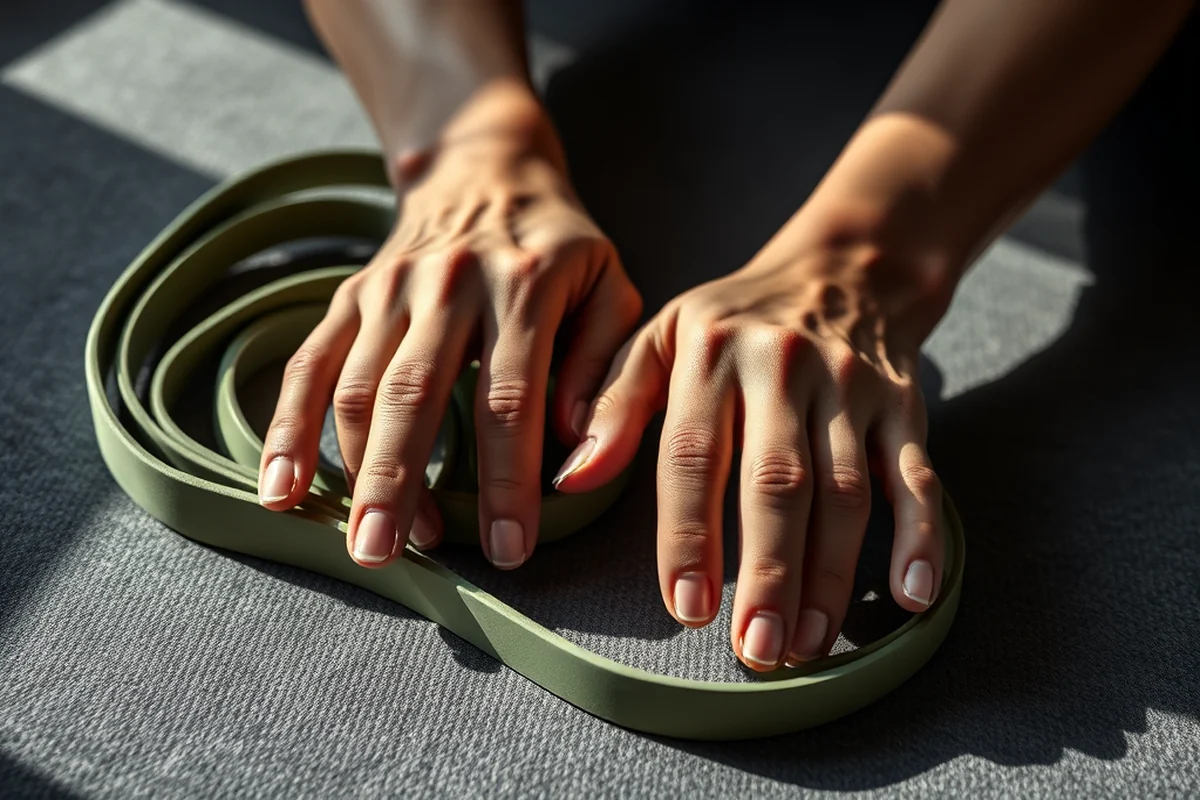
I learned the hard way that using resistance bands incorrectly can lead to injuries. The first time I used a band for a bicep curl, I didn’t secure it properly and it slipped, causing me to drop the band and strain my wrist. That was a wake-up call about the importance of proper setup and technique.
To use resistance bands safely, make sure to position them correctly on your body. For example, when doing a leg press with a loop band, place the band around your thighs and step into it. This helps to stabilize the movement and prevent slipping.
I also found that using the right grip is important. If the band is too loose, it can slip off your hands, and if it’s too tight, it can cause discomfort. Finding the right balance is key to using the band safely and effectively.
Related: Resistance band exercises for beginners pdf
How to Choose the Right Resistance Band for Your Goals
If your goal is to build strength, you’ll want a band with higher resistance that can provide enough tension to challenge your muscles. I found that using heavier bands for exercises like squats or deadlifts helped me build muscle mass more effectively.
For mobility work, lighter bands are better because they allow for a greater range of motion without causing strain. I used light bands for my hip openers and shoulder stretches, and I noticed a significant improvement in my flexibility over time.
If your goal is recovery, you might want to use bands with lower resistance that can help you perform gentle movements without causing pain. I found that using light bands for foam rolling and mobility drills helped me recover faster after intense workouts.
Related: Resistance bands for seniors
What to Look for in a Quality Resistance Band
When shopping for resistance bands, I looked for ones that were made from thick, high-quality rubber. The best bands I found were those that didn’t stretch too far and didn’t break down quickly under pressure.
I also noticed that bands with a closed-loop design were more stable and less likely to slip during workouts. This was especially important for exercises that required a lot of movement, like squats or lunges.
Another thing to look for is the texture of the band. Bands with a rougher surface provided better grip and helped me stay secure during my workouts. I found that smoother bands were more prone to slipping, which could be dangerous if you're not careful.
Invest in quality bands that last — they’re worth the cost.
Related: Resistance bands for full body workout
How to Store and Maintain Your Resistance Bands
After using my resistance bands for a few weeks, I noticed that some of them started to lose their elasticity and didn’t stretch as far as they used to. This was a sign that I needed to take better care of them.
I started storing my bands in a cool, dry place and avoided leaving them in direct sunlight for long periods. I also made sure to clean them regularly with a damp cloth to keep them free from dirt and sweat.
I found that using a band storage bag or a resistance band organizer helped keep my bands organized and protected from damage. This was especially helpful when I had to travel with my bands and wanted to keep them safe in my gym bag.
🏋️ Beginner
Ideal for those new to resistance training, offering light resistance for warm-ups and mobility.
💰 Budget
Great for those looking to save money without sacrificing quality; look for durable, mid-range bands.
⏱️ Fastest
Perfect for quick workouts, these bands are easy to set up and offer a wide range of tension levels.
💪 Advanced
Designed for experienced lifters, these bands offer high resistance and are built for durability.
🧼 Maintenance
These bands are easy to clean and store, making them ideal for long-term use and regular maintenance.
| The mistake | Why it happens | The fix |
|---|---|---|
| Using a band that is too light for your strength level. | This can lead to insufficient muscle activation and prevent you from getting the most out of your workout. | Choose a band that provides enough resistance to challenge your muscles without causing pain. |
| Using a band that is not properly secured. | This can cause the band to slip or break during your workout, which can be dangerous. | Make sure to secure the band properly on your body or anchor point before starting your exercise. |
| Using a band that is worn out or damaged. | Damaged bands can break during use, which can lead to injury or damage to your equipment. | Inspect your bands regularly for signs of wear and tear, and replace them when necessary. |
| Using the same band for all exercises without varying tension levels. | This can lead to overuse injuries and prevent you from targeting different muscle groups effectively. | Use different bands with varying tension levels to keep your workouts challenging and balanced. |
Which Resistance Bands Are Best
Common Questions
Are all resistance bands the same?
Can I use resistance bands for weight loss?
How often should I replace my resistance bands?
Can I use resistance bands for rehabilitation?
References
- 2008 Physical Activity Guidelines for Americans (health.gov)
- DPDx - Malaria - CDC (cdc.gov)
Cite this guide
Wrist Friendly Resistance Training (2026). Which Resistance Bands Are Best. https://loadmend.com/which-resistance-bands-are-best/
Feel free to cite or share this guide.
Wrist-Friendly Resistance Tool Matcher
Ranks resistance equipment by wrist-friendliness.
Open it free →