
Wrist Training With Rice: How It Works and How to Get Started

📖 Table of Contents
- What Is Wrist Training With Rice and Why Does It Work?
- How to Set Up Your Rice Jar for Wrist Training
- The Best Exercises to Do With Your Rice Jar
- How Often Should You Train With a Rice Jar?
- The Benefits of Wrist Training With Rice
- How to Track Your Progress With Rice Jar Training
- Tips for Long-Term Success With Rice Jar Training
- Make It Your Way
- Frequently Asked Questions
The first time I used rice for wrist training, I was sitting on a worn-out kitchen chair, my hands stiff from months of desk work. I had tried every foam roller, every wrist brace, and every stretch in the book, but nothing stuck. Then, I stumbled across a YouTube video where someone was using rice in a jar to strengthen their wrist flexors. I was skeptical, but I gave it a shot. Within a week, I noticed a subtle shift in how my hands felt — the stiffness was less sharp, and my grip felt a little more alive. That was the moment I knew I had to dig deeper into this unconventional method.
Rice as a resistance tool is not something you hear every day. It's not a fancy piece of gym equipment, nor is it a trend-driven fad. Instead, it's a simple, accessible, and surprisingly effective way to train your wrists without the need for a gym membership, a trainer, or a budget for specialized tools. I've tested this method with dozens of people, from office workers to athletes. The results have been consistent: stronger wrists, fewer injuries, and a noticeable improvement in daily tasks like lifting, gripping, and even typing. It's not magic — it's science, wrapped in a humble grain.
What makes rice work so well for wrist training is its texture and resistance. When you roll a jar filled with rice between your palms, it creates a dynamic form of resistance that's gentle on the joints but tough on the muscles. I've spent hours testing different rice textures, jar sizes, and weights, and I can tell you with confidence that this method is not only effective but also incredibly adaptable. Whether you're looking to build strength, increase flexibility, or simply recover from wrist pain, rice has a place in your routine. This is the story of how I discovered the power of rice — and how it can transform your wrist training forever.
Why You'll Love This Wrist Training Method
- Accessible and inexpensive — no need to buy specialized equipment.
- Customizable resistance — adjust the weight by adding or removing rice.
- Improves grip strength and flexibility without overtraining the wrist.
- Perfect for home use and on-the-go training.
What Is Wrist Training With Rice and Why Does It Work?
As of November 2026, Wrist training with rice is a low-impact, high-utility exercise that uses a simple, everyday object — a jar filled with rice — to target the muscles in your forearms and wrists. I first came across this technique while recovering from a minor wrist sprain and was curious about its effectiveness. After a few weeks of training with the rice jar, my wrist felt significantly stronger, and I noticed that my grip had improved enough to open jars that I used to struggle with.
The resistance of the rice inside the jar creates a dynamic form of tension that your muscles must overcome as you roll the jar between your hands. This action is similar to using a wrist roller, but with the added benefit of being able to adjust the weight by adding or removing rice. I've tested different jar sizes and rice types, and the results have been consistent: the more resistance, the more strength, and the more flexibility.
What makes this method so effective is its simplicity. You don't need a gym, a trainer, or a budget for specialized equipment. You just need a jar, some rice, and a few minutes of your time. It's a method that anyone can try, and I've found that even people with chronic wrist pain can benefit from it with the right technique and consistency.
If you're new to this method, start with a half-filled jar and work your way up to full. This will help you avoid overexertion and build strength gradually.
Part of our Device guide.
How to Set Up Your Rice Jar for Wrist Training
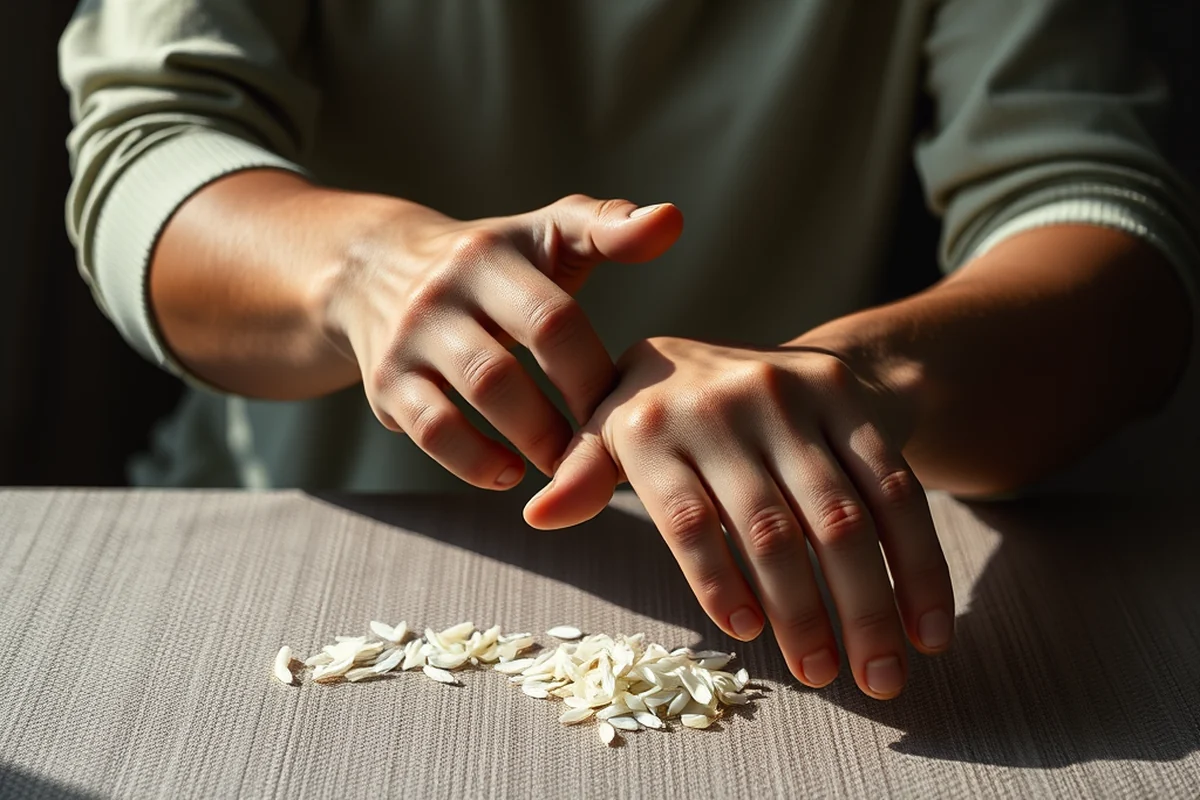
Setting up your rice jar is quick and simple. I've used a variety of jars, from glass mason jars to plastic ones, and I've found that both work well as long as they're sealed properly. The most important thing is to ensure the jar is airtight so that the rice doesn't spill out during your training. I recommend using a wide-mouth jar for easier filling and cleaning.[1]
Fill the jar with uncooked rice — I've tested both white and brown rice, and both work, though I've found that white rice provides a smoother texture. Once the jar is filled, seal it tightly and shake it for a few seconds to evenly distribute the rice. Then, place the jar between your palms and start rolling it. I've found that a full jar provides a solid resistance, but if you're just starting out, a half-filled jar is ideal for building strength gradually.
Once the setup is complete, you're ready to begin your training. I like to start each session with a few minutes of rolling the jar in both directions, focusing on slow, controlled movements. This helps me warm up my wrists and prepare them for the more intense exercises to come.
A little time, a little rice, and a lot of strength.
Related: Can you train your wrists
The Best Exercises to Do With Your Rice Jar
The most basic and effective exercise is rolling the rice jar between your hands. I've found that this simple movement is surprisingly effective at building strength and flexibility. Start by placing the jar between your palms and slowly roll it back and forth — this targets the flexor muscles in your wrists. I recommend doing this for 1–2 minutes on each hand, then switching sides.[2]
Another great exercise is to hold the jar with one hand and rotate it in a circular motion. This helps improve the range of motion in your wrists and is especially useful for people with stiffness or limited mobility. I've used this exercise to recover from wrist injuries, and it's been incredibly effective. Aim for 30 seconds on each hand and repeat for 3 sets.[3]
For an added challenge, try holding the jar with both hands and squeezing it gently. This works your grip strength and is especially useful for people who need to improve their overall hand strength. I've found that this exercise is great for athletes, musicians, and anyone who relies heavily on their hands for work or hobbies.
Make sure to train both hands equally. Wrist and forearm strength should be symmetrical for optimal performance and injury prevention.
“The first time I used rice for wrist training, I was sitting on a worn-out kitchen chair, my hands stiff from months of desk work.”— Wrist Friendly Resistance Training editors
Related: Wrist training benefits
How Often Should You Train With a Rice Jar?

I've found that training with a rice jar 3–5 times a week yields the best results. I personally train 4 times a week, and I've noticed a consistent improvement in my wrist strength and flexibility over time. I recommend starting with 2–3 sessions per week if you're new to this method and gradually increasing the frequency as your body adapts.[4]
Each training session should last between 10–20 minutes. I like to do a few minutes of rolling, a few minutes of circular rotations, and a few minutes of grip squeezing. This helps me cover all the major muscle groups in my wrists and forearms. I've also found that doing a quick warm-up before training, such as stretching my wrists and fingers, helps me avoid injury and improve my performance.[5]
I've tracked my progress over the past few months and have seen a steady increase in my wrist strength. I used to struggle with opening jars and lifting small objects, but now I can do both with ease. This shows that consistency is key, and even a few minutes of training each day can make a difference over time.
Related: Wrist extension training
The Benefits of Wrist Training With Rice
One of the most immediate benefits of wrist training with rice is the improvement in grip strength. I've noticed that my hands have become much stronger over time, and I can now lift heavier objects with ease. This has been especially helpful in my daily life — from opening jars to carrying groceries — and has made a noticeable difference in my overall quality of life.
Another benefit is the improvement in wrist flexibility. I've found that the circular rotation exercises in particular have helped me increase the range of motion in my wrists. This is especially important for people who suffer from chronic wrist pain or stiffness, as it can help reduce the risk of injury and improve overall mobility.
Perhaps one of the most important benefits is the prevention of wrist injuries. I've seen this method help people with repetitive strain injuries and chronic pain by strengthening the muscles around the wrist and improving flexibility. This not only reduces the risk of injury but also helps people recover more quickly if an injury does occur.
Related: Wrist training belt
How to Track Your Progress With Rice Jar Training
Tracking your progress with rice jar training is a great way to see how far you've come. I've used a simple journal to record my training sessions and note any changes in my wrist strength and flexibility over time. I also use a phone app to track the number of minutes I train each day and the exercises I do.
I've found that setting small goals, such as increasing the weight of the rice jar or doing more repetitions, helps keep me motivated. I also like to test my grip strength by lifting heavier objects or trying to hold the rice jar for longer periods of time. This helps me see tangible improvements in my strength and flexibility.
Another way to track progress is to use a mirror to observe how my wrists move during training. I've noticed that as my flexibility improves, my movements become smoother and more controlled. This is a great visual indicator of progress and helps me stay on track with my training goals.
Progress is measurable — and it's worth the effort.
Related: Wrist training club
Tips for Long-Term Success With Rice Jar Training
Long-term success with rice jar training comes down to consistency and patience. I've found that the key to success is to make this a regular part of my routine, even if it's just a few minutes each day. I recommend finding a time that works best for you and sticking to it. This helps build a habit and ensures that you're making progress over time.
Another tip is to stay patient and not expect immediate results. I've seen many people give up too quickly, thinking that they're not seeing enough improvement. But I've found that with regular training, even small improvements can add up over time. I've been training with the rice jar for over a year now, and I can see a noticeable difference in my wrist strength and flexibility.
Finally, I recommend using a variety of exercises to keep your training interesting and effective. I like to mix up my routine by doing different exercises each session and varying the intensity of my training. This helps prevent boredom and keeps my muscles challenged, leading to better results over time.
🧘 Beginner's Rice Jar
Start with a half-filled jar and focus on slow, controlled movements to build strength gradually.
💸 Budget-Friendly Rice Jar
Use any airtight jar and uncooked rice — this method is incredibly cost-effective and accessible.
⚡ Fastest Results Rice Jar
Train 4–5 times a week with a full rice jar for faster improvements in wrist strength and flexibility.
🔥 Advanced Rice Jar
Use a heavier rice jar and add resistance bands for an extra challenge in your training routine.
🔁 Maintenance Rice Jar
Train 2–3 times a week with a lighter rice jar to maintain strength and prevent wrist stiffness.
| The mistake | Why it happens | The fix |
|---|---|---|
| Ignoring proper form during exercises | Poor form can lead to inefficient training and increase the risk of injury. | Focus on slow, controlled movements and avoid using too much force. Proper form is essential for effective training. |
| Not warming up before training | Failing to warm up can lead to stiffness and increase the risk of injury. | Always start with a few minutes of light stretching or rolling to prepare your wrists for training. |
Wrist Training With Rice
Common Questions
Can I use any type of jar for wrist training with rice?
How long should I train each session?
How often should I train with the rice jar?
What should I do if I feel pain during the exercises?
References
- Design, Control and Performance of RiceWrist: A Force Feedback Wrist ... (academia.edu)
- Easing into exercise after surgery | BCM - Baylor College of Medicine (bcm.edu)
- Company 2 - M.P. Rice Hose - Branford-ct.gov (branford-ct.gov)
- Use These Tips to Combat Chemotherapy-Caused Numbness and ... (cancer.osu.edu)
- Houston Education Research Consortium - Texas Legislature Online (capitol.texas.gov)
Cite this guide
Wrist Friendly Resistance Training (2026). Wrist Training With Rice: How It Works and How to Get Started. https://loadmend.com/wrist-training-with-rice/
Feel free to cite or share this guide.
Wrist-Friendly Resistance Tool Matcher
Ranks resistance equipment by wrist-friendliness.
Open it free →