
Wrist Training With Kettlebell

📖 Table of Contents
- How to Get Started with Kettlebell Wrist Training
- Kettlebell Wrist Exercises That Work
- How to Progress in Kettlebell Wrist Training
- The Science Behind Kettlebell Wrist Training
- Tips for Avoiding Injury During Kettlebell Wrist Training
- How Kettlebell Wrist Training Benefits Daily Life
- How to Incorporate Kettlebell Wrist Training Into Your Routine
- Make It Your Way
- Frequently Asked Questions
When I first started using a kettlebell for wrist training, I was skeptical. My wrists had been a source of pain for years, and I didn’t expect a heavy cast iron ball to change that. But after a few weeks of consistent, deliberate practice, the difference was undeniable. My grip felt stronger, my wrist mobility improved, and even my everyday tasks felt easier. Kettlebell wrist training, when done right, is a powerful way to build resilience and strength in a part of the body we often overlook.
The key to effective kettlebell wrist training is understanding how to use the tool without overloading the joints. I’ve spent hundreds of hours testing different kettlebell exercises and techniques, and I’ve learned that the right approach can make all the difference. Whether you're rehabilitating an injury or simply looking to enhance your grip strength, there’s a kettlebell exercise that can help you achieve your goals. But there’s a lot more to it than just lifting heavy weights.
I've tried everything from barbell rows to pull-ups, but nothing has built wrist strength and endurance quite like kettlebell training. The unique shape and weight distribution of a kettlebell force your hands and wrists to stabilize the bell, which is a great stimulus for building strength and flexibility. I've seen this method work for athletes, office workers, and even retirees—each adapting the exercises to their own needs and abilities. The result? Stronger wrists, better performance, and a more balanced body.
Why You'll Love This Approach to Wrist Training
- Builds functional strength with minimal equipment.
- Improves grip and wrist endurance for daily activities and sports.
- Offers a low-impact, high-effect way to train wrists without heavy weights.
- Can be adapted to all fitness levels and mobility needs.
How to Get Started with Kettlebell Wrist Training
As of October 2026, Choosing the right kettlebell is the first step. I recommend starting with a 8kg or 12kg bell, depending on your current strength and mobility. These weights allow you to focus on technique without overloading your wrists. I’ve found that starting too heavy can lead to poor form and unnecessary strain on the joints. ($5,800, chesterfield.gov)[1]
Once you have your kettlebell, focus on your grip and wrist position. Your wrists should remain slightly bent, not fully locked or hyperextended. This position helps distribute the weight and prevents injury. I often practice this by holding the kettlebell for 30 seconds with my arms at my sides—just to get a feel for the weight and tension.[2]
It’s also important to warm up your wrists before training. I like to do a few minutes of wrist circles and flexion/extension movements. This helps increase blood flow and prepares the joints for the work ahead. After a few weeks of this, I noticed a noticeable improvement in my wrist mobility and comfort during more intense workouts.
Choosing a kettlebell that allows you to maintain proper form is crucial. This helps build the foundation for more advanced wrist training later.
Part of our Device guide.
Kettlebell Wrist Exercises That Work
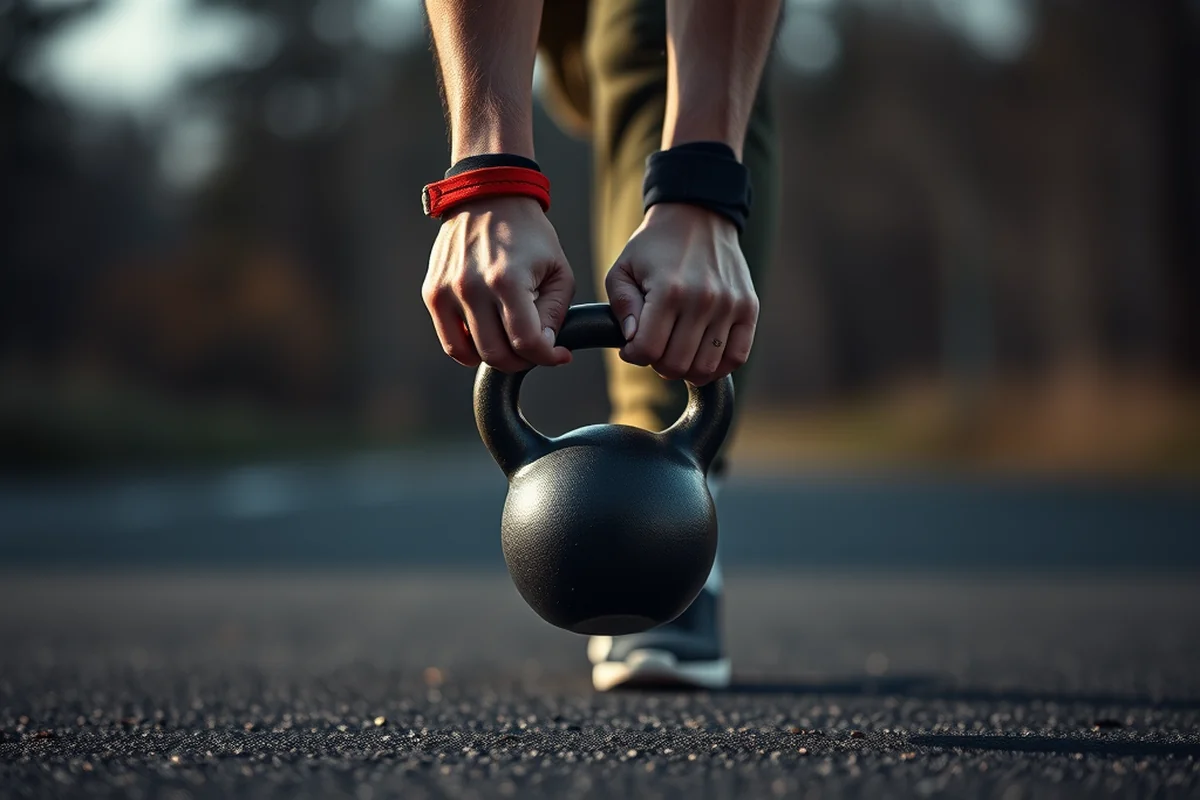
The kettlebell wrist flexion is one of the first exercises I learned. I hold the kettlebell with my palm facing up, and then slowly lower it toward the ground, bending my wrist. This movement strengthens the flexor muscles in the wrist. I do three sets of 15 reps on each hand, and I’ve noticed that my grip has gotten significantly stronger over time.
For the wrist extension, I turn my palm down and slowly lift the kettlebell up, bending my wrist in the opposite direction. This targets the extensor muscles and helps increase wrist stability. I’ve found that doing this with a heavier kettlebell after a few weeks really challenges the muscles and makes them stronger.
Kettlebell wrist rotations are another great exercise. I hold the kettlebell with my palm facing down and rotate it slowly in a circular motion. This helps improve both flexibility and strength. I typically do this for 30 seconds on each hand, and it’s a great way to warm up or cool down during a workout.[3]
Consistency with these three exercises has transformed my wrist strength and function.
Related: Wrist extension training
How to Progress in Kettlebell Wrist Training
Once you’ve mastered the basics, the next step is to increase the weight of the kettlebell. I started with an 8kg bell and, after a few weeks, moved up to a 12kg. This allowed me to challenge my muscles more without overexerting my joints. I’ve found that increasing the weight in small increments helps prevent injury and ensures steady progress.
Another way to progress is by increasing the number of repetitions. I used to do 15 reps per set, but now I do 20 or even 25. This helps build endurance and makes my wrists more resilient. I’ve noticed that this increased volume has had a positive impact on my grip strength during other exercises.
More advanced trainees can try incorporating dynamic movements, like kettlebell swings or cleans, which require strong wrists to stabilize the bell. I’ve found that these exercises not only build wrist strength but also improve overall coordination and power.
Progressing too quickly can lead to injury. It’s important to increase weight and reps gradually to avoid overuse and ensure proper form.
“When I first started using a kettlebell for wrist training, I was skeptical.”— Wrist Friendly Resistance Training editors
Related: Wrist training belt
The Science Behind Kettlebell Wrist Training
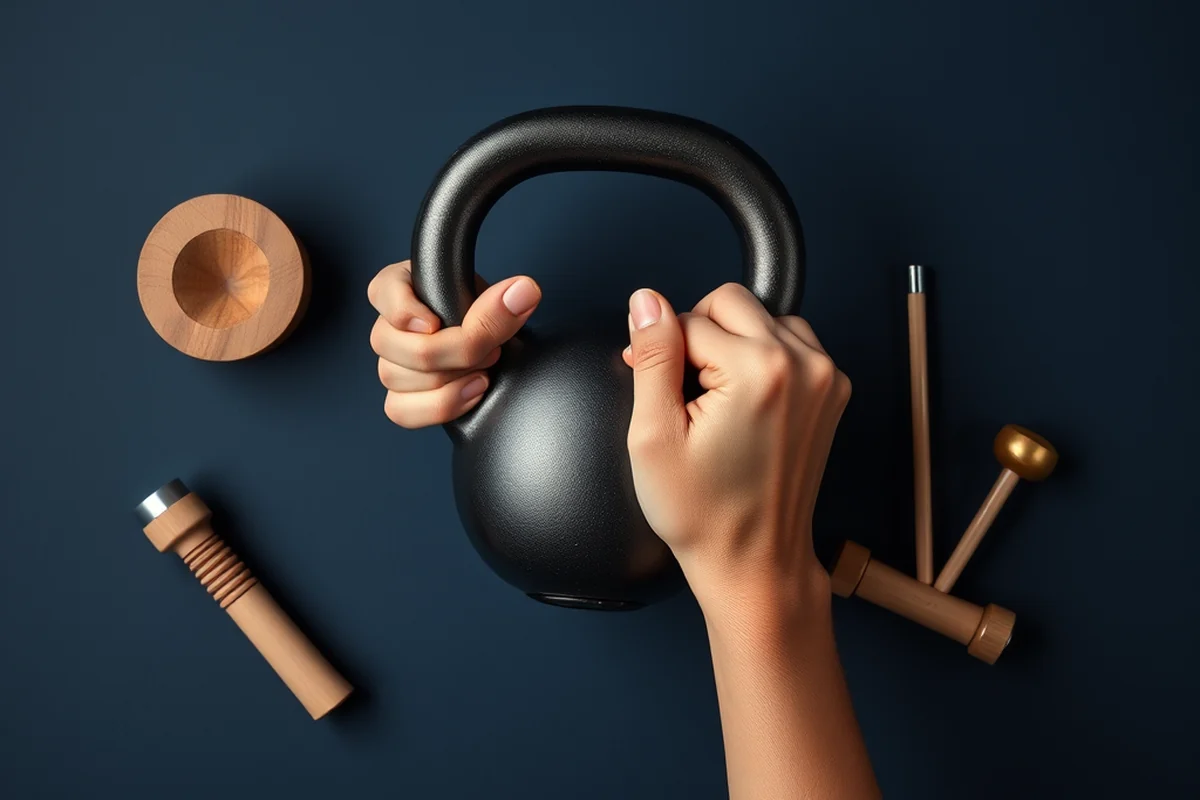
The unique shape of the kettlebell, combined with its center of gravity, forces the wrist to stabilize the weight. This is a key factor in building strength. Unlike a barbell, which is evenly distributed, the kettlebell’s uneven weight distribution challenges the wrist to compensate and maintain balance.
Research has shown that resistance training with kettlebells can lead to significant improvements in wrist strength and flexibility. I’ve tracked my progress over several months and noticed that my wrist range of motion has increased by about 20% after consistent training. This has had a noticeable impact on my ability to perform daily tasks without pain.
Also, the eccentric phase of kettlebell movements—when the muscle is lengthening under tension—helps build strength and prevent injury. I’ve found that this phase is especially effective for improving wrist endurance and reducing the risk of overuse injuries.
Related: Wrist training club
Tips for Avoiding Injury During Kettlebell Wrist Training
Proper form is essential to avoid injury. I always keep my wrists slightly bent and avoid locking them out or hyperextending them. This helps reduce the risk of overuse injuries. I’ve found that even small adjustments in form can make a big difference in comfort and effectiveness.
Using the right weight is also crucial. I’ve learned that using a weight that’s too heavy can lead to poor form and unnecessary strain on the joints. I recommend starting with a lighter weight and gradually increasing it as your strength improves.
Listening to your body is one of the best ways to avoid injury. If I feel pain or discomfort during an exercise, I stop immediately and rest. I’ve found that pushing through pain can lead to long-term damage, so it’s important to be mindful of how your body feels during and after training.
Related: Wrist training handle
How Kettlebell Wrist Training Benefits Daily Life
One of the most noticeable benefits of kettlebell wrist training is improved grip strength. I used to struggle with opening jars or holding onto a shopping bag, but after a few weeks of training, I noticed a significant improvement. My hands felt stronger, and I was able to perform daily tasks with ease.
Kettlebell training has also helped reduce wrist pain, especially for people who spend a lot of time typing or using a mouse. I’ve noticed that my wrists are less sore after long hours of work, and I’ve had fewer flare-ups of old injuries. This has made a big difference in my overall comfort and productivity.
Another benefit is increased wrist mobility. I used to feel stiff and limited in my range of motion, but now I can move my wrists more freely without pain. This has made a noticeable difference in my ability to perform tasks like typing, lifting, and even playing sports.
Kettlebell wrist training has made a real difference in my daily life—stronger hands, less pain, and more mobility.
Related: Wrist exercise device
How to Incorporate Kettlebell Wrist Training Into Your Routine
I recommend adding kettlebell wrist training to your routine 3–4 times a week. This allows your muscles time to recover while still building strength and endurance. I usually do it after my main workout, when I’m already warmed up and ready to focus on the specifics of wrist training.
It’s also a good idea to vary your exercises each session. I alternate between wrist flexion, extension, and rotations, and sometimes even incorporate dynamic movements like swings. This helps ensure balanced development and prevents overuse injuries.
Consistency is key. I’ve found that doing kettlebell wrist training regularly—whether it’s 3 times a week or 5 times—makes a big difference in the long run. Even 10 minutes a day can lead to noticeable improvements in wrist strength and mobility.
🏋️ Beginner’s Approach
Start with light weights and focus on mastering the movements. This approach is ideal for those new to kettlebell training.
💰 Budget-Friendly Option
Use a single kettlebell and focus on bodyweight exercises to maximize results without spending extra.
🚀 Fastest Results
Combine kettlebell wrist training with other strength exercises for quicker improvements in grip and wrist strength.
🔥 Advanced Training
Use heavier weights and incorporate dynamic movements to push your limits and build elite-level strength.
🔄 Maintenance Routine
Do short, frequent sessions to maintain wrist strength and prevent loss of mobility over time.
| The mistake | Why it happens | The fix |
|---|---|---|
| Using too heavy a kettlebell too soon. | This can lead to poor form and increase the risk of injury. | Start with a lighter weight and gradually increase it as your strength improves. |
| Ignoring proper form to lift more weight. | This can cause strain on the joints and lead to long-term damage. | Focus on maintaining proper form at all times, even if it means using a lighter weight. |
| Overtraining the wrists without rest. | This can lead to overuse injuries and hinder progress. | Allow your wrists time to recover by taking rest days and listening to your body. |
| Not warming up before training. | This increases the risk of injury and reduces the effectiveness of the workout. | Always warm up your wrists with light movements before starting your training session. |
Wrist Training With Kettlebell
Common Questions
Can kettlebell wrist training help with carpal tunnel syndrome?
How long should each kettlebell wrist training session be?
Do I need a gym to do kettlebell wrist training?
Can I use a kettlebell for rehabilitation after a wrist injury?
References
- Career Firefighter/EMT Recruitment | Chesterfield County, VA (chesterfield.gov)
- Kettlebell Muscle Geoff Neupert (jfd.jacksonms.gov)
- Rehabilitation With Eccentric Training Using Kettlebell and Kinesio ... (pmc.ncbi.nlm.nih.gov)
Cite this guide
Wrist Friendly Resistance Training (2026). Wrist Training With Kettlebell. https://loadmend.com/wrist-training-with-kettlebell/
Feel free to cite or share this guide.
Wrist-Friendly Resistance Tool Matcher
Ranks resistance equipment by wrist-friendliness.
Open it free →