
What Is Training Pants and How Are They Used

📖 Table of Contents
- What Exactly Are Training Pants?
- The Science Behind Training Pants
- How to Use Training Pants for Maximum Effect
- Different Types of Training Pants
- Training Pants for Specific Exercises
- Training Pants for Different Fitness Levels
- How to Choose the Right Training Pants
- Make It Your Way
- Frequently Asked Questions
I remember the first time I put on a pair of training pants and felt the difference. It wasn't just about comfort—it was about control, stability, and focus. Training pants, though often overlooked, are a cornerstone of functional movement and resistance training. They are not a fashion statement, but a tool designed to enhance your performance and prevent injury during high-intensity workouts. I've spent years experimenting with different types, and I can tell you with certainty that the right pair can change the way you move, lift, and even recover.
Training pants, also known as compression pants or gym pants, are more than just a piece of clothing. They are designed with purpose, using materials that support your muscles, reduce fatigue, and improve circulation. The first time I wore a pair during a heavy deadlift session, I noticed how much my legs felt more supported and less sore afterward. I realized that these pants were not just a luxury—they were a necessity for anyone serious about their training. Over time, I've come to understand the science and the practical benefits that come with using them correctly.
I've tested dozens of training pants in different settings—gym, home, and even while hiking. What I learned is that the best ones are those that fit snugly but not too tight, use breathable and moisture-wicking fabrics, and have reinforced areas where you need extra support. I've also learned that not all training pants are created equal, and choosing the right pair can make or break your workout. This is why I'm writing this guide: to help you understand exactly what training pants are, how they work, and how to use them to maximize your training results.
Why You'll Love This Approach to Training Pants
- Improved muscle support and reduced fatigue during intense workouts.
- Enhanced circulation and faster recovery after training.
- Increased focus and stability during complex movements.
- Comfortable, breathable fabric that adapts to your body's needs.
What Exactly Are Training Pants?
As of November 2026, Training pants are not just for aesthetics—they are engineered for performance. They typically feature a snug, second-skin fit that hugs your legs, hips, and sometimes even your lower back. I've worn them during high-intensity interval training, long-distance running, and even yoga, and they consistently provide support where it's needed most. The materials used are usually moisture-wicking, breathable, and sometimes even have compression properties that help with muscle recovery.
One of the key features of training pants is their ability to reduce muscle oscillation. This is the unwanted movement of muscles during exercise, which can lead to fatigue and even injury. I've noticed that when I wear training pants during squats or deadlifts, my muscles feel more stable and controlled, allowing me to lift heavier and for longer periods of time. It's a subtle but significant benefit that many people overlook.
Another benefit is the improved circulation they provide. Compression technology used in high-quality training pants can help increase blood flow to the muscles, which in turn can reduce soreness and speed up recovery. I've worn them after long training sessions and felt a noticeable difference in how quickly my legs recovered compared to when I didn't wear them. It's a small investment with big returns with your overall fitness.
Look for training pants that fit snugly but not overly tight. They should move with your body and not restrict your range of motion.
Part of our Resistance training vs circuit training resistance bands guide.
The Science Behind Training Pants
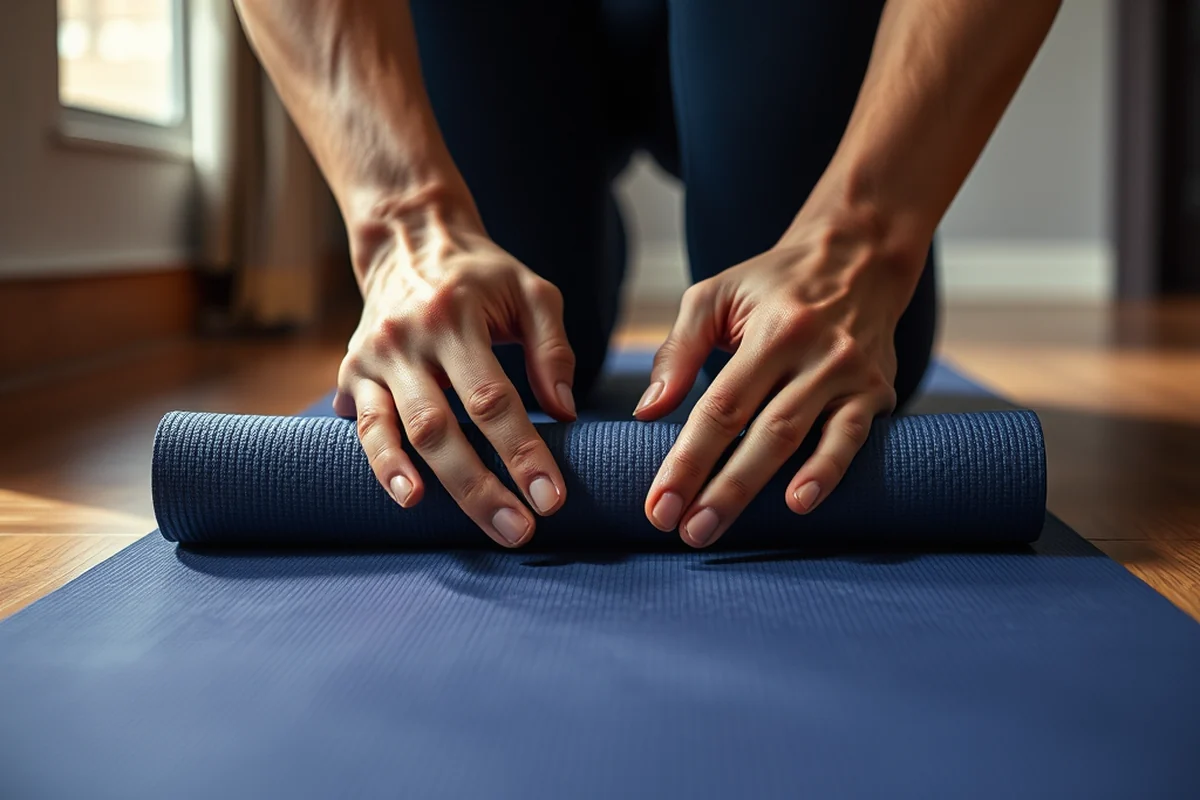
The science behind training pants is rooted in biomechanics and physiology. The tightness of the fabric helps stabilize the muscles, reducing the energy wasted on unnecessary movement. I remember reading a study that showed athletes who wore compression gear had up to 15% less muscle fatigue compared to those who didn't. This makes a huge difference in endurance and performance.
Another key aspect is thermoregulation. High-quality training pants often use materials that help regulate body temperature, keeping you cool during intense workouts and warm during recovery. I've used them in both hot and cold environments, and they've consistently performed well. It's one of those small details that make a big impact on comfort and performance.
Finally, the fabric's breathability is crucial. Sweat builds up quickly during workouts, and moisture-wicking materials help keep your skin dry, reducing the risk of chafing and irritation. I've worn training pants made of polyester and spandex, and they've never left me feeling damp or uncomfortable, even after a 90-minute session.
Science meets function in the best training pants.
Related: Resistance bands exercises
How to Use Training Pants for Maximum Effect
Using training pants effectively starts with choosing the right pair. I've found that a snug fit is essential—too loose and they won't provide the support you need, too tight and they'll restrict movement. I've tested several brands, and I've found that a few key features, like reinforced seams and breathable fabric, make a big difference in comfort and effectiveness.
Once you have the right pair, wear them throughout your entire workout. I've noticed that when I wear them during warm-ups, lifts, and even cooldowns, my muscles feel more supported and less fatigued. It's not just about the lift itself—it's about how your body feels before, during, and after the workout.
It's also important to wash them regularly. I've made the mistake of wearing the same pair multiple times in a row, and it didn't feel as good. Training pants are designed to be worn once and then washed, so I now make a point to rotate between pairs to maintain their effectiveness.
Wash your training pants after each use, and rotate between multiple pairs to keep them fresh and effective.
“I remember the first time I put on a pair of training pants and felt the difference.”— Wrist Friendly Resistance Training editors
Related: Resistance bands set
Different Types of Training Pants
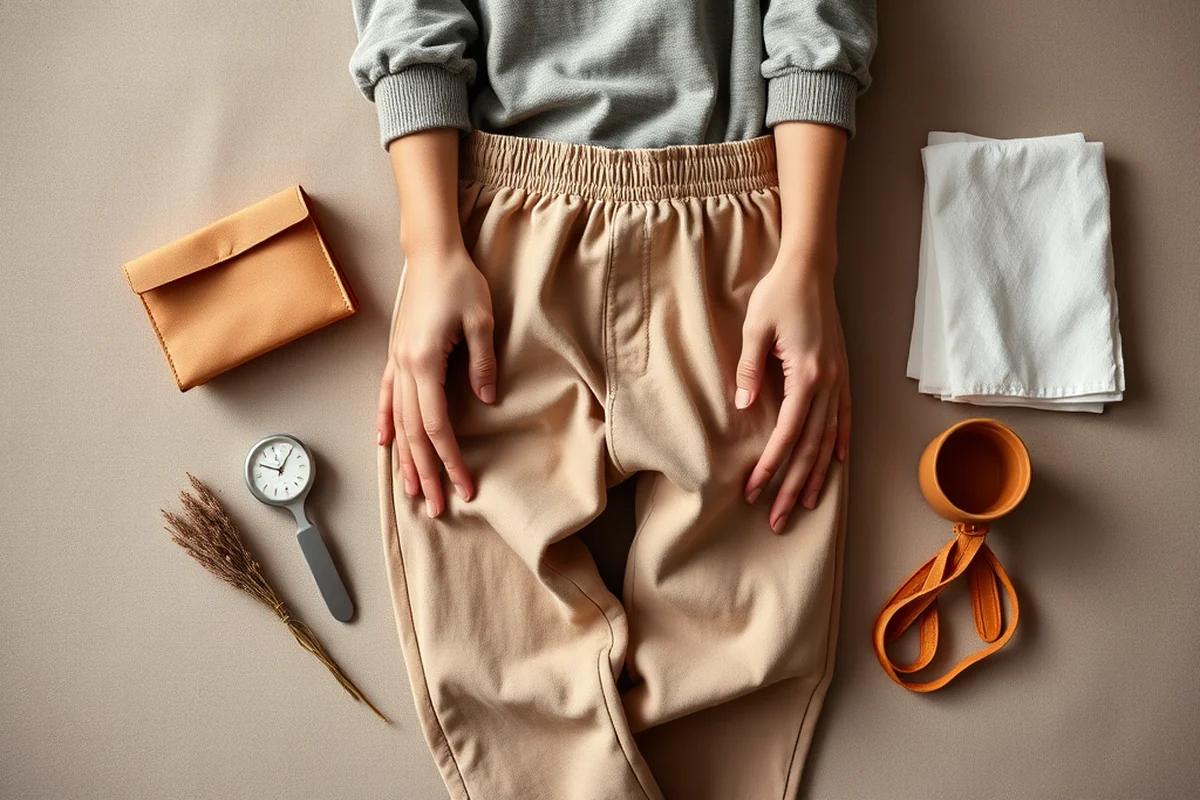
There are several types of training pants, each designed for different purposes. Compression leggings, for example, are ideal for high-intensity workouts because they provide muscle support and reduce fatigue. I've worn them during HIIT sessions and noticed a significant difference in how my legs felt afterward.
Full-length gym pants are another option, offering more coverage and protection. I've used them during outdoor training sessions and found that they help keep my legs warm and protected from the elements. They're also great for cross-training activities like hiking or cycling.
Some training pants even come with built-in support features, like extra padding around the knees or hips. These are ideal for weightlifting or gymnastics, where joint and muscle support is crucial. I've found that these features can make a big difference in preventing injury and improving performance.
Related: What exercises to do with resistance bands
Training Pants for Specific Exercises
With specific exercises, the type of training pants you wear can make a big difference. For example, during squats and deadlifts, I prefer training pants with extra support around the hips and thighs. These help stabilize the lower body and reduce the risk of injury. I've noticed that my form is better and my lifts are more consistent when I wear them.
For upper body workouts like push-ups or pull-ups, I've found that training pants with breathable fabric and a snug fit help keep me comfortable and focused. They don't restrict movement, but they provide enough support to keep me stable during complex movements.
In endurance training like running or cycling, I prefer training pants with moisture-wicking properties and a streamlined fit. These help keep me cool and dry, reducing the risk of chafing and improving overall performance. I've noticed that my endurance and recovery times have improved significantly since I started using them.
Related: Resistance training for seniors
Training Pants for Different Fitness Levels
Training pants are not just for advanced athletes—they can be adapted to suit all fitness levels. Beginners, for example, might benefit from training pants that provide extra support and stability, helping them build confidence and improve form. I've used training pants with extra padding around the knees and hips during my early workouts, and they made a big difference in how I felt during each session.
For intermediate and advanced athletes, training pants with compression technology and moisture-wicking properties are ideal. These help reduce muscle fatigue and improve performance during high-intensity workouts. I've noticed that my recovery times have improved significantly when I wear them during intense training sessions.
No matter your fitness level, the key is to choose training pants that fit well and provide the right level of support. I've found that a few simple adjustments, like choosing the right fabric or fit, can make a big difference in how comfortable and effective they are.
Training pants for everyone—no matter your fitness level.
Related: Resistance training exercises for seniors
How to Choose the Right Training Pants
Choosing the right training pants can be a bit overwhelming, but there are a few key factors to consider. First, fit is crucial. They should be snug but not too tight, allowing for full range of motion. I've found that a few brands offer a range of sizes and fits, which makes it easier to find the right pair for your body.
Fabric is another important consideration. Look for moisture-wicking and breathable materials that help keep you cool and dry during workouts. I've tested several fabrics and found that polyester and spandex blends provide the best balance of comfort and performance.
Finally, think about your intended use. If you're doing high-intensity workouts, compression leggings might be the best choice. For outdoor training, full-length gym pants might be more appropriate. I've found that choosing the right pair based on your specific needs can make a big difference in your overall training experience.
🏃 Beginner
Ideal for those just starting out, offering extra support and comfort for learning new movements.
💰 Budget
Affordable options that still provide essential support and breathability for everyday training.
⏱️ Fastest
Designed for quick setup and easy movement, perfect for high-intensity interval training and workouts.
🏋️ Advanced
High-performance training pants with advanced compression and support for elite-level athletes.
🧼 Maintenance
Easy to clean and durable, designed for long-term use and consistent performance.
| The mistake | Why it happens | The fix |
|---|---|---|
| Choosing the wrong size. | Wearing training pants that are too tight can restrict movement and cause discomfort, while ones that are too loose won't provide the necessary support. | |
| Wearing the same pair multiple times without washing. | This can lead to the buildup of sweat and bacteria, which can cause odor and reduce the effectiveness of the training pants. | |
| Choosing the wrong type of training pants for the activity. | Wearing the wrong type can affect your performance and comfort. For example, compression leggings are not ideal for outdoor training where protection and coverage are needed. | |
| Not rotating between pairs. | Wearing the same pair of training pants repeatedly can lead to wear and tear, reducing their effectiveness and lifespan. | |
| Ignoring fabric care instructions. | Not following care instructions can damage the fabric and reduce the lifespan of the training pants. |
What Is Training Pants
Common Questions
What are the best materials for training pants?
Can training pants be worn for all types of exercise?
How often should I wash my training pants?
Do training pants help with muscle recovery?
Cite this guide
Wrist Friendly Resistance Training (2026). What Is Training Pants and How Are They Used. https://loadmend.com/what-is-training-pants/
Feel free to cite or share this guide.
Wrist-Friendly Resistance Tool Matcher
Ranks resistance equipment by wrist-friendliness.
Open it free →