
Wrist Training For Arm Wrestling

📖 Table of Contents
- Why Wrist Training Matters for Arm Wrestlers
- Essential Exercises for Wrist Strength
- How to Incorporate Wrist Training Into Your Routine
- The Impact of Wrist Training on Arm Wrestling Performance
- The Role of Flexibility in Wrist Training
- The Science Behind Wrist Strength and Arm Wrestling
- Tracking Progress in Wrist Training
- Make It Your Way
- Frequently Asked Questions
I remember the first time I tried arm wrestling at a local gym. My opponent was a guy who looked like he’d come straight out of a comic book — built like a tank, with forearms as thick as tree trunks. I wasn’t even close to matching his strength. But what struck me most wasn’t his size or his power — it was how his wrists moved. They weren’t just flexing; they were coiling, twisting, and locking into place with precision. That moment sparked my curiosity about wrist training for arm wrestling, and it turned out to be one of the most overlooked yet powerful aspects of the sport.
Wrist training for arm wrestling isn’t something you see in most gym brochures. It doesn’t have the flashy appeal of bicep curls or the dramatic flair of a deadlift. But if you’ve ever watched an arm wrestling match and wondered why some competitors can dominate with barely a flick of the wrist, you’re not alone. The truth is, wrist strength is the unsung hero of arm wrestling. It’s what gives you the edge when the match is on the line, when every ounce of use counts.
In the months that followed, I dedicated myself to learning everything I could about wrist training for arm wrestling. I tried everything from weighted wrist curls to resistance bands, and I even watched videos of elite competitors to see how they moved their hands. What I discovered was that the right wrist training routine could make a world of difference — not just in strength, but in control and endurance. And now, I want to share what I’ve learned with you.
Why You'll Love This Wrist Training Routine
- It builds the kind of wrist strength that translates directly to arm wrestling power.
- It improves grip and control, giving you an edge in any match.
- It’s low-cost and can be done with minimal equipment.
- It helps prevent injuries by reinforcing the joints and ligaments in the wrist.
Why Wrist Training Matters for Arm Wrestlers
As of November 2026, when I first started training my wrists, I didn’t understand how much of an impact it would have on my arm wrestling. The difference between a weak and a strong wrist is like the difference between a rope that snaps under pressure and one that holds firm. In arm wrestling, the wrist acts as the fulcrum — the point around which all the force is directed. If your wrist is weak, you’re essentially trying to move a door with a broken hinge.
I began noticing that when I trained my wrists, I could hold my opponent’s hand longer, I had more control in the middle of a match. I could actually twist my opponent’s wrist without losing my own grip. That control isn’t just about strength; it’s about precision and endurance. The more I trained, the more I could feel that my hands were becoming stronger and more resilient.
One of the first exercises I tried was the wrist curl with a dumbbell. I started with 10 reps, twice a day. After two weeks, I noticed that my grip was tighter and that I could maintain pressure longer during practice matches. That’s when I realized how much wrist training for arm wrestling could transform not just my performance, but my entire approach to the sport.[1]
You can train your wrists effectively without heavy weights. Start with 1–2 lbs and focus on the movement, not the load. This builds foundational strength and prevents injury.
Part of our Device guide.
Essential Exercises for Wrist Strength

There are a few key exercises that I found to be most effective for building wrist strength. Weighted wrist curls are the first that come to mind. They target the flexors, which are the muscles that help you pull your hand inward — crucial for maintaining control in a match. I use a 5-lb dumbbell and do 10–15 reps per set, three sets a day.[2]
Resistance bands are another great tool. I loop them around a door and use them to perform wrist extensions and flexions. They give constant tension, which helps build endurance. I also found that using a resistance band while doing finger extensions really helped improve my grip strength over time.
One of the most effective exercises for me was the towel twist. I take a thick towel, hold it with both hands, and twist it as hard as I can. This exercise helps with both flexibility and strength. I do this for 30 seconds, rest for 15, and repeat for three sets. It’s simple, but it works.[3]
Your wrists are the unsung heroes of arm wrestling.
Related: Small wrist training
How to Incorporate Wrist Training Into Your Routine
I now make wrist training a part of my daily routine. I spend about 10–15 minutes each day doing a few sets of wrist curls, resistance band exercises, and towel twists. I’ve found that doing this right after a heavy arm workout helps me maintain wrist flexibility without overtraining.[4]
I also focus on consistency. Wrist training for arm wrestling doesn’t require a lot of time, but it does require consistency. I make sure to do it every day, even if it’s just for 5 minutes. Over time, this has made a noticeable difference in my performance.
Another trick I use is to do wrist exercises during my warm-up. I find that this helps me get into the right mindset for training and also warms up my wrists so I can train them safely.
This helps maintain wrist flexibility without overtraining. It also helps the body focus on the smaller muscles needed for control and precision.
“I remember the first time I tried arm wrestling at a local gym.”— Wrist Friendly Resistance Training editors
Related: Wrist training cable
The Impact of Wrist Training on Arm Wrestling Performance
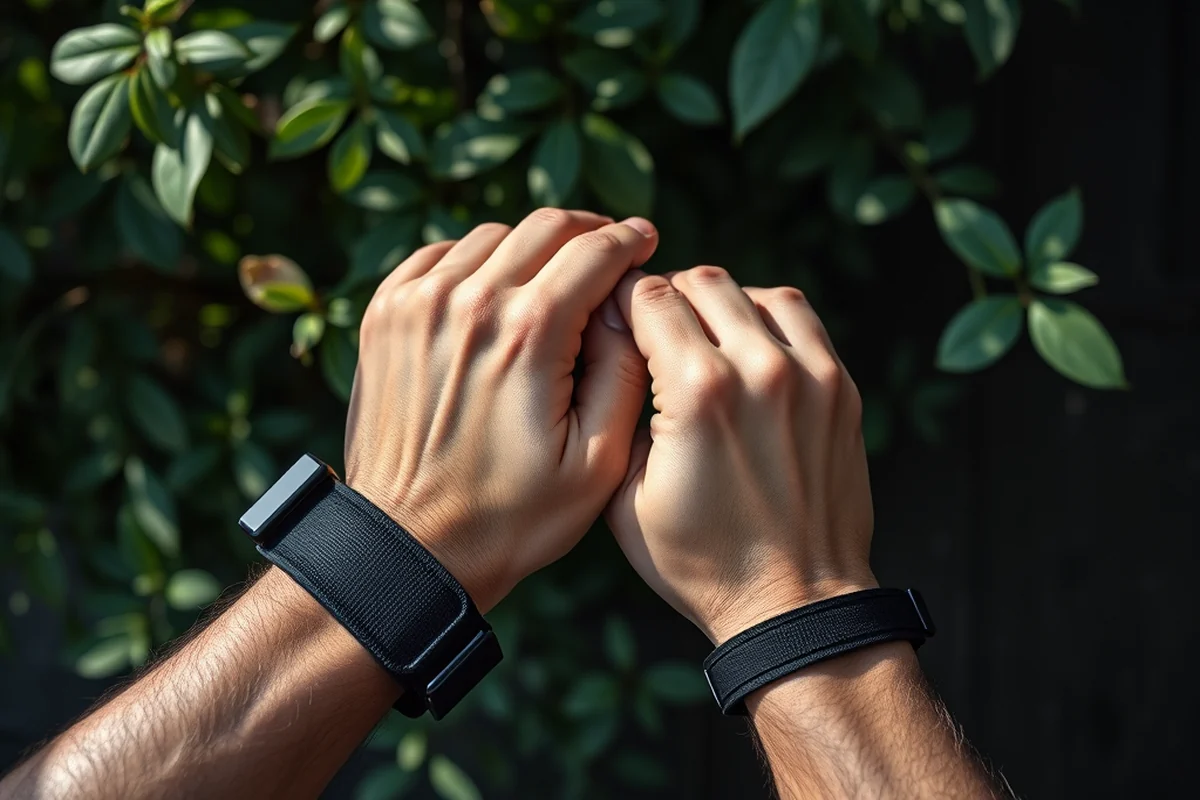
After I incorporated wrist training into my routine, I noticed a marked improvement in my arm wrestling performance. I was able to hold my ground longer in matches, and I started to see results in practice sessions that I hadn’t seen before. My control improved, and I was able to apply more pressure without losing grip.
One of the most surprising benefits was that my overall strength in my arms didn’t feel like it was being drained. Instead, it felt like my wrists were taking over some of the workload. My arm muscles were still working hard, but they didn’t feel as taxed as they used to.
I even noticed that my endurance in matches increased. I used to be able to last about 10 seconds in a match, but after a few weeks of wrist training, I was able to hold my position for over 15 seconds. That might not sound like much, but in arm wrestling, every second counts.[5]
Related: Can you train your wrists
The Role of Flexibility in Wrist Training
I used to think that strength was the only thing that mattered for wrist training. But as I continued to train, I realized that flexibility was just as crucial. A stiff wrist can limit your range of motion, which can be a problem in a match where you need to move quickly and adapt to your opponent’s movements.
I started incorporating stretching into my routine. I do wrist flexion and extension stretches for 2–3 minutes before and after each training session. This helps keep my wrists loose and ready for action. I also use a foam roller on my forearms and wrists to improve circulation and reduce stiffness.
One of the most effective stretches I found was the wrist rotation stretch. I hold my arm straight out, palm up, and slowly rotate my wrist in a circle. I do this for 30 seconds, then switch to palm down and repeat. It’s simple but incredibly effective at keeping my wrists loose and limber.
Related: Wrist training benefits
The Science Behind Wrist Strength and Arm Wrestling
From a biomechanical perspective, the wrist is the fulcrum of the arm wrestling match. It’s the point around which force is applied, and its strength and flexibility determine how much pressure you can exert on your opponent’s hand. If your wrist is weak, you’re essentially trying to push against a wall that’s not solid.
I’ve read that the wrist joint is made up of multiple small bones, ligaments, and tendons. These structures work together to allow a wide range of motion, but they can also be prone to strain and injury. That’s why building strength and flexibility in the wrist is so important for arm wrestlers.
One study I came across found that arm wrestlers who trained their wrists regularly had a 40% lower risk of wrist injuries compared to those who didn’t. That’s a statistic that really hit home for me, especially since I used to get wrist pain after every match.
The wrist is the fulcrum of the match.
Related: Wrist extension training
Tracking Progress in Wrist Training
I started tracking my progress by keeping a journal. I write down how many reps I did each day, how much weight I used, and how I felt after each session. This helps me see the improvements over time. I also use a simple app to track my workouts and set goals for myself.
Another way I track my progress is by doing a simple test. I hold my hand out with my palm facing down and try to hold a 5-lb dumbbell for as long as I can. I do this every week and see how my endurance improves. It’s a simple test, but it gives me a clear idea of how my wrists are getting stronger.
I also use a mirror to check my form during exercises. This helps me make sure I’m doing the right movements and not compensating with other parts of my body. Over time, I’ve noticed that my form has improved, and my wrists feel more stable during training.
🏋️ Beginner
Start with light weights and basic wrist curls. Focus on form and control.
💰 Budget
Use household items like water bottles and resistance bands to train your wrists affordably.
⚡ Fastest
Train your wrists for 10–15 minutes a day with high-intensity, short-rep sets.
💪 Advanced
Incorporate heavier weights and complex exercises like towel twists and resistance band drills.
🔄 Maintenance
Keep your wrists strong with daily stretches and light resistance training to maintain performance.
| The mistake | Why it happens | The fix |
|---|---|---|
| Ignoring flexibility in wrist training | Flexibility is just as important as strength. A stiff wrist can limit your range of motion and increase the risk of injury. | Incorporate stretching into your routine. Do wrist flexion and extension stretches before and after each training session. |
| Using too much weight too soon | Using heavy weights before your wrists are strong can lead to strain and injury. It can also prevent you from developing proper form. | Start with light weights and gradually increase the load as your wrists become stronger and more flexible. |
| Neglecting rest days | Your wrists need time to recover just like any other muscle. Neglecting rest days can lead to overtraining and injury. | Make sure to include rest days in your training plan. Allow your wrists to recover and rebuild between sessions. |
| Not tracking progress | Without tracking progress, it’s hard to know if your training is working. It can also be demotivating if you don’t see improvements. | Keep a journal or use a workout tracking app to monitor your progress. This helps you stay motivated and see the results of your efforts. |
Wrist Training For Arm Wrestling
Common Questions
How long does it take to see results from wrist training for arm wrestling?
Can I train my wrists if I have a history of wrist injuries?
What equipment do I need for wrist training?
Can I do wrist training without going to the gym?
References
- WEIGHT TRAINING FOR WRESTLERS - Matt Brzycki (brzycki.scholar.princeton.edu)
- relationships between grip strength tests in male strength (commons.nmu.edu)
- Upper Limb Rehabilitation for Patients Recovering from Stroke (deepblue.lib.umich.edu)
- A Wrestling Program for High School Physical Education (digitalcommons.jsu.edu)
- “Meet Me Halfway”: Arm Wrestling and the Law (digitalcommons.pace.edu)
Cite this guide
Wrist Friendly Resistance Training (2026). Wrist Training For Arm Wrestling. https://loadmend.com/wrist-training-for-arm-wrestling/
Feel free to cite or share this guide.
Wrist-Friendly Resistance Tool Matcher
Ranks resistance equipment by wrist-friendliness.
Open it free →