
Resistance Training For Beginners Women

📖 Table of Contents
- What Is Resistance Training For Beginners Women?
- Why Resistance Training Is Perfect For Beginners
- The Best Beginner Exercises For Women
- How To Structure Your First Workout
- How Long Should You Train Each Day?
- Tracking Progress: What Works And What Doesn’t
- How To Stay Motivated When Starting Out
- Make It Your Way
- Frequently Asked Questions
The first time I stepped into a gym, I was nervous, sweaty, and unsure of how to even hold a dumbbell. I was 26, and I had zero experience with resistance training. But within weeks, my posture improved, my back felt stronger, and I noticed how much more confident I was in my own body. Resistance training for beginners women isn’t just about bulking up or getting jacked — it’s about building a foundation of strength, resilience. Self-awareness that carries over into every other aspect of life.
I used to think that weightlifting was only for men or people who looked like they belonged on a magazine cover. That couldn’t be further from the truth. Resistance training for beginners women can be simple, effective, and even fun if done right. I learned this through trial, error. A lot of soreness, but now I see how much it has changed my life — from increased muscle tone to better mental focus and even more energy in my daily routine.
If you're a beginner woman who's hesitant to start resistance training, you're not alone. I remember the confusion about which exercises to do, how much weight to lift, and whether I was doing it all wrong. But here's the good news: resistance training for beginners women can be tailored to your lifestyle, your goals. Your schedule — and it doesn’t require a gym membership, expensive gear, or a personal trainer.
Why You'll Love This Beginner's Approach to Resistance Training
- Easy-to-learn exercises with clear, step-by-step instructions
- No equipment needed — bodyweight and household items work just fine
- Quick workouts that can fit into even the busiest schedules
- Visible results in as little as a week with consistent effort
What Is Resistance Training For Beginners Women?
As of October 2026, Resistance training for beginners women is all about applying force against resistance — this can be bodyweight, dumbbells, resistance bands, or even household items like water bottles. The key is to challenge your muscles in a way that forces them to grow stronger over time. I started with bodyweight exercises like push-ups and squats before I even owned a single dumbbell. It's surprising how much you can achieve with just your own body.
This form of training is especially beneficial for women because it helps build lean muscle, which can boost metabolism, improve posture, and even reduce the risk of injury. I noticed that after just a few weeks of consistent training, I was lifting heavier objects with ease — like groceries, luggage, and even my toddler without any strain.
There are no strict rules about how much weight to use or how many sets to do — the focus is on learning proper form, progressing over time, and listening to your body. I found that starting with lighter weights and focusing on perfecting my technique was far more effective than trying to lift heavy weights too quickly.
If you're new to resistance training for beginners women, start with your own bodyweight. Learn proper form first — this will help prevent injury and ensure you're working the right muscles.
Why Resistance Training Is Perfect For Beginners
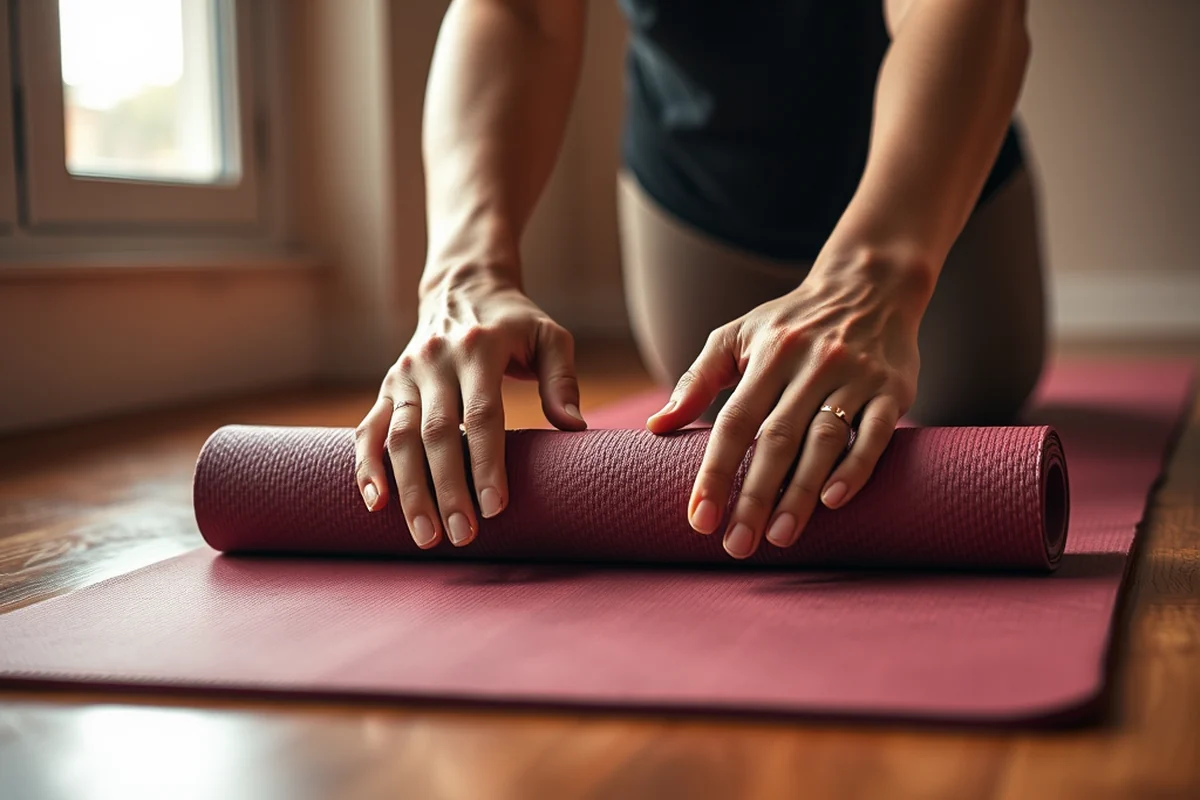
One of the best things about resistance training for beginners women is how flexible and accessible it is. Whether you're at home, in a park, or even in the office, you can find a way to train. I've done push-ups on my kitchen counter, squats in my living room, and even used a backpack filled with books as a makeshift weight.
You don’t need to spend hours at the gym to see results. I used to think that I had to dedicate an hour or more to get a good workout, but I've found that even 20-30 minutes of focused training can make a noticeable difference. It's all about quality over quantity.[1]
Another benefit is the mental confidence that comes with being stronger. I remember the first time I could do a full push-up without my arms shaking — it felt like a small victory that gave me more motivation to keep going.
Strength is not about how much you lift — it's about how much you believe in yourself.
Related: What is training station
The Best Beginner Exercises For Women
When I started resistance training for beginners women, I focused on bodyweight exercises to build a foundation. Bodyweight exercises like squats, planks, and push-ups are great for beginners because they don’t require equipment and can be modified for different fitness levels. I found that starting with these moves helped me understand my body better and build a strong base for more advanced training later.
As you get more comfortable, you can add resistance bands or light dumbbells to increase the challenge. I added resistance bands to my push-ups and squats after a few weeks — they helped target muscles in a different way and made my workouts feel more dynamic.
The key is to focus on proper form and consistency. I used to rush through my workouts, but now I take my time to ensure that each movement is done correctly. This has made a huge difference in the results I’ve seen over time.
When doing resistance training for beginners women, use a mirror to ensure your form is correct. This helps prevent injuries and ensures you're targeting the right muscles.
“The first time I stepped into a gym, I was nervous, sweaty, and unsure of how to even hold a dumbbell.”— Wrist Friendly Resistance Training editors
Related: To training meaning
How To Structure Your First Workout
I used to skip warm-ups because I thought they were unnecessary, but I quickly learned that they’re essential. A proper warm-up increases blood flow to the muscles and prepares the body for activity. I now start with 5-10 minutes of light cardio like jumping jacks or walking in place before exploring my workout.
After warming up, I focus on 3-4 exercises that target different muscle groups. I usually do squats, push-ups, and planks — they work the lower body, upper body, and core, which are all essential for overall strength and balance.
Ending with a cool-down is just as important. I spend 5 minutes stretching each major muscle group after my workout. This helps reduce soreness and promotes recovery. I used to feel sore for days, but now I rarely do.
Related: Pilates or resistance training
How Long Should You Train Each Day?
I used to think that I needed to train for an hour every day to see results. But after a few weeks, I realized that quality is more important than quantity. I now train for 20-30 minutes a day, 3-5 times a week, and I see steady progress. It’s enough time to work out all major muscle groups without overtraining.[2]
Consistency is the key to building strength. Even if I only have 15 minutes to spare, I’ll do a short workout. I’ve found that even a few minutes of focused training can make a difference over time.
I also make sure to give my body at least one day of rest each week. This helps prevent burnout and allows muscles to recover. I used to ignore rest days, but now I see how much more effective my workouts have become.
Related: What is electrical training
Tracking Progress: What Works And What Doesn’t
I used to measure my progress by how much I weighed — but that didn’t tell me the whole story. I’ve since learned that tracking how I feel, how my clothes fit, and even how much I can lift is a more accurate way to measure progress. I take photos every few weeks to see how my body is changing over time.
Tracking how much weight I can lift is also helpful. I used to be scared of lifting heavier weights, but now I focus on small increases each week. Even lifting a little more each time has made a big difference.
I’ve also noticed that my energy levels have increased, and I feel more confident in my own body. These are all signs of progress that don’t show up on a scale, but they’re just as important.
Progress is not always visible — sometimes it's in the way you move and the way you feel.
Related: Electrical training programs
How To Stay Motivated When Starting Out
When I first started resistance training for beginners women, I struggled with motivation. I used to skip workouts or feel frustrated when I didn’t see results immediately. But I’ve learned that small, achievable goals are key to staying on track. I now set goals like 'do 10 push-ups' or 'complete a full workout without stopping.'
Finding a workout buddy has also helped me stay consistent. I used to work out alone, but now I have a friend who trains with me. We encourage each other and hold each other accountable. It makes the process more enjoyable and less lonely.
Celebrating even the smallest wins has made a big difference. I used to feel discouraged if I missed a day or couldn’t do as many reps as I wanted. But now I focus on the progress I’ve made, no matter how small. It’s all about building momentum and staying positive.
🏋️ Beginner's Approach
Start with bodyweight exercises and focus on learning proper form.
💰 Budget-Friendly
Use household items or free online resources to train at home.
⏱️ Fastest Results
Combine short, high-intensity workouts with a consistent routine for quick progress.
🔥 Advanced
Add heavier weights, more complex movements, and increase intensity for greater gains.
🔄 Maintenance
Keep your strength and fitness level by doing shorter, less intense workouts regularly.
| The mistake | Why it happens | The fix |
|---|---|---|
| Skipping warm-ups | Skipping warm-ups can lead to injuries and reduce the effectiveness of your workout. | Always start with a 5-10 minute warm-up, such as light cardio or dynamic stretches. |
| Lifting too much weight too quickly | This can lead to poor form, injuries, and frustration if you’re not making progress. | Start with lighter weights and focus on learning proper form before increasing the weight. |
| Ignoring rest days | Not taking rest days can lead to burnout and slow progress. | Make sure to take at least one full rest day each week to allow your muscles to recover. |
| Focusing too much on the scale | The scale doesn’t always reflect progress in strength or muscle tone. | Track progress through photos, how you feel, and how much weight you can lift instead of relying solely on the scale. |
Resistance Training For Beginners Women
Common Questions
Do I need a gym membership to start resistance training?
How long should I train each day as a beginner?
Can I do resistance training if I have no prior experience?
How do I track my progress?
References
- Strength training: Get stronger, leaner, healthier - Mayo Clinic (mayoclinic.org)
- 2008 Physical Activity Guidelines for Americans (health.gov)
Cite this guide
Wrist Friendly Resistance Training (2026). Resistance Training For Beginners Women. https://loadmend.com/resistance-training-for-beginners-women/
Feel free to cite or share this guide.
Wrist-Friendly Resistance Tool Matcher
Ranks resistance equipment by wrist-friendliness.
Open it free →