
Should I Do Resistance Training

📖 Table of Contents
- What is Resistance Training and Why Should You Care?
- How to Get Started — No Gym Required
- The Science Behind Resistance Training
- Common Misconceptions About Resistance Training
- How to Build a Routine That Works for You
- The Mental Benefits of Resistance Training
- How to Stay Motivated and Avoid Burnout
- Make It Your Way
- Frequently Asked Questions
I remember the first time I picked up a dumbbell. It wasn't in a gym, but in my living room, with a 15-pound weight and a YouTube video playing in the background. I was 28, had a back that felt like it was made of wet paper, and I was convinced that resistance training was just for bodybuilders. But that day, after 20 minutes of squats and push-ups, I felt something shift in my body. I wasn't just stronger — I felt more present in my own skin. Should I do resistance training? That question is one many of us ask, and the answer is more nuanced than you might think.[1]
Resistance training is the unsung hero of health. It’s not about bulking up or looking like a magazine cover. It's about building strength, resilience, and confidence — all of which I lacked when I first started. I remember feeling like a fraud the first time I walked into a gym, surrounded by people who seemed to know exactly what they were doing. But that fear faded as I learned the basics, and now, I can’t imagine my life without it. Should I do resistance training? If you're asking that question, you might be standing on the edge of a transformation you’ve been avoiding.
I don’t say this lightly, but resistance training has changed the way I move, think, and feel about my body. It’s not just about lifting weights — it’s about learning how your body communicates with you. There was a time when I’d feel pain in my knees and just ignore it, but now, I know when to push and when to step back. Should I do resistance training? If you’re looking for a way to feel more in control of your health, this is the starting line.
Why You'll Love This Approach to Resistance Training
- You’ll feel stronger and more confident in your daily life.
- You’ll notice better posture and balance in just a few weeks.
- You’ll experience fewer aches and pains as your body adapts.
- You’ll unlock a sense of discipline and accomplishment you didn’t know you had.
What is Resistance Training and Why Should You Care?
As of October 2026, Resistance training involves using weights, resistance bands, or your own body weight to challenge your muscles. I started with bodyweight exercises like push-ups and squats, which are simple and effective. The goal is to create tension in the muscles, which triggers growth and repair. I remember the first time I did a single push-up — it felt like a victory.
The benefits go far beyond just building muscle. It improves bone density, boosts metabolism, and even helps with mental health. I used to feel anxious about going to the gym, but now I look forward to it. Resistance training is a form of self-care that I didn’t realize I needed.
When you start, it’s easy to feel overwhelmed by the options. But the truth is, you don’t need a fancy gym membership or expensive equipment. A few dumbbells, a mat, and a YouTube channel can get you started. The key is consistency, not intensity.
Before jumping into weights, try bodyweight moves like squats, push-ups, and planks. They’re free, easy to learn, and can be done anywhere.
How to Get Started — No Gym Required
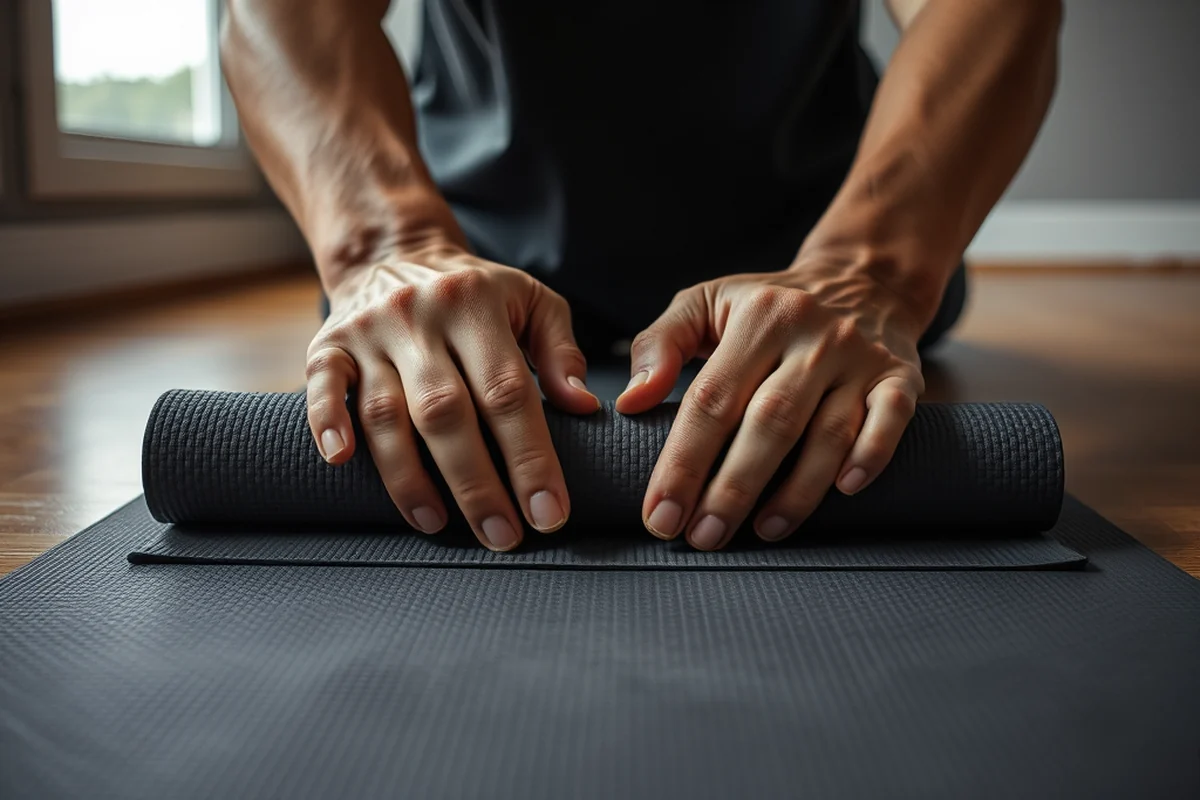
You don’t need a gym to start resistance training. I started with a 15-pound dumbbell and a mat — that’s all I had. There are also bodyweight exercises like squats, push-ups, and lunges that can be done anywhere. The key is to find a routine that works for you and your lifestyle.[2]
I remember the first time I did a full body workout at home. It took me 30 minutes, and I felt exhausted but accomplished. There’s something satisfying about completing a workout without leaving the house. Plus, it saves time and money.[3]
If you’re on a budget, resistance bands are a great investment. They’re lightweight, portable, and can be used for a variety of exercises. I used to buy them at $25, and they’ve lasted me for over two years.
You don’t need a gym to start resistance training — you just need the will to begin.
Related: How much resistance training
The Science Behind Resistance Training
Studies show that resistance training can increase muscle mass, improve metabolic rate, and even help with weight management. I used to think that cardio was the only way to burn calories, but now I know that strength training is just as important — if not more so.
One of the best things about resistance training is that it builds lean muscle, which burns more calories at rest. I didn’t expect that, but after a few weeks of training, I noticed that I was more active and had more energy throughout the day.
There’s also evidence that resistance training can improve brain function and reduce the risk of chronic diseases like diabetes and heart disease. It’s not just a workout — it’s a form of long-term health investment.
Keep a journal or use an app to track your workouts, reps, and how you feel. It helps you see your progress over time.
“I remember the first time I picked up a dumbbell.”— Wrist Friendly Resistance Training editors
Related: How much resistance training should i do
Common Misconceptions About Resistance Training
One of the biggest myths is that resistance training is only for men. I used to think that too, but now I know that women can benefit from it just as much — if not more. It helps with posture, bone density, and even confidence.
Another misconception is that you need to be in shape to start. I was out of shape when I began, and I still see improvements. You don’t have to be perfect — you just have to be consistent.
Some people also think resistance training is too hard or time-consuming, but that’s not the case. I started with just 20 minutes a day and saw results in a few weeks. It’s manageable if you commit to it.
Related: Resistance training glutes
How to Build a Routine That Works for You
The best routine is one that you can stick to. I used to try to do everything at once, which led to burnout. Now, I focus on a few key exercises that I can do every day. It’s simple and effective.
I found that working out three times a week for 30 minutes was enough to see changes. I mix up my exercises to keep it interesting — some days I do bodyweight moves, and other days I use weights or resistance bands.
It’s also important to listen to your body. If something feels wrong, take a break. I used to push through pain, but now I know when to rest and when to push. It’s all about balance.
Related: Resistance training chart
The Mental Benefits of Resistance Training
I used to feel anxious and low on energy, but after a few weeks of resistance training, I noticed a change. I felt more confident and had a better sense of control over my life.
Resistance training can help reduce stress and improve mood by releasing endorphins. I remember feeling more focused and calm after my first session. It was like a mental reset.
There’s also a sense of accomplishment that comes with completing a workout. I used to struggle with self-doubt, but now I see progress in my strength and my mindset. It’s a form of mental training, too.
Resistance training isn’t just for your body — it’s for your mind, too.
Related: Resistance training vs pilates
How to Stay Motivated and Avoid Burnout
Motivation can be tricky, but I’ve found that setting small, achievable goals helps. I used to set big goals like “get stronger in a month,” but now I focus on daily habits instead. Small wins build up over time.
I also find it helpful to track my progress. I use an app to log my workouts and see how far I’ve come. It’s a reminder of how far I’ve already gone.
To avoid burnout, I make sure to take rest days and vary my workouts. I used to push myself too hard, but now I know that recovery is just as important as the workout itself.
🏋️ Beginner
Start with bodyweight exercises and light weights. Focus on learning proper form and building a foundation.
💰 Budget
Use bodyweight moves and resistance bands. You don’t need a gym to get started.
⏱️ Fastest
Do short, high-intensity workouts that target major muscle groups. Get results quickly with minimal time.
🔥 Advanced
Increase weights and complexity with compound lifts and advanced techniques. Push your limits and see real progress.
🔄 Maintenance
Keep your strength with regular, low-impact workouts. Stay consistent to maintain your gains.
| The mistake | Why it happens | The fix |
|---|---|---|
| Skipping warm-ups | Warming up is essential to prepare your muscles and prevent injury. I used to skip it and ended up with soreness and pain. | Always do a 5-10 minute warm-up before starting your workout. It makes a big difference. |
| Ignoring form | Poor form can lead to injury and reduce the effectiveness of your workout. I used to lift too heavy too soon and ended up with back pain. | Focus on proper technique before increasing weights. Take time to learn the right way to move. |
| Overtraining | Overtraining can lead to burnout and injury. I used to push myself too hard, and it backfired. | Allow your body to rest and recover. Listen to your body and take rest days when needed. |
| Not setting goals | Without goals, it’s easy to lose motivation and stop. I used to feel like I was just going through the motions. | Set small, achievable goals and track your progress. It keeps you motivated and focused. |
Should I Do Resistance Training
Common Questions
How long does it take to see results from resistance training?
Can I do resistance training at home without any equipment?
Is resistance training safe for beginners?
How often should I do resistance training?
References
- Candidate Physical Ability Test Guide (CPAT) - Denvergov.org (appweb2.augustaga.gov)
- 2008 Physical Activity Guidelines for Americans (health.gov)
- Intensity of effort and momentary failure in resistance training - PMC (pmc.ncbi.nlm.nih.gov)
Cite this guide
Wrist Friendly Resistance Training (2026). Should I Do Resistance Training. https://loadmend.com/should-i-do-resistance-training/
Feel free to cite or share this guide.
Wrist-Friendly Resistance Tool Matcher
Ranks resistance equipment by wrist-friendliness.
Open it free →