
Resistance Training For Beginners Female

📖 Table of Contents
- Understanding the Basics of Resistance Training for Beginners Female
- Designing Your First Resistance Training Plan
- Choosing the Right Equipment for Resistance Training for Beginners Female
- Tracking Progress in Resistance Training for Beginners Female
- Nutrition and Recovery for Resistance Training for Beginners Female
- Staying Motivated Through the Journey of Resistance Training for Beginners Female
- Avoiding Common Pitfalls in Resistance Training for Beginners Female
- Make It Your Way
- Frequently Asked Questions
I remember my first day at the gym like it was yesterday — standing in the middle of the weight room, unsure of where to start, my heart racing, and my confidence in the gutter. I had read about resistance training for beginners female in a few articles. None had prepared me for the overwhelming sea of machines, free weights, and people who seemed to know exactly what they were doing. I walked in with a vague idea that strength training could help me build muscle and feel stronger, but I had no idea how to begin or what to expect. That day, I resolved to learn, to be patient, and to take it one step at a time.
Resistance training for beginners female is not about chasing perfection or lifting heavy weights on the first day. It’s about laying a foundation — building habits, learning proper form, and understanding how your body responds to movement. I’ve tried countless beginner programs, from bodyweight routines to guided online workouts, and I can tell you this: the most valuable part of the journey is starting small and being consistent. Even a 10-minute session three times a week can yield results if you’re focused and intentional with each rep.[1]
Over time, I learned that resistance training for beginners female is also about empowerment — it’s about realizing your body is capable of more than you ever imagined. I’ve watched myself grow stronger, more confident, and more aware of how my body moves. It’s not just about looking better; it’s about feeling better, moving better, and understanding the power of consistency and self-care. If you’re reading this, you’re not alone — and I promise you, the journey is worth every drop of sweat.
Why You'll Love This Resistance Training Journey
- Builds real, sustainable strength that improves your daily life
- Boosts self-confidence and body awareness
- Requires no equipment — bodyweight options are always available
- Can be done anywhere, anytime, with no gym membership needed
Understanding the Basics of Resistance Training for Beginners Female
As of November 2026, when I first started, I had no idea what ‘form’ meant — I just knew I wanted to feel stronger. I learned that form is about how you move your body through each exercise, and it’s the most important part of any workout. If you rush through a rep or use incorrect technique, you’re not only wasting your effort but also risking injury. I remember the first time I tried a bicep curl with a 5-pound dumbbell, and I noticed how my back was arching — that was a clear sign I was doing something wrong.
Proper form means keeping your core engaged, your back straight, and your movements slow and controlled. For beginners, I recommend starting with bodyweight exercises like push-ups, squats, and planks to build a foundation. These movements help you understand how your body works before adding any weights. I also recommend recording yourself during the first few sessions to spot any mistakes or compensations you might be making.[2]
Another key aspect of resistance training for beginners female is consistency. You don’t need to lift heavy weights or spend hours at the gym to see results. In fact, I found that doing short, focused sessions three times a week — even as little as 20 minutes — made a much bigger impact than trying to do a full workout once a week. Consistency is the real secret to progress.[3]
Invest 5 minutes in a video tutorial or find a trainer who can correct your form — it’s the most important investment you’ll make in your training journey.
Designing Your First Resistance Training Plan
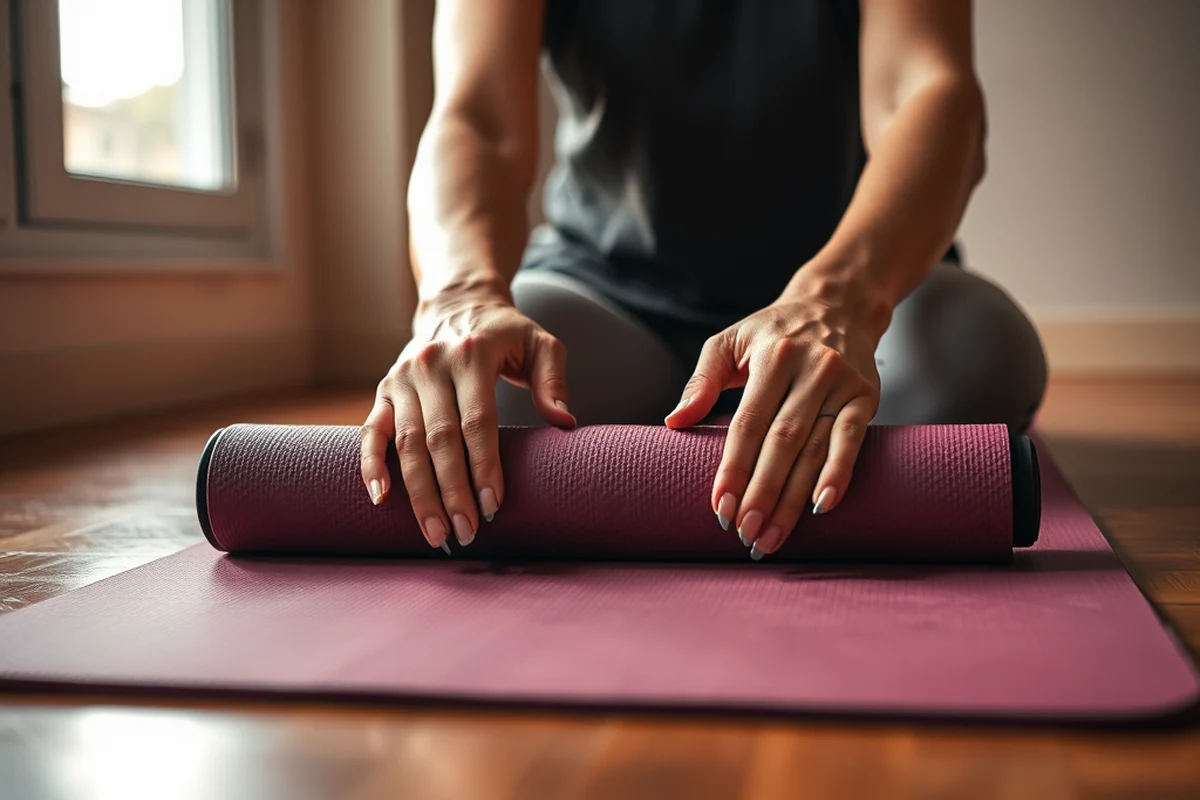
When I started, I was overwhelmed by the number of exercises available. I tried to do everything at once — push-ups, pull-ups, deadlifts — and I ended up sore and confused. I quickly learned that less is more when you’re beginning. A good plan for resistance training for beginners female includes exercises that work multiple muscle groups at once, like squats, rows, and push-ups. These moves are efficient and help you build overall strength without overcomplicating things.
I recommend starting with a full-body workout that targets all major muscle groups — upper body, lower body, and core — in one session. This helps you build strength evenly and reduces the risk of imbalances. I followed a simple plan: two sets of 10–12 reps for each exercise, with 30–60 seconds of rest in between. I also made sure to vary the exercises every few weeks to keep my body guessing and prevent plateaus.[4]
Another thing I learned is the importance of rest. My first few weeks were spent pushing through every rep, thinking that more was always better. But I soon realized that without rest, I wasn’t making progress — I was just getting more sore. I now make sure to rest for at least 48 hours between sessions targeting the same muscle group, and I always finish with a 5-minute stretch to help my muscles recover.[5]
Start with full-body moves, rest properly, and watch your strength grow.
Related: Golf swing speed training equipment
Choosing the Right Equipment for Resistance Training for Beginners Female
When I started, I thought I needed a full gym membership, a rack of weights, and a personal trainer. But I quickly found that I could do most of what I wanted with just a pair of 5-pound dumbbells and a mat. I used them for bicep curls, shoulder presses, and lateral raises. I also did bodyweight squats, lunges, and push-ups — all of which were incredibly effective for building strength and muscle tone.
I tried a few beginner programs online that used just bodyweight, and I was surprised by how quickly I saw improvements. I could do push-ups on the floor, or on a bench if I needed to make it easier. I also used resistance bands, which were inexpensive and versatile. They helped me add variety to my workouts and provided an extra challenge without increasing the weight.
If you’re just starting out, I recommend investing in a set of light dumbbells (5–10 pounds) and a resistance band. These items are affordable and can be used for a wide range of exercises. You don’t need a fancy gym — all you need is space, a mat, and the right mindset.
A $20 set of 5-pound dumbbells and a $15 resistance band can transform your home into a mini gym, making it easier to stay consistent.
“I remember my first day at the gym like it was yesterday — standing in the middle of the weight room, unsure of where to…”— Wrist Friendly Resistance Training editors
Related: Jj keller training
Tracking Progress in Resistance Training for Beginners Female
When I started, I had no idea how to measure my progress. I thought that if I felt stronger, I must be making gains. But I quickly realized that without a way to track my improvements, I was just guessing. I started taking notes — how many reps I could do, how my form had improved, and how I felt after each session. These small details helped me see how much I was actually progressing.
I also used a simple app to log my workouts. I recorded the exercises, the weights, and the number of reps. This allowed me to see patterns over time — like when I was getting stronger or when I was plateauing. I found that keeping a log helped me stay motivated, especially when I could see that I was doing more reps or lifting heavier weights than I had before.
Another way I tracked my progress was through photos. I took a picture of myself every few weeks and compared them to see how my body had changed. It was amazing how much I could see even in a short period of time. Tracking your progress, whether through apps, notes, or photos, is one of the best ways to stay on track and see how far you’ve come.
Related: Resistance training for legs
Nutrition and Recovery for Resistance Training for Beginners Female
For a long time, I thought that resistance training for beginners female was only about lifting weights — I didn’t think about what I was eating or how I was recovering. But I quickly realized that without proper nutrition and rest, I wasn’t making the progress I wanted. I started paying attention to what I was eating — making sure I was getting enough protein, staying hydrated, and avoiding overly processed foods.
I also learned the importance of sleep. I used to think that 6–7 hours was enough, but I found that I needed at least 7–8 hours to feel fully recovered. I made sure to go to bed at the same time each night and created a wind-down routine that helped me relax. I also started taking magnesium supplements, which I read helped with muscle recovery and sleep quality.
I now make sure that I’m eating enough to fuel my workouts and that I’m not skipping meals. I also listen to my body — if I’m feeling tired or sore, I rest instead of pushing through. Proper nutrition and recovery are just as important as the actual workouts in building strength and seeing results.
Related: Fitness equipment in the gym
Staying Motivated Through the Journey of Resistance Training for Beginners Female
At first, I thought that motivation was something I had to find on my own — but I quickly realized that it’s something you can build and maintain with the right strategies. I started setting small, achievable goals — like doing 10 push-ups in a row or lifting 5 pounds for 3 sets. These small wins kept me going and helped me stay focused.
I also found that having a training partner or accountability buddy helped me stay on track. I started working out with a friend every few weeks, and it made the sessions more fun and more effective. We would encourage each other and push each other to do more. I also found that listening to music or podcasts during my workouts helped me stay focused and energized.
Another way I stayed motivated was by celebrating my progress. I would treat myself to something small after hitting a milestone — like a new workout shirt or a relaxing bath. I also kept a journal where I wrote down how I felt after each session, which helped me see how much I was improving over time.
Motivation is a habit, not a feeling — build it with small wins and consistent effort.
Related: Golf swing training equipment
Avoiding Common Pitfalls in Resistance Training for Beginners Female
One of the biggest mistakes I made early on was rushing through my workouts. I thought that the faster I did the reps, the better — but I quickly realized that this was leading to poor form and not getting the most out of each exercise. I started slowing down and focusing on each rep, which made a huge difference in how my body responded to the training.
Another mistake I made was trying to do too much too soon. I wanted to push myself and lift heavier weights, but I didn’t give my body enough time to recover. I found that overtraining led to soreness, fatigue, and even some small injuries. I now make sure to listen to my body and rest when I need to, even if it means taking a day off.
I also made the mistake of ignoring my form in favor of lifting heavier weights. I thought that lifting more was always better, but I soon realized that proper form is what really matters. I started focusing on quality over quantity, and I noticed that I was getting stronger without risking injury.
🧘 Beginner
Start with bodyweight exercises and light dumbbells, focusing on form and consistency.
💰 Budget
Use resistance bands, free online workouts, and bodyweight moves to save money and build strength.
⚡ Fastest
Short, high-intensity workouts that can be done in under 20 minutes with minimal equipment.
🏋️ Advanced
Add heavier weights, compound lifts, and more complex movements as your strength improves.
🔄 Maintenance
Keep your strength and muscle tone with shorter, low-impact sessions and regular form checks.
| The mistake | Why it happens | The fix |
|---|---|---|
| Skipping warm-ups | This can lead to injury and poor performance, as your muscles and joints aren’t prepared for the workout. | Always start with 5–10 minutes of light cardio and dynamic stretches to prepare your body for the session. |
| Lifting too much too soon | This can lead to overtraining, injuries, and burnout. | Start with light weights and focus on form — gradually increase the weight as your strength improves. |
| Neglecting rest days | Without proper rest, your muscles won’t recover, and you risk injury. | Schedule rest days between workouts and prioritize sleep and recovery to help your body rebuild. |
Resistance Training For Beginners Female
Common Questions
Do I need a gym to start resistance training for beginners female?
How often should I train for resistance training for beginners female?
Can I do resistance training for beginners female if I have no experience?
How long will it take to see results from resistance training for beginners female?
References
- Benefits, Myths & Misconceptions of Resistance Training for the ... (adelphi.edu)
- Eccentrically Reinforced Resistance Training vs. Traditional ... (clinicaltrials.gov)
- Time-restricted Feeding Plus Resistance Training in Active Females (digitalcommons.kennesaw.edu)
- "Strength Training Among Women in College" by Kimberly S. Hurley ... (digitalcommons.wku.edu)
- Will Lifting Weights Make Me Gain Weight? | Thrive in Dublin, Ohio ... (econdev.dublinohiousa.gov)
Cite this guide
Wrist Friendly Resistance Training (2026). Resistance Training For Beginners Female. https://loadmend.com/resistance-training-for-beginners-female/
Feel free to cite or share this guide.
Wrist-Friendly Resistance Tool Matcher
Ranks resistance equipment by wrist-friendliness.
Open it free →