
Resistance Training Gym Equipment

📖 Table of Contents
- Free Weights: The Foundation of Resistance Training
- Resistance Machines: A Beginner’s Best Friend
- Bodyweight Training: The No-Equipment Option
- Cable Machines: The Swiss Army Knife of Resistance Training
- Resistance Bands: The Portable Solution
- Cardio-Resistance Equipment: Combining Strength and Endurance
- Home vs. Commercial Gym Equipment
- Make It Your Way
- Frequently Asked Questions
The first time I walked into a gym, I was overwhelmed by the sheer number of resistance training gym equipment lining the walls. Free weights, resistance machines, and bodyweight tools all seemed to scream for attention, but I didn’t know where to start. I remember standing in the middle of a row of cable machines, trying to figure out which ones would help me build strength without overcomplicating things. It was then I realized that choosing the right resistance training gym equipment isn’t just about picking the most expensive option—it’s about understanding what each tool does and how it fits into your fitness journey.[1]
Over the years, I’ve tested dozens of pieces of resistance training gym equipment, from basic barbells to high-tech adjustable machines. Some worked better than others, and I learned that the best tools are the ones that align with your goals, whether that’s building muscle, improving endurance, or boosting flexibility. This article is a culmination of my experiences and research, designed to guide you through the maze of gym equipment and help you find what works for you.[2]
Resistance training gym equipment is more than just a collection of weights and machines; it’s the foundation of any effective strength-training routine. Whether you're a beginner or an advanced lifter, having the right tools can make all the difference in your progress. My aim here is to give you a clear, no-nonsense breakdown of the most common types of equipment and how to use them effectively. Let’s get started.
Why You'll Love This Resistance Training Gym Equipment Guide
- Comprehensive breakdown of the most common types of gym equipment
- Practical tips for using each piece of equipment effectively
- Personal insights from years of testing and using resistance training tools
- Guidance tailored to different fitness levels and goals
Free Weights: The Foundation of Resistance Training
As of October 2026, Free weights, such as dumbbells and barbells, are the cornerstone of any resistance training program. Unlike machines, they require stabilization, which engages more muscle groups and improves overall body control. I’ve found that using free weights consistently has helped me build not just bigger muscles, but also better posture and balance.
When I first started, I bought a set of adjustable dumbbells and a standard barbell. Over time, I realized that the ability to adjust weights and grip positions was crucial for progressing. Whether I was doing bench presses or overhead presses, the flexibility of free weights allowed me to tailor each workout to my needs.
One of the best things about free weights is that they’re often more affordable than machines. A good set of dumbbells can cost between $50 and $150, and a barbell with plates can be picked up for around $200. If budget is a concern, starting with a few pairs of dumbbells is a great way to build a strong foundation.[3]
Always keep your core engaged and feet planted firmly when using free weights to prevent injury and improve form.
Resistance Machines: A Beginner’s Best Friend
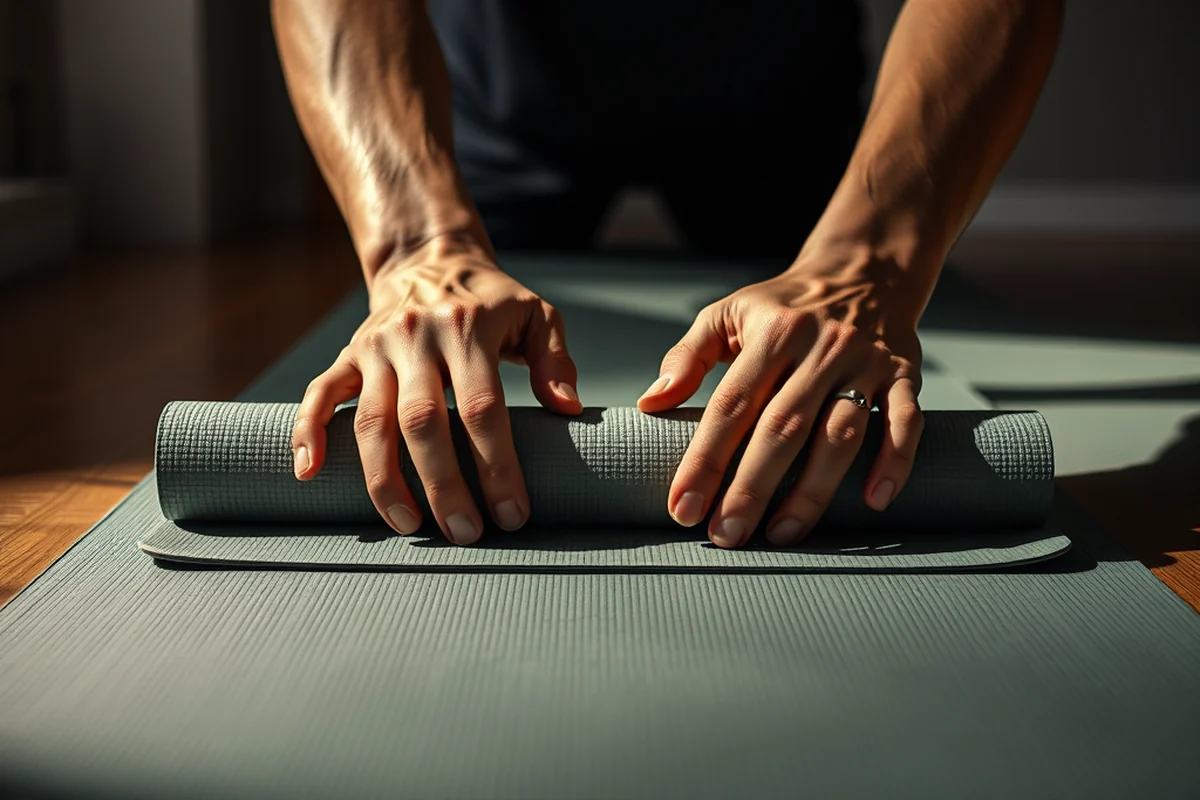
Resistance machines are a fantastic option for newcomers to resistance training. They provide a fixed path of motion, which reduces the risk of injury and ensures proper form. I remember how much easier it was to learn squats using a leg press machine compared to trying to master them with free weights.
These machines are also great for targeting specific muscle groups. For example, the chest press machine isolates the chest muscles, while the lat pulldown machine focuses on the back. This makes them ideal for those who want to build muscle in a particular area without overcomplicating their routine.
While machines can be found in most commercial gyms, buying a home version can be a bit expensive. However, some models are worth the investment, especially for those with mobility issues or recovering from an injury. I’ve seen people regain strength and confidence using home machines, and it’s a powerful reminder of their value.
Resistance machines are the bridge between confusion and confidence for beginners.
Related: Resistance training for beginners
Bodyweight Training: The No-Equipment Option
Bodyweight training is one of the most accessible ways to engage in resistance training. It requires no equipment and can be done anywhere—whether it’s at home, in the park, or on vacation. I’ve been doing push-ups, pull-ups, and bodyweight squats for years, and I’ve noticed a significant improvement in my endurance and muscle tone.
One of the best things about bodyweight training is that it challenges your muscles in unique ways. Since you’re using your own body as resistance, you’re constantly forcing your muscles to adapt. I’ve found that even after months of doing the same exercises, my body continues to get stronger and more defined.
For those who are short on time or equipment, bodyweight training is an excellent solution. It’s also a great way to warm up or cool down before or after a more intense workout. I often do a quick set of burpees or jump squats to get my heart rate up before starting my main workout.
When doing bodyweight exercises like push-ups, a towel or mat can improve your grip and reduce the risk of slipping.
“The first time I walked into a gym, I was overwhelmed by the sheer number of resistance training gym equipment lining the walls.”— Wrist Friendly Resistance Training editors
Related: Resistance training classes near me
Cable Machines: The Swiss Army Knife of Resistance Training
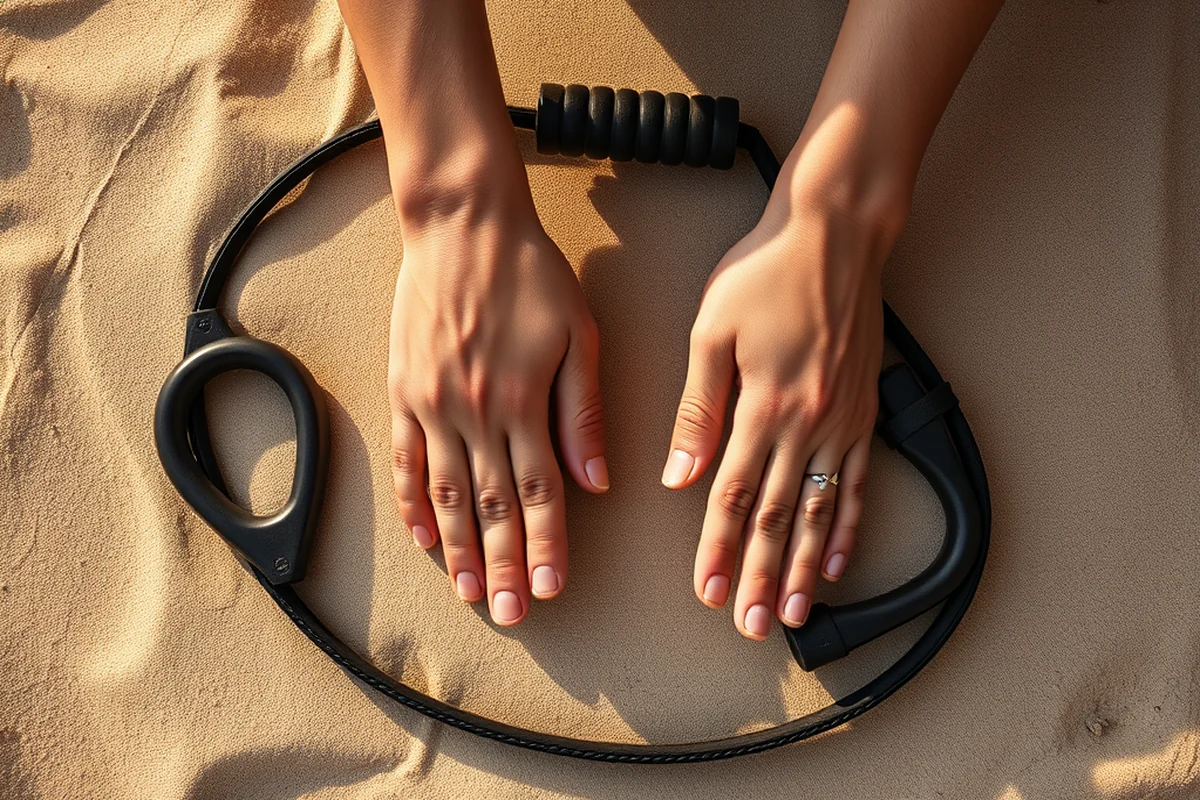
Cable machines are one of the most versatile pieces of resistance training gym equipment I’ve used. They allow for a wide range of motion and can be adjusted to different resistance levels. I’ve found that they’re especially useful for targeting specific areas, like the rear delts or the biceps, with pinpoint accuracy.
One of the reasons I love cable machines is that they’re great for both upper and lower body workouts. For example, the cable row is excellent for the back, while the cable press is perfect for the chest. Plus, the adjustable pulleys allow for different angles, making each exercise more effective.
While cable machines can be expensive, they’re a worthwhile investment for those serious about their training. I’ve seen people achieve significant muscle gains and strength improvements using cable machines alone, and it’s a testament to their effectiveness.
Related: Resistance training
Resistance Bands: The Portable Solution
Resistance bands are a fantastic addition to any resistance training routine. They’re inexpensive, portable, and can be used for a wide variety of exercises. I’ve used them for everything from bicep curls to leg extensions, and they’ve been a game-changer for adding extra resistance to my workouts.
One of the key advantages of resistance bands is their versatility. They can be used to enhance bodyweight exercises or serve as the primary tool for a full workout. I’ve found that combining bands with free weights or machines can create a more intense workout and help break through plateaus.
Another benefit is that resistance bands are easy to store and take with you on the go. Whether I’m at the gym, traveling, or at home, they’re always within reach. I’ve even used them in hotels for quick workouts, and they’ve never let me down.
Related: Should i do resistance training
Cardio-Resistance Equipment: Combining Strength and Endurance
Equipment like the rowing machine and the stationary bike combines resistance training with cardio benefits. I’ve found that using these machines has helped me build endurance and burn calories without putting too much stress on my joints. It’s a great way to stay active without overexerting myself.
One of the best things about cardio-resistance equipment is that it’s low-impact. Unlike running, which can be hard on the knees and ankles, these machines provide a smooth, consistent motion that’s easier on the body. I’ve noticed a significant improvement in my stamina since I started using the rowing machine regularly.
These machines are especially useful for people with joint pain or those who want to improve their overall fitness without focusing solely on strength training. I’ve seen older adults and athletes alike benefit from these tools, and it’s a powerful reminder of their value.
Cardio-resistance equipment is the perfect bridge between strength and endurance.
Related: Resistance training near me for beginners
Home vs. Commercial Gym Equipment
Choosing between home and commercial gym equipment depends on your goals, budget, and space. I’ve used both, and each has its own pros and cons. Commercial gyms offer access to a wide range of equipment, but they can be noisy and crowded. On the other hand, home equipment provides convenience and privacy, but it can be expensive and take up a lot of space.
One of the best aspects of home equipment is that you can use it at any time, without worrying about waiting for a machine or dealing with others. However, the cost can add up quickly. For example, a high-quality home gym with a treadmill, weights, and resistance machines can easily cost over $5,000.[4]
Commercial gyms are a good option for people who prefer social interaction and don’t want to invest in equipment. But I’ve noticed that some people find it difficult to stay motivated in a crowded gym. It all comes down to personal preference and what you’re looking to achieve.
🏋️ Beginner
Start with bodyweight exercises and light resistance bands to build a strong foundation.
💰 Budget
Use free weights and bodyweight training to achieve great results without breaking the bank.
⏱️ Fastest
Use a combination of resistance machines and bodyweight exercises for quick, effective workouts.
🔥 Advanced
Incorporate free weights, cable machines, and resistance bands for a full-body, high-intensity workout.
🛠️ Maintenance
Focus on low-impact cardio-resistance equipment to maintain fitness without overexertion.
| The mistake | Why it happens | The fix |
|---|---|---|
| Ignoring proper form to lift more weight | Improper form can lead to injury and reduce the effectiveness of your workout. | Focus on technique first, and gradually increase the weight as your form improves. |
| Not varying the types of resistance training equipment used | Using the same equipment repeatedly can lead to plateaus and overuse injuries. | Incorporate a variety of equipment into your routine to challenge different muscle groups and prevent injury. |
| Using too much resistance too soon | Using too much resistance without proper training can lead to injury and discourage continued use. | Start with lighter weights or resistance and gradually increase the load as your strength improves. |
Resistance Training Gym Equipment
Common Questions
What are the best resistance training gym equipment for beginners?
How much should I spend on gym equipment?
Can I build muscle with just bodyweight exercises?
Are resistance bands effective for muscle growth?
References
- Thomas L. DeLorme and the Science of Progressive Resistance ... (academia.edu)
- basic academy physical conditioning manual (ojp.gov)
- Eccentrically Reinforced Resistance Training vs. Traditional ... (clinicaltrials.gov)
- Physical Activity Guidelines for Americans, 2nd edition (health.gov)
Cite this guide
Wrist Friendly Resistance Training (2026). Resistance Training Gym Equipment. https://loadmend.com/resistance-training-gym-equipment/
Feel free to cite or share this guide.
Wrist-Friendly Resistance Tool Matcher
Ranks resistance equipment by wrist-friendliness.
Open it free →