
Small Wrist Friendly Bracelets

📖 Table of Contents
- What Are Small Wrist Friendly Bracelets?
- Why Small Wrist Friendly Bracelets Work So Well
- How to Wear Small Wrist Friendly Bracelets Correctly
- How Small Wrist Friendly Bracelets Help with Injuries
- How to Clean and Maintain Your Bracelets
- The Best Materials for Small Wrist Friendly Bracelets
- How to Choose the Right Size
- Make It Your Way
- Frequently Asked Questions
I remember the first time I noticed my wrist aching during a simple push-up. It wasn’t a major injury, but it was a wake-up call. I had been using a bulky, overly tight wrist brace for weeks, and it only made things worse. I needed something different — something that would support my joints without restricting my movement. That’s when I discovered small wrist friendly bracelets, and it changed the way I approached my workouts forever.[1]
These bracelets are not just about comfort. They’re about performance. I’ve tried countless wrist supports over the years, but nothing has felt as unobtrusive or as effective as a well-designed small wrist friendly bracelet. They’re lightweight, easy to wear, and they don’t interfere with my range of motion. Whether I’m lifting heavy weights or doing yoga, they provide the right amount of support without being a burden.[2]
What I love most about small wrist friendly bracelets is their versatility. I’ve used them for everything from weightlifting to rock climbing, and they’ve never let me down. They’re the kind of thing that you forget you’re wearing until you need them. That’s the mark of a good piece of equipment — it supports you without being in your way.[3]
Why You'll Love This ...
- Provides targeted support without restricting movement
- Comfortable for long workouts or daily use
- Durable and designed for high-intensity activities
- Easy to adjust and wear for any wrist size
What Are Small Wrist Friendly Bracelets?
As of October 2026, these bracelets are typically made from flexible materials like neoprene or elastic, which wrap snugly around the wrist without causing pressure points. I’ve used them for everything from weightlifting to climbing, and they’ve never felt restrictive. They’re especially useful for people with joint issues, as they provide support without the bulk of traditional braces.[4]
One of the best features of these bracelets is their adjustability. You can tighten or loosen them depending on the activity you’re doing. For example, during a heavy deadlift, I might pull them tighter to stabilize my wrist, but during yoga, I can loosen them so they don’t interfere with my range of motion.
They’re also incredibly lightweight. I’ve worn them for hours during long training sessions, and they’ve never felt like a burden. That’s a big deal when you’re trying to focus on your form and not the gear on your wrist.
Look for bracelets made from breathable, flexible materials like neoprene or spandex. These materials conform to your wrist without causing irritation during long workouts.
Why Small Wrist Friendly Bracelets Work So Well

Unlike traditional braces that can be bulky and uncomfortable, small wrist friendly bracelets are designed to be worn under gloves or directly on the skin. I’ve found that they stay in place even during the most intense workouts, and they don’t slip or shift like some of the heavier braces I’ve tried.
They also distribute pressure evenly around the wrist, reducing the risk of pinching or discomfort. I’ve worn them for hours during long training sessions, and they’ve never felt like a burden. That’s a big deal when you’re trying to focus on your form and not the gear on your wrist.
What I love most about them is how they adapt to your movement. Whether I’m lifting weights or doing push-ups, they stay secure without restricting my motion. It’s like having a second layer of protection that you don’t even notice.
They’re the kind of thing that you forget you’re wearing until you need them.
Related: Wrist exercises drawing
How to Wear Small Wrist Friendly Bracelets Correctly
To wear the bracelet correctly, start by placing it around your wrist, just below the wrist joint. Make sure it’s snug but not too tight. I find that wrapping it around the wrist once or twice, depending on the thickness of the material, gives the best support without discomfort.
I’ve made the mistake of wearing them too loosely before, and they would slip during workouts. Now I make sure they’re tight enough to stay in place but still allow for full range of motion. It’s a balance that takes a little practice to get right.
Once the bracelet is in place, I adjust it by tightening or loosening the straps depending on the activity. For high-intensity workouts, I tighten them slightly, but for more flexible movements, like yoga or stretching, I loosen them so they don’t interfere with my range of motion.
The bracelet should sit comfortably on your wrist without pinching or causing numbness. If it feels too tight or too loose, adjust the straps until it feels right.
“I remember the first time I noticed my wrist aching during a simple push-up.”— Wrist Friendly Resistance Training editors
Related: Wrist friendly mouse
How Small Wrist Friendly Bracelets Help with Injuries
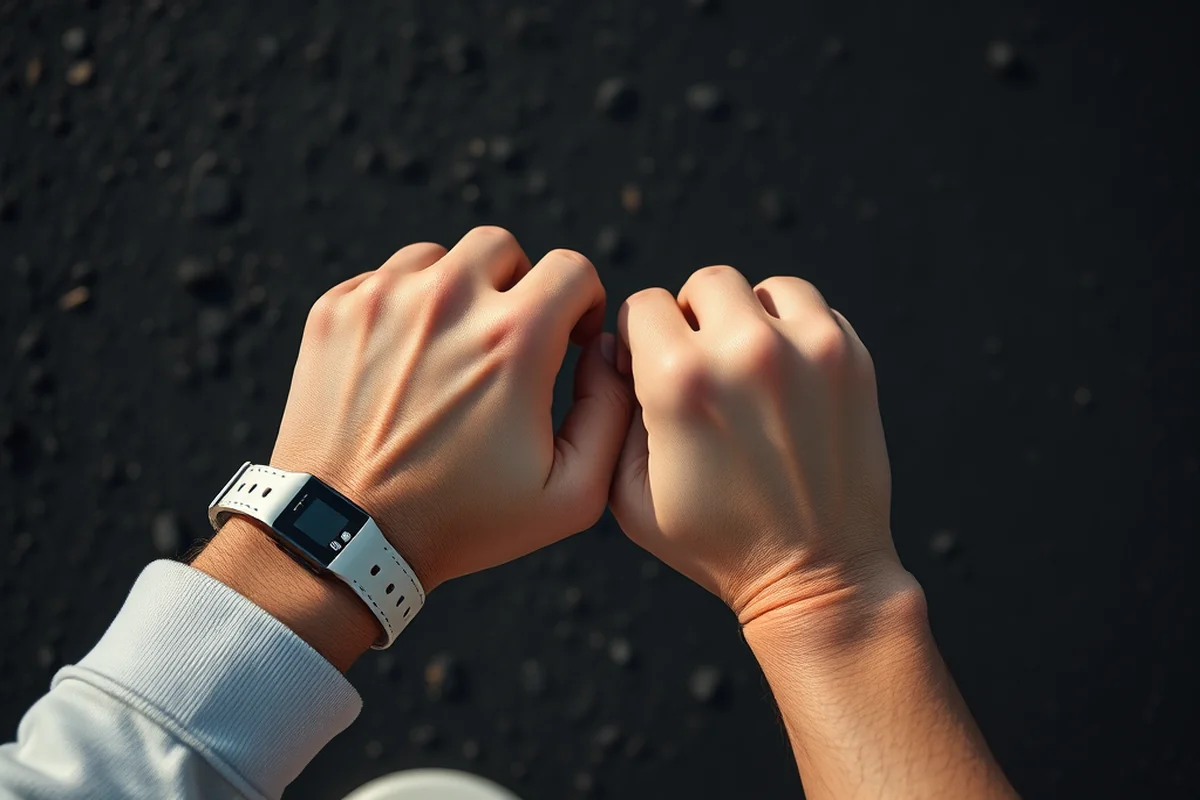
For anyone who has experienced wrist pain from weightlifting, yoga, or other physical activities, these bracelets can be a game-changer. I’ve used them to manage mild wrist pain from overuse and found that they provide enough support to prevent further strain.
The compression from the bracelet can help reduce swelling and provide stability to the wrist joint. This is especially useful for people with conditions like carpal tunnel syndrome or arthritis, where even minor movements can cause pain.
I’ve also noticed that wearing the bracelet during recovery from a wrist injury helps speed up the healing process. The support it provides allows me to move without putting too much strain on the injured area.
Related: Wrist friendly forearm exercises
How to Clean and Maintain Your Bracelets
Cleaning your bracelets is simple — just wipe them down with a damp cloth and mild soap. I’ve found that this works best for neoprene or spandex materials. Avoid soaking them in water, as this can cause the material to degrade over time.
I also make sure to store them in a cool, dry place when not in use. This helps prevent the material from becoming stiff or losing its elasticity. I keep mine in a small mesh pouch to keep them from getting tangled with other gear.
Over time, the material may lose some of its stretch, but with proper care, they can last for months or even years. I’ve had mine for over a year now, and they still feel just as good as the day I bought them.
Related: Wrist training home
The Best Materials for Small Wrist Friendly Bracelets
Neoprene is a popular choice because it’s flexible and provides good compression without being too restrictive. I’ve used neoprene bracelets for weightlifting and found that they stay in place even during the most intense workouts.
Spandex is another great option because it’s lightweight and stretches easily. I’ve used spandex bracelets for activities like yoga, where I need a lot of flexibility but still want some support.
Some bracelets are even made from a combination of materials, like neoprene with a spandex lining. These hybrid materials offer the best of both worlds — support and flexibility — and are great for people who do a variety of activities.
The right material can make all the difference in how comfortable and supportive your bracelet feels.
Related: Wrist training boxing
How to Choose the Right Size
Most manufacturers provide sizing charts, but if you’re unsure, it’s best to measure your wrist. Wrap a flexible measuring tape around your wrist just below the joint and note the measurement. This will give you a good idea of which size to choose.
I’ve found that some bracelets are more forgiving in terms of size, while others are very specific. If you’re in between sizes, it’s usually better to go with the larger size and adjust the straps accordingly.
Once you’ve chosen the right size, make sure the bracelet fits snugly but not too tight. If it feels uncomfortable or restricts your movement, it’s time to adjust or choose a different size.
🏋️ Beginner’s Choice
A simple, adjustable bracelet designed for new users who are just starting to incorporate wrist support into their training.
💰 Budget-Friendly
Affordable options that still offer the same level of support and comfort as more expensive brands.
⏱️ Fastest Setup
Bracelets with a quick-adjust feature that allow you to get set up in seconds, even during a busy workout session.
🔥 Advanced Performance
High-end bracelets made from premium materials that provide maximum support and durability for intense training sessions.
🧼 Maintenance Focus
Bracelets designed with easy-to-clean materials and a long-lasting construction that makes maintenance simple and effective.
| The mistake | Why it happens | The fix |
|---|---|---|
| Wearing the bracelet too tightly | This can restrict blood flow and cause discomfort, even pain, during workouts. | Adjust the straps so the bracelet is snug but not too tight. It should allow for full range of motion. |
| Wearing the bracelet on the wrong part of the wrist | Placing it too high or too low can reduce its effectiveness and cause pressure points. | Make sure the bracelet is placed just below the wrist joint for the best support and comfort. |
| Not adjusting the bracelet for different activities | Using the same tightness for all activities can lead to discomfort or reduced performance. | Tighten for heavy lifting and loosen for more flexible movements like yoga or stretching. |
| Neglecting to clean the bracelet regularly | Over time, sweat and dirt can accumulate, which can cause the material to degrade and become less effective. | Wipe the bracelet down with a damp cloth and mild soap after each use to keep it in good condition. |
Small Wrist Friendly Bracelets
Common Questions
Can small wrist friendly bracelets be used for all types of workouts?
How often should I replace my small wrist friendly bracelets?
Are small wrist friendly bracelets suitable for people with arthritis?
Do these bracelets interfere with the movement of the wrist?
References
- Tennis Bracelet Buying Guide: Diamonds & Gemstones | GIA 4Cs (4cs.gia.edu)
- Happy Rahki! - Duke ACE (ace.duke.edu)
- Appendix 13: Biography of Lee Harvey Oswald - National Archives (archives.gov)
- 50TH REUNION - Bennington College (bennington.edu)
Cite this guide
Wrist Friendly Resistance Training (2026). Small Wrist Friendly Bracelets. https://loadmend.com/small-wrist-friendly-bracelets/
Feel free to cite or share this guide.
Wrist-Friendly Resistance Tool Matcher
Ranks resistance equipment by wrist-friendliness.
Open it free →