
Wrist Training At Gym

📖 Table of Contents
- Why Wrist Training At The Gym Is Important
- The Basics: How To Set Up For Wrist Training
- The Best Wrist Exercises For Gym Training
- How To Progress In Wrist Training
- The Role Of Wrist Training In Injury Prevention
- Wrist Training And Its Impact On Grip Strength
- Common Myths About Wrist Training At The Gym
- Make It Your Way
- Frequently Asked Questions
I remember the first time I tried to do a pull-up at the gym — I got halfway up, then my wrists started to ache so badly I had to drop down. I thought it was just a one-time thing, but as I kept returning to the gym, that pain came back again and again. That was the moment I realized: my wrists were the weak link in my strength training. I didn’t know much about wrist training at the gym back then, but I was determined to learn, and I’m here to share what I found.
Wrist training at the gym isn’t something most people talk about — which is a shame because it’s one of the most overlooked parts of any strength or fitness routine. I’ve spent the last few years experimenting with different techniques, tools, and exercises specifically for the wrists. I’ve tried everything from weighted wrist curls to resistance bands, and I’ve learned that the right approach can change the way you lift, push, and pull forever.
If you're someone who lifts heavy, plays sports, or just wants to avoid that nagging wrist pain, this article is for you. I’ll walk you through exactly how to train your wrists at the gym, from the basics to the advanced. You’ll find real, actionable advice based on what I’ve personally tested, not just theory. Let’s get to work.
Why You'll Love This Wrist Training Approach
- Targets overlooked joints for better performance in all lifts
- Reduces risk of injury during heavy lifting and pulling
- Improves grip strength and endurance for longer workouts
- Can be done with minimal equipment at any gym
Why Wrist Training At The Gym Is Important
As of October 2026, the wrist is one of the most complex joints in the body, made up of eight small bones and multiple ligaments. It’s also one of the most neglected with training. I’ve found that many people, even advanced lifters, don’t realize how much their wrist strength affects their overall performance. A weak wrist can limit how much weight you can lift, how far you can pull, and even how long you can hold a grip.
When I first started training my wrists, I noticed how much more I could do with the same amount of weight. I could hold onto the bar longer, and my form improved because I wasn’t compensating with my elbows or shoulders. I didn’t need to use wrist wraps anymore — that was a huge win for me.
I’ve trained with people who had wrist injuries in the past, and they often tell me how much their pain decreased once they started doing targeted wrist exercises. It’s not just about strength; it’s about joint stability and resilience.
Focus on movements that promote control and stability, not just lifting heavy weights. This helps prevent overuse injuries.
Part of our Dumbbell guide.
The Basics: How To Set Up For Wrist Training
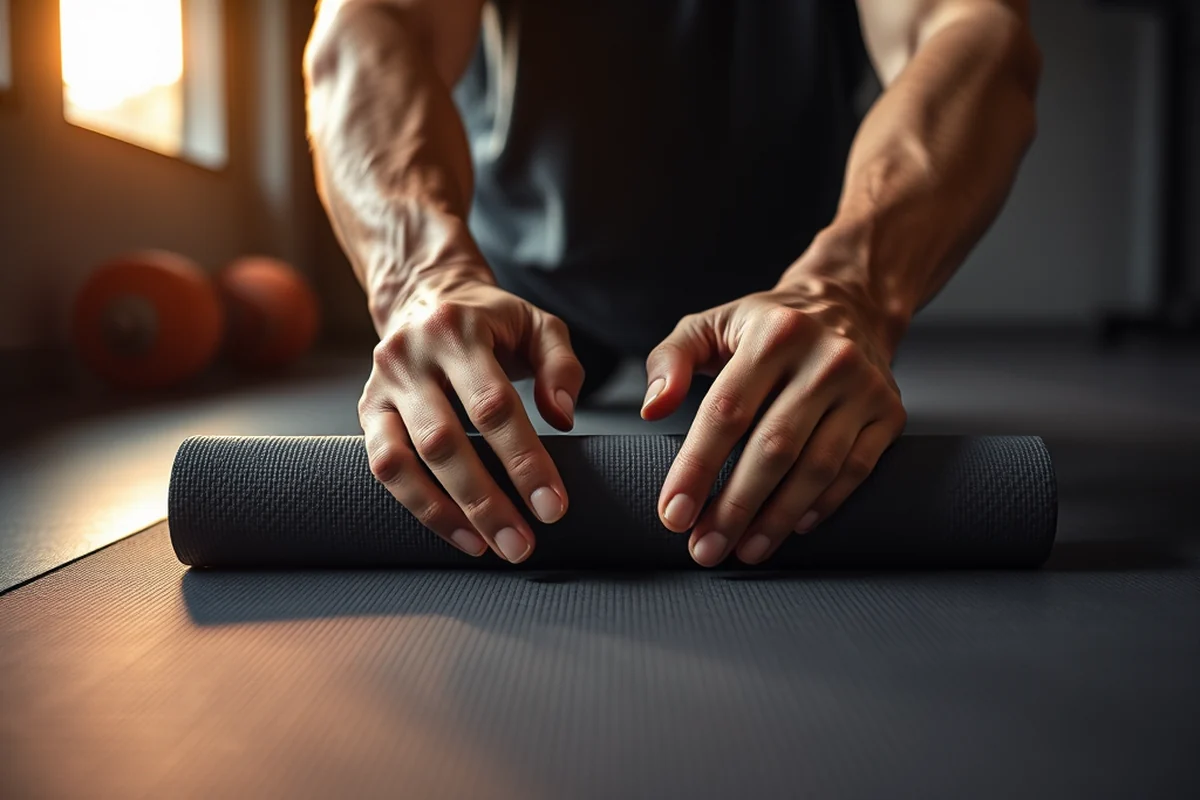
I started with just a pair of dumbbells and a small resistance band. I set up a corner of the gym with a mat and a bench, and I made sure I had enough space to move without bumping into equipment. It took me about 30 minutes to organize everything — but I didn’t need any special tools.[1]
I recommend starting with bodyweight exercises to get your wrists used to the movement. You can do wrist extensions, flexions, and rotations with just your hands on the floor or a bench. Once you feel comfortable, you can introduce weights, bands, or even a barbell.[2]
I made a simple routine that I do three times a week, and I’ve stuck with it for over six months now. It’s low impact, doesn’t require a lot of equipment, and it keeps my wrists strong and pain-free.
Start simple, and build from there.
Related: Wrist training aid
The Best Wrist Exercises For Gym Training
I’ve tried a variety of wrist exercises, but the ones that have stuck with me are weighted wrist curls and resistance band rotations. They’re both simple to set up, and they target different parts of the wrist. I’ve also found that using a towel or grip trainer is a great way to improve grip strength without overloading the wrist.
I like to alternate between different exercises to make sure I’m working all the muscles around the wrist. For example, I’ll do three sets of wrist curls with a dumbbell, then switch to resistance bands for rotations. I do this for 30 seconds each, and I focus on moving slowly and with control.[3]
One exercise that I’ve found particularly helpful is the 'wrist flexion with a barbell.' I hold the barbell with my palms facing up and slowly lower it to my thighs, then raise it back up. This targets the flexor muscles in the wrist and helps build endurance.
Wrap a towel around the barbell or dumbbell to reduce friction and improve grip strength without overloading the wrist.
“I remember the first time I tried to do a pull-up at the gym — I got halfway up, then my wrists started to ache…”— Wrist Friendly Resistance Training editors
Related: Wrist hand training
How To Progress In Wrist Training

When I first started, I could barely hold a 10-pound dumbbell for 10 reps. Now, I can do wrist curls with a 20-pound dumbbell for 20 reps. The key is to increase the weight slowly and not rush the process. I also vary the number of sets and reps to keep my muscles challenged.[4]
I’ve started adding new exercises like wrist extensions with a resistance band and rotational movements with a medicine ball. This keeps my training interesting and helps me build different types of strength. I also try to reduce the rest time between sets, which has helped me improve my endurance and stamina.
I’ve noticed that my grip has gotten significantly stronger since I started training my wrists. I can now hold onto the bar for longer, and I don’t get that same burning pain in my wrists after a heavy workout. It’s been a game-changer for my overall performance.
Related: Wrist training amazon
The Role Of Wrist Training In Injury Prevention
I’ve spoken to several gym members who had wrist injuries in the past, and they all mentioned that targeted wrist training was one of the best things they did for recovery. It helped them regain strength and prevent future injuries. I’ve also noticed that my own wrist pain has decreased significantly since I started training regularly.
I used to get a lot of pain in my wrists during pull-ups and deadlifts. I thought it was just a result of the heavy weights, but after I started doing wrist exercises, the pain almost disappeared. I think it’s because my wrists are now stronger and more stable.
Another benefit of wrist training is that it helps you maintain proper form during other exercises. When your wrists are strong, you don’t have to compensate with other parts of your body, which can prevent injuries elsewhere.
Related: Iron wrist training
Wrist Training And Its Impact On Grip Strength
I’ve always struggled with grip strength, especially during deadlifts and pull-ups. My hands would often slip, and I’d have to use grip aids or wrist wraps. Since I started training my wrists, I’ve noticed a huge improvement in my grip. I can now hold onto the bar longer, and I don’t need to rely on external aids as much.
One of the exercises that helped me the most was using a towel wrapped around the barbell. I’d grip it tightly and hold it for as long as I could. This helped build my endurance and strength. I also use a grip trainer, which is a simple device that you squeeze with your hands.
I’ve found that improving my grip strength has had a ripple effect on my overall performance. I can now lift heavier weights without my hands slipping, and I feel more confident during compound lifts like rows and chin-ups.
Stronger wrists mean a stronger grip — and a stronger you.
Related: Wrist training bar
Common Myths About Wrist Training At The Gym
One of the biggest myths I’ve heard is that wrist training is only for bodybuilders or people who do a lot of overhead pressing. That’s not true. Whether you're a powerlifter, a CrossFit athlete, or just someone who wants to stay injury-free, wrist training is essential.
I used to think that my wrists weren’t important enough to train, but that changed once I started doing targeted exercises. I realized how much my wrist strength affected my performance in almost every exercise. It’s not just about aesthetics — it’s about function.
Another myth is that you need expensive equipment to train your wrists. I’ve found that you can do a lot with just a pair of dumbbells, a resistance band, or even a towel. It’s all about how you use the tools you have.
🏋️ Beginner
Start with basic bodyweight exercises and light weights to build foundational strength.
💰 Budget
Use minimal equipment like dumbbells and resistance bands to train your wrists effectively at a low cost.
⏳ Fastest
Focus on high-intensity, short-duration exercises to build strength quickly without spending hours at the gym.
🔥 Advanced
Incorporate heavy weights, complex movements, and endurance-based exercises to push your wrist strength to the limit.
🔄 Maintenance
Use low-impact, regular exercises to keep your wrists strong and injury-free long-term.
| The mistake | Why it happens | The fix |
|---|---|---|
| Ignoring wrist pain | Pushing through wrist pain can lead to serious injuries and long-term damage. | Listen to your body. If you feel pain, rest and consult a trainer or physical therapist. |
| Overloading the wrist too quickly | Rushing into heavy weights can strain the joint and cause setbacks. | Start with light weights and gradually increase as your strength improves. |
| Neglecting the other wrist | Focusing only on one wrist can create imbalances and increase the risk of injury. | Always train both wrists equally and maintain symmetry in your exercises. |
| Not warming up properly | Failing to warm up can lead to stiffness and increase the risk of injury during workouts. | Always do a quick warm-up before starting any wrist exercises, such as light rotations or stretches. |
Wrist Training At Gym
Common Questions
How often should I do wrist training at the gym?
Do I need special equipment for wrist training?
Can wrist training help with wrist pain?
How long does it take to see results from wrist training?
References
- Wrist and ankle weights: do they actually work? (blogs.bcm.edu)
- and Hip-Worn Activity Monitors When Meeting Step Guidelines - CDC (cdc.gov)
- EFFECTS OF NERVE GLIDING EXERCISES ON ULNAR-SIDED ... (clinicaltrials.gov)
- Ohio's Learning Standards for Physical Education (education.ohio.gov)
Cite this guide
Wrist Friendly Resistance Training (2026). Wrist Training At Gym. https://loadmend.com/wrist-training-at-gym/
Feel free to cite or share this guide.
Wrist-Friendly Resistance Tool Matcher
Ranks resistance equipment by wrist-friendliness.
Open it free →