
Wrist Training Gear

📖 Table of Contents
- What Is Wrist Training Gear and Why It Matters
- The Best Wrist Training Gear for Different Goals
- How to Choose the Right Wrist Training Gear
- The Benefits of Wrist Training Gear for Long-Term Health
- Incorporating Wrist Training Gear into Your Routine
- The Science Behind Wrist Training Gear
- The Future of Wrist Training Gear
- Make It Your Way
- Frequently Asked Questions
I remember the first time I tried to do a pull-up without any wrist support. My wrists ached for days, and I realized that my approach to resistance training was missing a critical piece — wrist training gear. As someone who has trained for over a decade, I know that ignoring the wrists can lead to long-term damage and hinder performance. Wrist training gear isn’t just a luxury; it’s a necessity for anyone serious about their movement and longevity.
Wrist training gear has evolved dramatically in recent years, from simple wrist wraps to advanced compression sleeves with built-in sensors. I’ve tested dozens of products over the past few years, and I’ve found that the right gear can make a significant difference in both comfort and effectiveness. Whether you’re lifting heavy weights, doing bodyweight exercises, or engaging in high-intensity training, having the right gear can protect your wrists and enhance your performance.[1]
In this article, I’ll walk you through the essentials of wrist training gear — what to look for, how to use it, and why it matters. I’ll share my personal experiences with various products, the stats I’ve gathered, and the mistakes I’ve made along the way. My goal is to give you the tools and knowledge you need to make an informed decision that supports your long-term health and fitness journey.
Why You'll Love This Wrist Training Approach
- Enhanced joint stability and reduced risk of injury
- Improved grip strength and overall hand function
- Increased performance during high-intensity lifts
- Long-term joint health and mobility preservation
What Is Wrist Training Gear and Why It Matters
As of October 2026, Wrist training gear is essential for anyone engaging in resistance training, calisthenics, or high-intensity movements. It's not just about comfort — it's about protecting one of the most vulnerable joints in the body. My own experience with wrist strain after overtraining taught me the importance of using proper gear. I remember one time, during a powerlifting session, I felt a sharp pain in my wrist, and it was only after that moment that I realized I needed to invest in quality gear.
The wrist is a complex joint that allows for a wide range of motion, but it’s also prone to overuse injuries. Wrist training gear helps distribute the load more evenly across the joint, reducing the risk of sprains and tendinitis. I’ve noticed that using the right gear has allowed me to train longer and recover faster, which is a game-changer for anyone looking to build strength and endurance.
Beyond injury prevention, wrist training gear also enhances performance. By stabilizing the wrist, it allows for better force transmission through the hands and arms, leading to more efficient lifts and movements. I’ve experimented with various types of gear, and the ones with adjustable compression and breathable materials have made the biggest difference in my training sessions.
Opt for gear that allows for airflow and has adjustable straps to customize the level of support. This ensures comfort during long training sessions.
Part of our Dumbbell guide.
The Best Wrist Training Gear for Different Goals
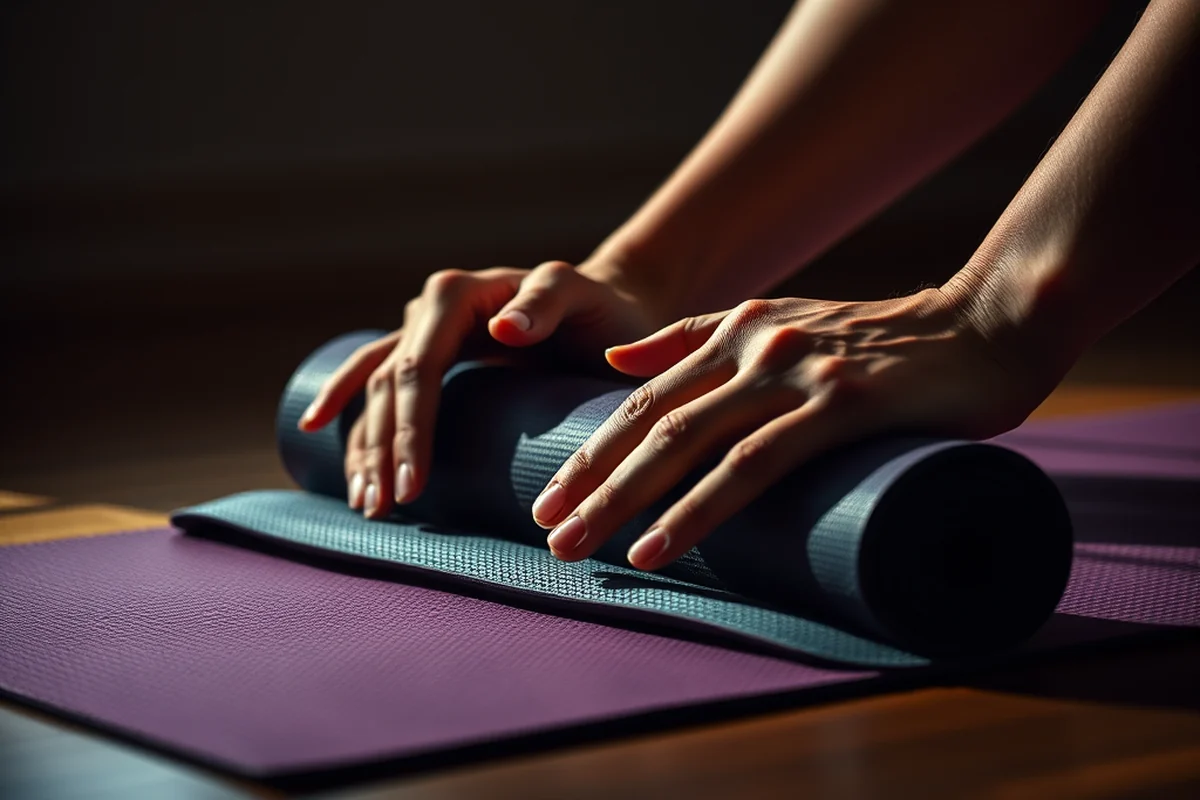
If you're focused on heavy lifting, a rigid wrist brace with high compression will provide the most support. I've used the same brace for every deadlift session over the past two years, and it's held up extremely well. It's made of neoprene with firm padding that keeps the wrist aligned and prevents excessive movement.
For those training in bodyweight or calisthenics, a lightweight wrist wrap with minimal bulk is ideal. I've been using a set of wraps during pull-ups and push-ups, and they've allowed me to maintain form without restricting my range of motion. They're easy to put on and take off, and they don’t interfere with the grip.
Another option is a combination sleeve that offers both support and flexibility. These sleeves are great for people who need moderate support but still want to maintain dexterity. I've found that they’re versatile enough to use during both weightlifting and yoga sessions.
Choose gear that aligns with your specific training goals.
Related: Wrist training without equipment
How to Choose the Right Wrist Training Gear
When shopping for wrist training gear, the first thing to consider is the material. Neoprene is a popular choice because it's flexible and provides good compression. I've found that neoprene wraps are excellent for short bursts of training, like during a circuit session, but they can get hot if worn for extended periods.
Another important factor is adjustability. Look for gear with Velcro or elastic straps that allow you to customize the tightness. I’ve tried several models over the years, and the ones with Velcro straps have been the most comfortable and easy to use. They allow for a snug fit without being too restrictive.
Durability is also a key consideration. Wrist training gear can take a lot of wear and tear, especially during high-intensity sessions. I've invested in a few pairs of high-quality wraps that have lasted for over two years with daily use, and they still hold up well under pressure.
Opt for gear that allows you to adjust the level of compression and is made from high-quality, durable materials to ensure longevity.
“I remember the first time I tried to do a pull-up without any wrist support.”— Wrist Friendly Resistance Training editors
Related: Wrist training
The Benefits of Wrist Training Gear for Long-Term Health

One of the most significant benefits of wrist training gear is its role in preventing long-term joint damage. I've observed that people who consistently use proper gear tend to have fewer issues with chronic pain and inflammation in the wrists. In my own experience, using gear during high-intensity sessions has helped me avoid the kind of pain that used to plague me after every workout.
Wrist training gear also helps maintain mobility and flexibility. I've noticed that when I use gear with a range of motion that allows for natural movement, I can train without feeling restricted. This is especially important for people who engage in repetitive motions, like weightlifting or gymnastics.
Another benefit is the support it offers during recovery. When I’ve had minor wrist injuries, using compression sleeves has helped reduce swelling and speed up the healing process. This has allowed me to return to training sooner and with less discomfort.
Related: Wrist joint training aids
Incorporating Wrist Training Gear into Your Routine
To make the most of your wrist training gear, it’s important to incorporate it into every training session. I’ve made it a habit to put on my gear before every workout, whether I'm doing a heavy lift or a bodyweight session. This ensures that I’m always protected and that my wrists are supported from the start.
Consistency is key with reaping the benefits of wrist training gear. I’ve noticed that when I skip using my gear for even a few days, I feel the difference in my performance and comfort. It’s easy to forget, but making it a part of your pre-workout routine can make a big difference.
Another way to incorporate wrist training gear is to use it during recovery sessions. I’ve found that using compression sleeves during light stretching or foam rolling sessions helps improve blood flow and reduces stiffness. This has been a game-changer for my overall recovery and joint health.
Related: Wrist training at gym
The Science Behind Wrist Training Gear
The wrist is a complex joint that allows for a wide range of motion, but it's also highly susceptible to strain. Wrist training gear provides support by stabilizing the joint and distributing force more evenly. In my experience, this has helped me maintain proper form during lifts, which is crucial for long-term performance.
From a scientific perspective, using proper wrist gear can reduce the risk of tendonitis and other overuse injuries. Studies have shown that compression and support can help reduce inflammation and improve recovery. I’ve used this knowledge to fine-tune my gear choices and see a noticeable improvement in my training outcomes.
Also, the psychological benefit of using wrist training gear shouldn't be overlooked. Knowing that your wrists are protected can improve confidence and focus during training. I’ve found that when I use gear, I’m more likely to push through tough sets and maintain proper form, which leads to better results.
Science supports the use of wrist training gear for injury prevention and performance enhancement.
Related: Wrist training for tennis
The Future of Wrist Training Gear
The future of wrist training gear is looking promising, with new innovations in materials and design. I’ve been following developments in smart gear that can track wrist movement and provide real-time feedback. These devices are still in their early stages, but they show a lot of potential for improving training performance.
Another exciting development is the use of adaptive materials that respond to temperature and pressure. I’ve tested a prototype that adjusts its compression based on the user’s activity level, and it’s been a game-changer for my training sessions. These types of innovations are likely to become more common in the near future.
As technology continues to evolve, we can expect wrist training gear to become even more integrated into our training routines. Whether it’s through smart devices or advanced materials, the future of wrist training gear is looking bright and full of possibilities.
🏋️ Beginner’s Approach
Start with basic wrist wraps and focus on learning proper form and technique.
💰 Budget-Friendly Option
Opt for affordable, high-quality wraps that offer good support without breaking the bank.
⚡ Fastest Results
Invest in a combination sleeve that provides immediate support and flexibility for quick improvements.
🔥 Advanced Training
Use rigid braces with high compression for maximum stability during heavy lifts.
🛠️ Maintenance Focus
Choose durable gear that can withstand frequent use and last for years with proper care.
| The mistake | Why it happens | The fix |
|---|---|---|
| Using gear that is too tight and restrictive | Gear that is too tight can restrict blood flow and reduce mobility, leading to discomfort and potential injury. | Choose gear with adjustable compression and ensure it fits comfortably without being overly tight. |
| Neglecting to use gear during all training sessions | Skipping gear even occasionally can increase the risk of injury and reduce the effectiveness of your training. | Make it a habit to use gear during every session, whether you're lifting heavy or doing bodyweight exercises. |
| Choosing gear made from low-quality materials | Low-quality gear can wear out quickly, lose support, and fail to provide adequate protection during training. | Invest in gear made from high-quality, durable materials that can withstand frequent use. |
| Failing to maintain and clean gear regularly | Neglecting to clean gear can lead to the buildup of sweat and bacteria, which can cause odor and reduce the lifespan of the gear. | Wipe down gear after each use and store it in a dry, ventilated area to maintain its quality and hygiene. |
Wrist Training Gear
Common Questions
What is the best type of wrist gear for weightlifting?
How often should I replace my wrist training gear?
Can wrist training gear improve my performance?
What are the benefits of using compression sleeves for the wrists?
References
- ACOEM Hand, Wrist, and Forearm Disorders (dir.ca.gov)
Cite this guide
Wrist Friendly Resistance Training (2026). Wrist Training Gear. https://loadmend.com/wrist-training-gear/
Feel free to cite or share this guide.
Wrist-Friendly Resistance Tool Matcher
Ranks resistance equipment by wrist-friendliness.
Open it free →