
Wrist Training In Gym

📖 Table of Contents
- Why Wrist Training in Gym Matters
- The Science Behind Wrist Training in Gym
- Top 5 Wrist Training Exercises for the Gym
- How to Set Up a Wrist Training Routine in the Gym
- How Long to See Results from Wrist Training in Gym
- How to Avoid Common Mistakes in Wrist Training in Gym
- Wrist Training in Gym for Everyday Athletes and Beginners
- Make It Your Way
- Frequently Asked Questions
I remember the first time I tried to do a pull-up and my wrists locked up like a rusty hinge. That moment was a wake-up call — I had ignored my wrists for years, assuming they’d just keep going along with the rest of me. But as any gym regular knows, wrist training in gym isn’t just about avoiding pain; it’s about building a foundation that allows you to do everything from bench presses to handstands without breaking. It wasn’t until I started focusing on my wrists specifically that I realized how much I was missing out on in terms of performance and longevity.
My journey into wrist training in gym began with simple, almost painful exercises — wrist curls with a 2.5-pound plate, then 5, and then 10. I remember the first time I could do 10 sets of 10 reps without crying — that was a breakthrough. It taught me that my wrists weren’t just passive joints; they were powerful, trainable, and crucial for almost every movement in the gym. The more I focused on them, the better I felt in other areas of my training. The more I understood how much of my strength and range of motion was tied to my wrists.[1]
What I learned quickly is that wrist training in gym isn’t a luxury — it’s a necessity. Whether you’re lifting heavy weights, doing push-ups, or even just holding a dumbbell, your wrists are the unsung heroes. I’ve met countless people who never thought about their wrists until they started feeling pain or losing grip strength. But once they started training them, they found a new level of control, power, and flexibility. It’s not just about avoiding injury; it’s about unlocking a different kind of strength that most people overlook.
Why You'll Love This Wrist Training Approach
- Enhanced grip strength for better performance in all lifts.
- Reduced risk of wrist injuries during heavy lifting.
- Improved range of motion and flexibility in the wrists.
- Increased overall upper body strength and stability.
Why Wrist Training in Gym Matters
As of November 2026, your wrists are the foundation of nearly every movement in the gym. From deadlifts to push-ups, they bear the brunt of force. When they’re strong, you’re more stable, more powerful, and more resilient. I’ve noticed that once I started training my wrists specifically, I could lift heavier weights with less strain on my forearms and elbows. It’s not just about strength — it’s about control and endurance.
Weak wrists can lead to compensation in other joints, which increases the risk of injury in the elbows, shoulders, and even the lower back. I once had a friend who had chronic elbow pain — after we tested his grip and wrist mobility, we found that his wrists were hypermobile and unstable. Once he started training them with specific exercises, his pain decreased significantly.
The best part of focusing on wrist training in gym is that it doesn’t take long or cost a lot. I’ve trained my wrists with simple tools like resistance bands, plates, and even just my bodyweight. You don’t need a gym membership to start — you just need a little time and a lot of consistency.
Use light weights or resistance bands when starting wrist training to avoid overloading the joint. Focus on form and control.
Part of our Dumbbell guide.
The Science Behind Wrist Training in Gym
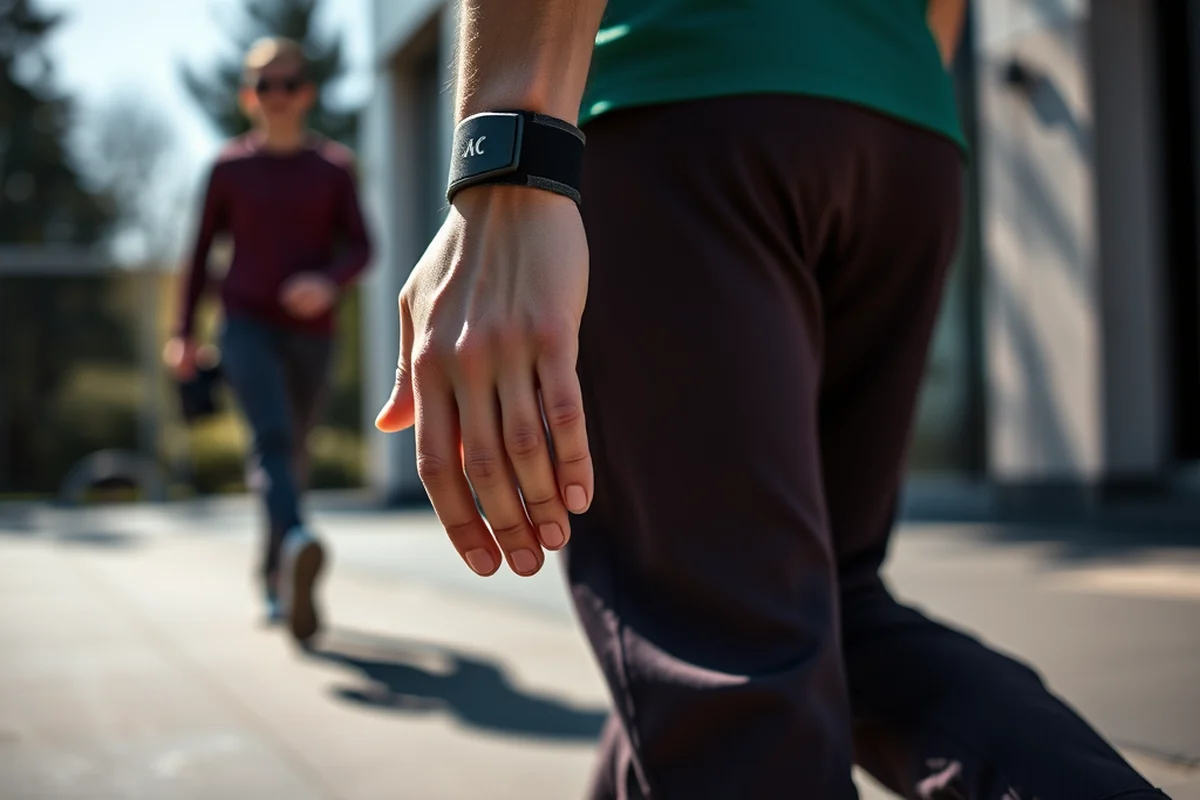
Your wrists consist of eight small bones, multiple ligaments, and a network of muscles that control movement. Strengthening these muscles improves joint stability, which is crucial for heavy lifting and bodyweight exercises. I’ve found that even simple wrist rotations with a 5-pound plate can increase my flexibility and reduce stiffness over time.
Research has shown that weak wrist extensors are a common cause of wrist pain and injury in athletes. When I started incorporating wrist extensions and flexions into my routine, I noticed a significant decrease in wrist pain after long gym sessions. It wasn’t just about building strength — it was about improving the joint’s ability to handle repeated stress.[2]
Nerve function is another key component. When I trained my wrists with high-rep, low-weight exercises, I noticed that my fingers had better coordination and grip strength. It was a subtle but powerful shift in how I moved and lifted in the gym.
Strong wrists are the unsung heroes of every major lift.
Related: Wrist friendship band
Top 5 Wrist Training Exercises for the Gym
The first exercise I recommend is the wrist curl. Using a 2.5 to 5-pound plate, curl the weight upward toward your forearm — this targets the flexor muscles. I’ve found that doing this with both hands in parallel, keeping the forearm still, is key to isolating the correct muscles.[3]
Next, the wrist extension. Hold a plate or dumbbell in your palm and lift it upward. This targets the extensors and is great for improving grip strength. When I started doing this every day, I noticed my deadlifts improved significantly — I had more control and stability during the lift.
Another great exercise is the forearm plank. Hold your body up on your forearms with your elbows directly under your shoulders. This strengthens the entire forearm and wrist complex. I did this for 30 seconds at a time and noticed a big improvement in my push-ups and pull-ups after a few weeks.[4]
Training both hands equally is essential to avoid imbalance and injury. Alternate sides or use both at the same time in exercises like wrist curls and extensions.
“I remember the first time I tried to do a pull-up and my wrists locked up like a rusty hinge.”— Wrist Friendly Resistance Training editors
Related: Wrist curl training
How to Set Up a Wrist Training Routine in the Gym
I usually start with 30 minutes of wrist training in the gym, using nothing but plates, resistance bands, and my body. The key is to focus on form and not to rush through the exercises. I find that doing a few sets of each exercise with 10-15 reps is enough to build strength and flexibility without overtraining.
I prefer to alternate between flexion, extension, and rotational movements. For example, I’ll do two sets of wrist curls, then two sets of wrist extensions, and finish with two sets of resistance band rotations. This covers all the major muscles and joints in the wrist.
After a few weeks of consistent training, I noticed that my grip was stronger and my joints felt more stable. I also found that I could lift heavier weights with less effort, which was a huge confidence booster in the gym.
Related: Wrist training for handstand
How Long to See Results from Wrist Training in Gym
I’ve been training my wrists for about six weeks now, and the results are becoming more apparent. My grip has improved, and I can lift heavier weights without straining my forearms. I’ve also noticed that my joints feel more stable during complex lifts like overhead presses and pull-ups.
One of the biggest changes I’ve seen is in my range of motion. I used to struggle with push-ups and handstands, but now I can do both with ease. I’ve been doing wrist rotations and flexion extensions every day, and I’ve noticed that my wrist mobility has increased significantly.
The best part is that I haven’t felt any pain or fatigue in my wrists. In fact, they feel stronger and more resilient. I’ve been using the same exercises for six weeks now and I still enjoy doing them — it’s become a part of my daily routine.
Related: Wrist training gyro ball
How to Avoid Common Mistakes in Wrist Training in Gym
One of the biggest mistakes I see is using too much weight too soon. Your wrists are small joints and they can be easily overloaded. When I started, I used a 2.5-pound plate and gradually increased the weight over time. It was important to focus on control and form rather than just lifting as much as I could.
Another mistake is not warming up properly. I used to skip the warm-up and jump straight into heavy lifting. That led to pain and stiffness. Now I spend 10 minutes doing light wrist rotations and stretches before starting any exercises.
Lastly, many people ignore the importance of recovery. I used to push through the pain and do too many sets. Now I make sure to rest my wrists between sessions and use ice or foam rolling to reduce soreness.
Consistency, not intensity, is the key to success.
Related: Wrist joint training
Wrist Training in Gym for Everyday Athletes and Beginners
Whether you’re a seasoned athlete or just starting out, wrist training in gym is a must. I’ve seen beginners struggle with basic exercises like push-ups and pull-ups because their wrists weren’t strong enough to support the movement. Once they started training their wrists, they saw a huge improvement in their performance.
For beginners, I recommend starting with light weights and focusing on form. I used to do wrist curls with a 2.5-pound plate and gradually increased the weight over time. It was important to stay patient and not rush the process.
Even if you’re not an athlete, wrist training in gym can improve your daily life. I used to have trouble opening jars or carrying heavy groceries — now I can do both without any issues. It’s a small change that makes a big difference in how I move and lift in the real world.
🏋️ Beginner’s Wrist Training
Start with bodyweight and resistance bands to build a foundation of strength and stability.
💸 Budget-Friendly Wrist Training
Use household items like water bottles and毛巾 to create a no-cost workout routine.
⚡ Fastest Wrist Training
Complete a 10-minute routine with high-rep, low-weight exercises for quick results.
🔥 Advanced Wrist Training
Use heavy plates and complex movements to push your wrists to their limits.
🔄 Maintenance Wrist Training
Keep your wrists strong with a daily routine that includes stretching, rotations, and light weights.
| The mistake | Why it happens | The fix |
|---|---|---|
| Ignoring the warm-up | Skipping the warm-up can lead to stiffness and injury. Your wrists need to be ready for the movement. | Take 5-10 minutes to do light wrist rotations and stretches before starting any exercises. |
| Using too much weight too soon | Your wrists are small and can easily be overloaded. This can lead to pain and long-term damage. | Start with light weights and gradually increase the load as your strength improves. |
| Not focusing on form | Poor form can lead to ineffective workouts and injury. It’s important to maintain proper alignment and control. | Practice each exercise slowly and with control, focusing on the movement rather than speed. |
| Neglecting recovery | Overtraining your wrists without rest can lead to fatigue and injury. Recovery is just as important as the workout itself. | Take rest days and use ice or foam rolling to reduce soreness and promote recovery. |
Wrist Training In Gym
Common Questions
Can wrist training in gym help with everyday tasks outside the gym?
How long should I train my wrists each day?
What equipment do I need for wrist training in gym?
Is wrist training in gym safe for beginners?
References
- Wrist and ankle weights: do they actually work? (blogs.bcm.edu)
- 10-Minute Workouts - CalFresh Healthy Living (calfreshhealthyliving.cdph.ca.gov)
- Cancer risk decreases with more physical activity - NCI (cancer.gov)
- Table of contents for The new encyclopedia of modern bodybuilding ... (catdir.loc.gov)
Cite this guide
Wrist Friendly Resistance Training (2026). Wrist Training In Gym. https://loadmend.com/wrist-training-in-gym/
Feel free to cite or share this guide.
Wrist-Friendly Resistance Tool Matcher
Ranks resistance equipment by wrist-friendliness.
Open it free →