
Resistance Training For Beginners At Home

📖 Table of Contents
- Understanding the Basics of Home-Based Resistance Training
- How to Set Up Your Home Workout Space
- Choosing the Right Exercises for Beginners
- The Importance of Rest and Recovery
- Tracking Progress and Staying Motivated
- Nutrition and Hydration: Fueling Your Body for Success
- Getting Comfortable with Your Own Body
- Make It Your Way
- Frequently Asked Questions
Last winter, I found myself stuck in a cycle of fatigue and frustration, convinced that going to the gym was the only way to build strength. I was wrong. One evening, I decided to try a few basic bodyweight exercises in my living room, and within weeks, I noticed a shift—not just in my muscles, but in my confidence. Resistance training for beginners at home isn’t about fancy equipment or hours at the gym; it’s about using your own bodyweight and the right techniques to create real, lasting change.
I didn’t start with any grand plan or expensive gear. I had a yoga mat, a towel, and the determination to try. What followed was a journey of learning how to use my own body as the weight, and how small, consistent efforts could add up to big results. It was messy at first, and I made plenty of mistakes. But through trial and error, I discovered that resistance training at home is not only effective but also deeply personal and adaptable.
Resistance training for beginners at home isn’t just a trend—it’s a lifestyle. It’s about creating a foundation of strength that you can build on, no matter where you are. Whether you're on a budget, short on time, or just starting out, the right approach can make all the difference. And the best part? You don’t need a gym membership to begin.
Why You'll Love This Resistance Training Approach
- No need for expensive equipment or gym memberships.
- Simple, effective routines that fit into any schedule.
- Builds strength and endurance while improving posture and flexibility.
- Empowers you with the confidence to take control of your health.
Understanding the Basics of Home-Based Resistance Training
As of November 2026, Home-based resistance training is all about leveraging your own bodyweight and a few simple tools to build strength. You don’t need a gym to do push-ups, squats, or planks. What matters is how you approach each movement and the consistency with which you apply it. I started with nothing more than a mat and a couple of water bottles as makeshift weights. It wasn’t perfect, but it worked.
The first step is to identify the major muscle groups you want to target: chest, back, legs, shoulders, core, and arms. Once you know which muscles you want to work, you can choose exercises that align with those goals. I found that combining push-ups with squats and planks gave me a balanced workout that didn’t take long but had real results.
It’s also important to focus on form. I made the mistake of rushing through exercises early on, thinking more reps would be better. But poor form led to soreness and discomfort. Learning to move with control and precision is key. You’ll find that your body will thank you for it.
Begin with bodyweight exercises and slowly increase difficulty. Use household items like water bottles as weights when ready. Focus on quality over quantity for the best results.
Part of our Resistance training vs circuit training resistance bands guide.
How to Set Up Your Home Workout Space

Even a small corner of your living room or bedroom can be transformed into a home gym. I used a spare yoga mat and a few blankets to create a soft landing area. The key is to ensure you have enough space to move safely and comfortably. My setup took about 30 minutes to arrange and cost under $20, which was well worth the investment.[1]
When setting up your space, consider the lighting, air quality, and noise level. I found that training near a window in the morning gave me more energy and focus. It’s also important to keep the area clear of obstacles that could interfere with your movements. A cluttered space can lead to distractions and even injuries.
Having a mirror nearby helped me monitor my form, and I added a small towel rack to keep my gear organized. It might seem trivial, but these small touches made my home workouts feel more like a real training session.
Your home can be your most powerful training ground.
Related: What is resistance band lat pulldown
Choosing the Right Exercises for Beginners
As a beginner, you want to focus on compound movements that work multiple muscle groups at once. I started with push-ups, squats, and planks because they’re effective and don’t require equipment. These exercises not only build strength but also improve balance and coordination.
It’s also important to vary your routine to prevent plateaus and keep your muscles challenged. I rotated between bodyweight exercises and added light resistance using household items like water bottles and books. This helped me avoid boredom and maintain progress.
I learned that listening to my body was just as important as following a plan. If a movement felt uncomfortable, I adjusted it or took a break. Over time, I noticed that my muscles became stronger and more defined, and my endurance improved.
Fill water bottles or use books as makeshift weights to add resistance. This is a budget-friendly way to challenge your muscles without buying equipment.
“Last winter, I found myself stuck in a cycle of fatigue and frustration, convinced that going to the gym was the only way to build…”— Wrist Friendly Resistance Training editors
Related: Is pilates a resistance training
The Importance of Rest and Recovery
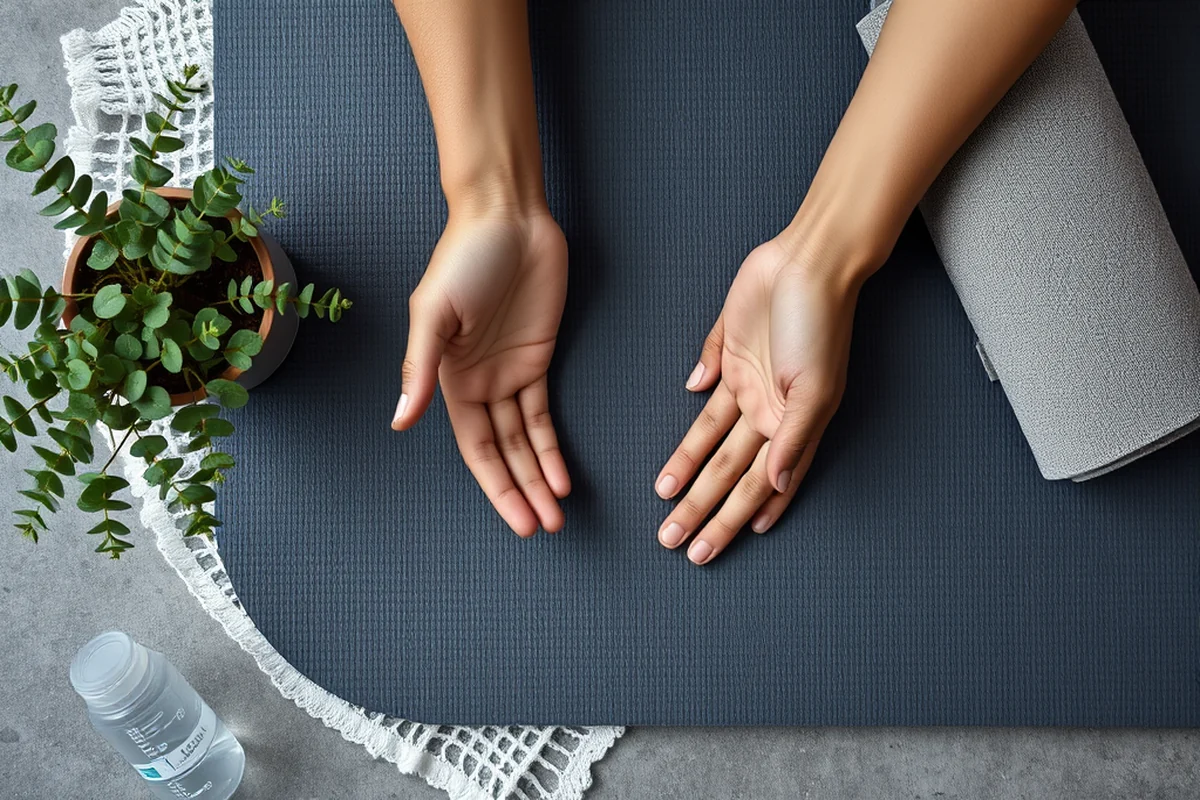
Many beginners overlook the importance of rest, thinking that more training is always better. But overtraining can lead to burnout, injury, and frustration. I made the mistake of working out every day without giving my muscles time to recover, and it backfired. My body was exhausted, and my progress stalled.
I learned that rest days are essential for muscle repair and growth. I began alternating between training days and rest days, and I noticed a significant difference in my energy levels and recovery speed. Giving your body time to heal is a crucial part of the process.
I also started incorporating stretching and mobility work into my routine. This helped prevent stiffness and made my workouts more effective. Recovery is not just about taking a break—it’s about nourishing your body and mind.
Related: How to exercise with resistance bands
Tracking Progress and Staying Motivated
As a beginner, it can be difficult to see progress, especially when working out at home. I started by taking photos every two weeks to track changes in my body composition and posture. It was a simple way to see improvements that I hadn’t noticed before.
I also kept a workout journal where I recorded the number of reps, sets, and how I felt during each session. This helped me identify patterns and areas where I needed to improve. Over time, I noticed that my strength and endurance had increased, and I felt more confident in my abilities.
Staying motivated is about celebrating small victories and staying consistent. I set small, achievable goals for myself and rewarded myself when I met them. Whether it was a new workout routine or a fitness milestone, these small wins kept me going.
Related: Theraband resistance bands
Nutrition and Hydration: Fueling Your Body for Success
While this article is not about nutrition, I learned that what I eat has a direct impact on my training results. I started focusing on whole foods, lean proteins, and plenty of vegetables. This helped me recover faster and feel more energized during my workouts.
I also made sure to stay hydrated throughout the day, especially before and after my workouts. I found that drinking water before a session helped me feel more alert and focused. Dehydration can lead to fatigue and decreased performance, so it’s important to stay on top of it.
I’ve also learned that listening to my body’s hunger and fullness cues is essential. Eating regularly and avoiding processed foods has made a noticeable difference in how I feel during and after my workouts.
What you fuel your body with matters as much as the workouts themselves.
Related: Resistance band exercises for seniors
Getting Comfortable with Your Own Body
Resistance training for beginners is not just about building strength—it’s also about getting comfortable with your own body. I used to be self-conscious about how I looked during my workouts, but over time, I realized that strength is about more than appearance. It’s about feeling confident and capable.
I also learned that progress is not linear. Some days, I felt stronger, and others, I struggled. But I kept going, knowing that consistency was more important than perfection. I found that being kind to myself and celebrating small wins made a huge difference in my motivation.
Getting comfortable with your own body means embracing the journey, not just the destination. It’s about showing up, even when it’s hard, and trusting that your efforts will pay off over time.
🧘 Beginner-Friendly Approach
Start with bodyweight exercises and focus on mastering form before increasing intensity.
💰 Budget-Friendly Approach
Use household items as weights and keep your home workout space simple and cost-effective.
🚀 Fastest Results Approach
Combine high-intensity intervals with strength training to see results in less time.
🔥 Advanced Approach
Incorporate heavier weights and complex movements for maximum strength and muscle growth.
🛡️ Maintenance Approach
Keep your strength and mobility by doing regular, low-intensity workouts throughout the week.
| The mistake | Why it happens | The fix |
|---|---|---|
| Skipping rest days | Overtraining can lead to burnout, injury, and slower progress. Your muscles need time to recover and grow. | Schedule at least one or two rest days per week and listen to your body when it needs a break. |
| Poor form | Incorrect technique can lead to strain, discomfort, and even long-term injuries. | Focus on mastering the movement before increasing intensity. Use a mirror or video to check your form. |
| Not tracking progress | Without tracking, it’s easy to lose motivation or not see improvements over time. | Keep a workout journal or take photos to monitor your progress and stay motivated. |
Resistance Training For Beginners At Home
Common Questions
Do I need any equipment to start resistance training at home?
How long should each workout session be?
Can I do resistance training at home if I have no prior experience?
How often should I train to see results?
References
- Progressive resistance strength training for improving physical ... (pmc.ncbi.nlm.nih.gov)
Cite this guide
Wrist Friendly Resistance Training (2026). Resistance Training For Beginners At Home. https://loadmend.com/resistance-training-for-beginners-at-home/
Feel free to cite or share this guide.
Wrist-Friendly Resistance Tool Matcher
Ranks resistance equipment by wrist-friendliness.
Open it free →