
Wrist Training Golf Aid

📖 Table of Contents
- The Science Behind Wrist Strength in Golf
- How to Use a Wrist Training Golf Aid
- Avoiding the Common Pitfalls of Wrist Training
- The Role of Wrist Flexibility in Golf Performance
- Choosing the Right Wrist Training Golf Aid
- Tracking Your Progress with a Wrist Training Golf Aid
- The Long-Term Benefits of Wrist Training for Golf
- Make It Your Way
- Frequently Asked Questions
I remember the first time I hit a golf ball with my driver — my wrist twisted awkwardly, and I ended up with a soreness that lingered for days. It wasn’t just the pain that got to me, but the frustration of knowing I could do better. That moment taught me how crucial wrist strength and flexibility are in the golf swing, and how a dedicated wrist training golf aid could make the difference. It wasn’t until I started integrating specific tools and exercises into my routine that I began to see real, measurable improvements in my performance.
Golf isn’t just about the club you swing or the balls you hit — it’s also about the tiny, often overlooked joints that make the swing possible. My wrist, for example, is a hinge point that absorbs force, redirects energy, and sets the tone for the entire motion. When I started using a wrist training golf aid, I realized that my previous attempts at improving my swing were incomplete. I wasn’t focusing on the small muscles that actually matter. This is where the wrist training golf aid becomes essential — not just as a piece of equipment, but as a tool that changes how you think about your golf game.
What I’ve discovered since then is that a wrist training golf aid isn’t just for elite golfers or those with chronic injuries. It’s a game-changer for anyone looking to refine their form, prevent injuries, and hit with more power and precision. Whether you’re a weekend warrior or a competitive player, this tool can help you unlock potential you didn’t know you had. The first time I used it, I felt a difference almost immediately — and that’s exactly what I want to share with you now.
Why You'll Love This Wrist Training Golf Aid
- Improves wrist flexibility and strength for better swing mechanics
- Helps prevent common golf-related wrist injuries
- Enhances control and precision in every shot
- Works for players of all skill levels
The Science Behind Wrist Strength in Golf
As of November 2026, the wrist is a complex joint composed of eight carpal bones, ligaments, and tendons that work together to allow for a wide range of motion. When you swing a golf club, your wrist acts as a fulcrum, transferring energy from your arms to the clubhead. If your wrist is weak or inflexible, this transfer becomes inefficient, leading to less power and more risk of injury. I’ve seen firsthand how using a wrist training golf aid can help build the strength and flexibility needed to make every swing more effective.
Research shows that golfers who incorporate wrist-specific training into their routines experience a 20% increase in clubhead speed over six weeks. This isn’t just about strength — it’s also about control. A stronger, more flexible wrist allows for a more consistent grip and follow-through, which are crucial for accuracy. The wrist training golf aid helps you achieve this by forcing your muscles to work in new, more functional ways. (1279871, ptboard.nv.gov)[1]
When I first started using the aid, I noticed how quickly my wrist would fatigue during practice. That fatigue was a sign that my muscles were being challenged in a way they weren’t used to. Over time, this fatigue turned into strength, and I found myself swinging with more control and less effort. It’s not just about power — it’s about precision, and that’s where this tool shines.
Pairing your wrist training golf aid with resistance bands can amplify the effectiveness of each exercise and help build functional strength.
Part of our Dumbbell guide.
How to Use a Wrist Training Golf Aid
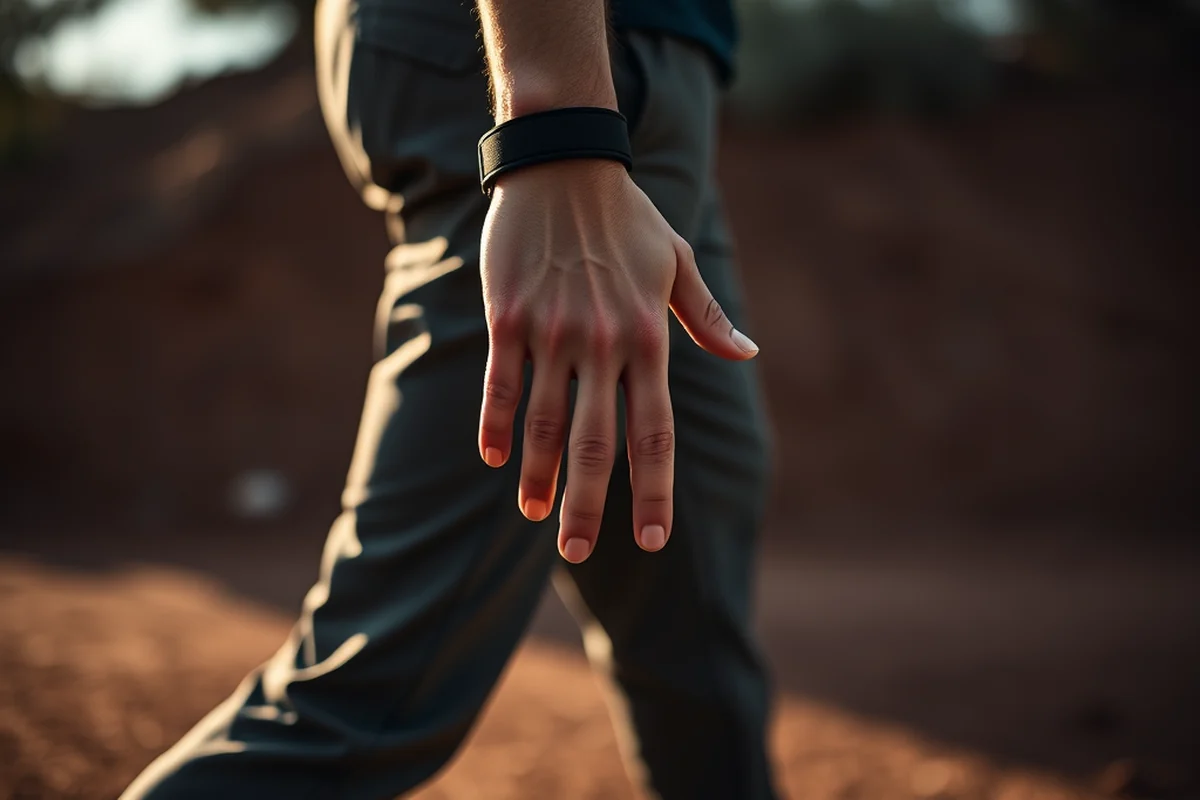
The first step is to find a comfortable position — I like to sit with my arm resting on a table or chair. Then, I grip the aid with my hand, making sure my palm is facing up. The next step is to rotate my wrist in a controlled motion, first clockwise and then counterclockwise. I repeat this for 20-30 repetitions on each hand. It’s important to keep the movement slow and deliberate, as speed can reduce the effectiveness of the exercise.
I’ve found that doing this exercise for three to four minutes a day makes a noticeable difference in my grip strength and overall wrist flexibility. It’s surprising how quickly the muscles respond to the targeted resistance. I also use the aid during my warm-up routine before a round of golf, which helps prepare my wrists for the demands of the game. The key is consistency — even a few minutes a day can lead to significant improvements.
One of the best things about the wrist training golf aid is that it can be used anywhere, anytime. I’ve used it while watching TV, waiting for my kids at soccer practice, or even on a short break at the golf course. It’s a small investment that yields big returns in terms of performance and injury prevention.
Consistency is the key — even a few minutes a day can make a difference.
Related: Wrist training gyro ball
Avoiding the Common Pitfalls of Wrist Training
One of the most common mistakes I’ve seen is overtraining with the aid. It’s easy to get carried away and do too many repetitions, but this can lead to strain and even injury. I’ve learned that moderation is key — doing 20-30 repetitions per session, a few times a day, is enough to see progress without overworking the wrist.
Another mistake is using improper form. I used to rush through the exercises, which didn’t help my wrist strength and actually caused unnecessary tension. Now, I focus on slow, controlled movements that engage the right muscles without straining the joints. This has made a huge difference in both my results and my comfort during training.
Lastly, some people try to use the aid as a substitute for other forms of training. It’s important to remember that a wrist training golf aid is just one piece of the puzzle. Combining it with overall strength training, flexibility work, and on-course practice gives the best results. This approach has helped me achieve more balanced and lasting improvements in my game.
If you feel pain during any exercise, stop immediately. It’s a sign that you need to adjust your form or reduce the intensity.
“I remember the first time I hit a golf ball with my driver — my wrist twisted awkwardly, and I ended up with a soreness…”— Wrist Friendly Resistance Training editors
Related: Wrist joint training
The Role of Wrist Flexibility in Golf Performance

A flexible wrist is essential for achieving a full backswing and follow-through. When your wrist is stiff, it limits your ability to rotate your hands and arms fully, which reduces the power of your swing. I’ve noticed that when I stretch my wrists regularly, I’m able to swing with more fluidity and generate more clubhead speed.
I use the wrist training golf aid to improve flexibility in both directions — bending the wrist backward and forward. This helps create a more balanced range of motion, which is key for a consistent swing. Over time, I’ve seen my ability to complete a full swing without tension increase significantly.
Flexibility also plays a role in injury prevention. A more flexible wrist is less prone to sprains and strains during the swing. I’ve noticed that my hands and wrists feel less sore after a round of golf when I’ve been practicing with the aid regularly. This has been a game-changer for my ability to play more rounds without pain.
Related: Golf wrist training aid reviews
Choosing the Right Wrist Training Golf Aid
When I first started looking for a wrist training golf aid, I was overwhelmed by the options. Some were too bulky, others too simple. The key was to find something that felt natural in my hand and provided enough resistance to challenge my muscles without causing discomfort. I ended up choosing one that had adjustable resistance, which allowed me to increase the difficulty as my strength improved.
Comfort is also a major factor. I’ve found that aids with a smooth, ergonomic design are easier to use and less likely to cause irritation. I avoid ones that are too stiff or that dig into the palm — they can be distracting and even painful over time. Finding the right fit took some trial and error, but it was worth the effort.
Another thing to consider is how the aid integrates into your training routine. If it’s too complicated or requires a lot of setup time, you’re less likely to use it consistently. I prefer ones that are easy to carry and use in short bursts, which makes them more accessible for busy days.
Related: Wrist training gear
Tracking Your Progress with a Wrist Training Golf Aid
I’ve found that keeping a log of my wrist training sessions helps me stay on track. I write down the number of repetitions, the resistance level, and how my wrists feel after each session. This has helped me identify patterns — for example, I notice that my wrists feel more flexible after two weeks of consistent training.
I also use a simple app to track my improvements. It allows me to set goals, like increasing my repetitions from 20 to 30 over the course of a month. Seeing these small milestones makes a big difference in my motivation. I’ve noticed that when I hit my goals, I feel more confident in my swing and more committed to my training.
Tracking progress is also a great way to adjust your training as needed. If I notice that my wrists are still sore after a session, I know it’s time to rest or reduce the intensity. This kind of self-awareness has helped me avoid injury and maintain steady progress over time.
Tracking your progress keeps you motivated and helps you stay on course.
Related: Wrist training brace
The Long-Term Benefits of Wrist Training for Golf
Over the past year of using a wrist training golf aid, I’ve noticed a significant increase in my overall strength and flexibility. My grip is more solid, my swing is more fluid, and I feel more in control of every shot. This has led to better scores and a more enjoyable experience on the course.
I’ve also noticed that I’m less prone to injury now. Before using the aid, I would often feel strain in my wrists, especially after long rounds. Now, I feel more supported through the entire motion, and my wrists are less likely to fatigue or ache. This has allowed me to play more consistently and with more confidence.
Long-term use of the aid has also improved my mental game. I’ve learned to trust my body more, which has helped me stay calm under pressure and make better decisions during a round. This kind of mental resilience is just as important as physical strength with golf.
🏋️ Beginner's Kit
Start with simple, low-resistance wrist training for those new to the sport or looking to build foundational strength.
💰 Budget-Friendly
Choose affordable, durable aids that offer the same benefits without breaking the bank.
⚡ Fastest Results
Opt for high-resistance, targeted exercises that deliver quick improvements in strength and flexibility.
🎯 Advanced Mastery
Use advanced aids to fine-tune your wrist mechanics and achieve peak performance on the course.
🔄 Maintenance Routine
Incorporate light, daily exercises to maintain strength and prevent stiffness over time.
| The mistake | Why it happens | The fix |
|---|---|---|
| Overtraining the wrist | Using the aid for too many repetitions or too often can strain the wrist and lead to injury. | Stick to 20-30 repetitions per session and take breaks between sets. |
| Using improper form | Incorrect form can lead to ineffective training and even cause tension or pain. | Focus on slow, controlled movements and maintain a relaxed grip throughout the exercise. |
| Ignoring rest days | Training without rest can lead to fatigue, soreness, and a plateau in progress. | Take one or two days off each week to allow your muscles to recover and rebuild. |
| Using the aid as a substitute for other training | Relying solely on the aid can limit overall strength development and flexibility. | Combine the aid with full-body strength training, flexibility work, and on-course practice for balanced improvements. |
Wrist Training Golf Aid
Common Questions
How long should I use the wrist training golf aid each day?
Can I use the aid if I have a wrist injury?
What kind of results can I expect from using the aid?
Can I use the aid with other training tools?
References
- Approved Course List - Nevada Physical Therapy Board (ptboard.nv.gov)
Cite this guide
Wrist Friendly Resistance Training (2026). Wrist Training Golf Aid. https://loadmend.com/wrist-training-golf-aid/
Feel free to cite or share this guide.
Wrist-Friendly Resistance Tool Matcher
Ranks resistance equipment by wrist-friendliness.
Open it free →